Published on July 30, 2024, by Coyglow Editorial Studio — 2 min read
Identify What Balm Means in This Product
Balm may describe a skin product, cleanser, lip color, makeup texture, hair product, hand product, nail-adjacent product, or another format. Check the exact item, intended area, formula information available, directions, warnings, supported claims, finish, package, and removal. The category word does not establish one richness or routine position.
Read Texture Through Application and Light
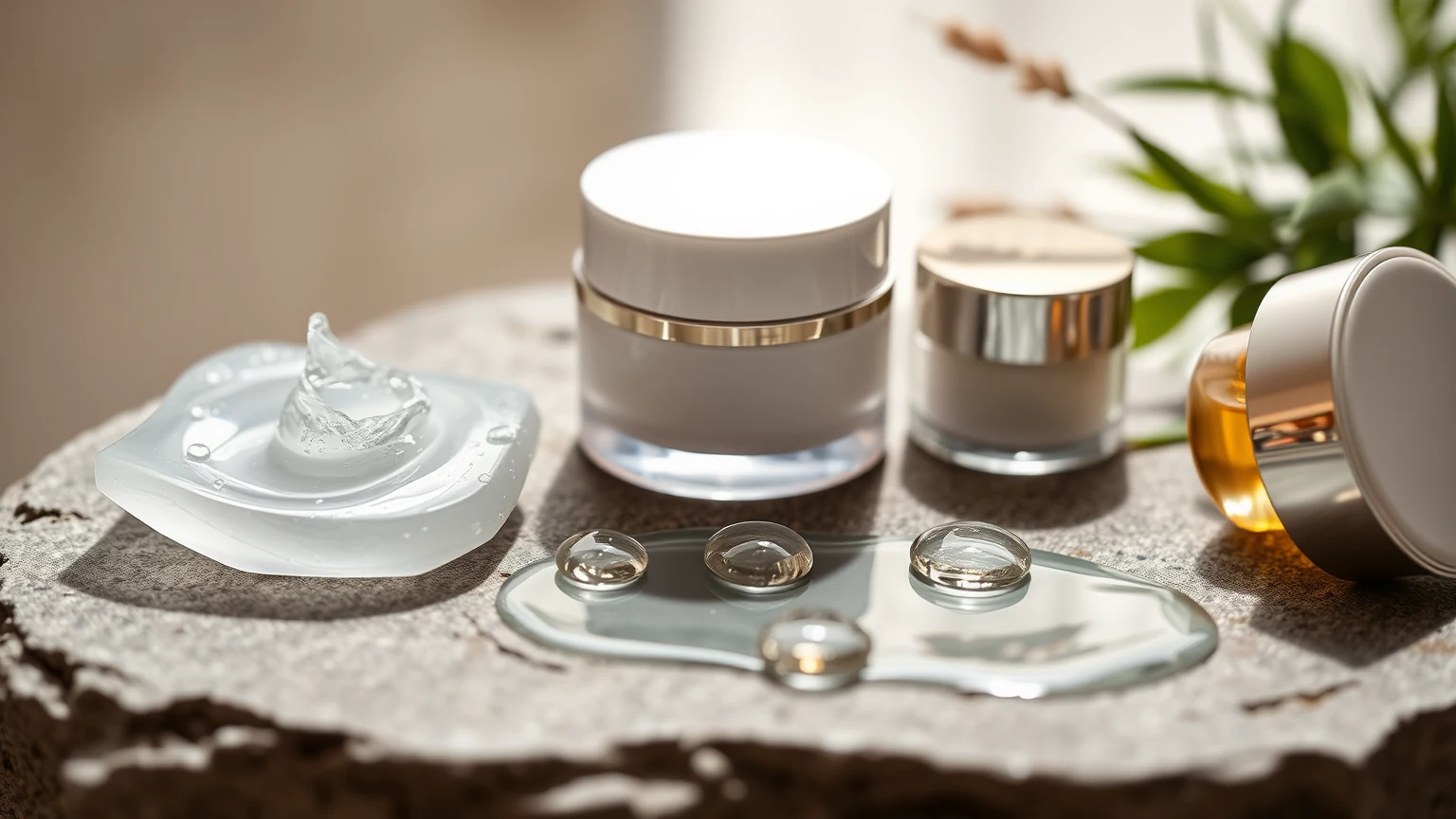
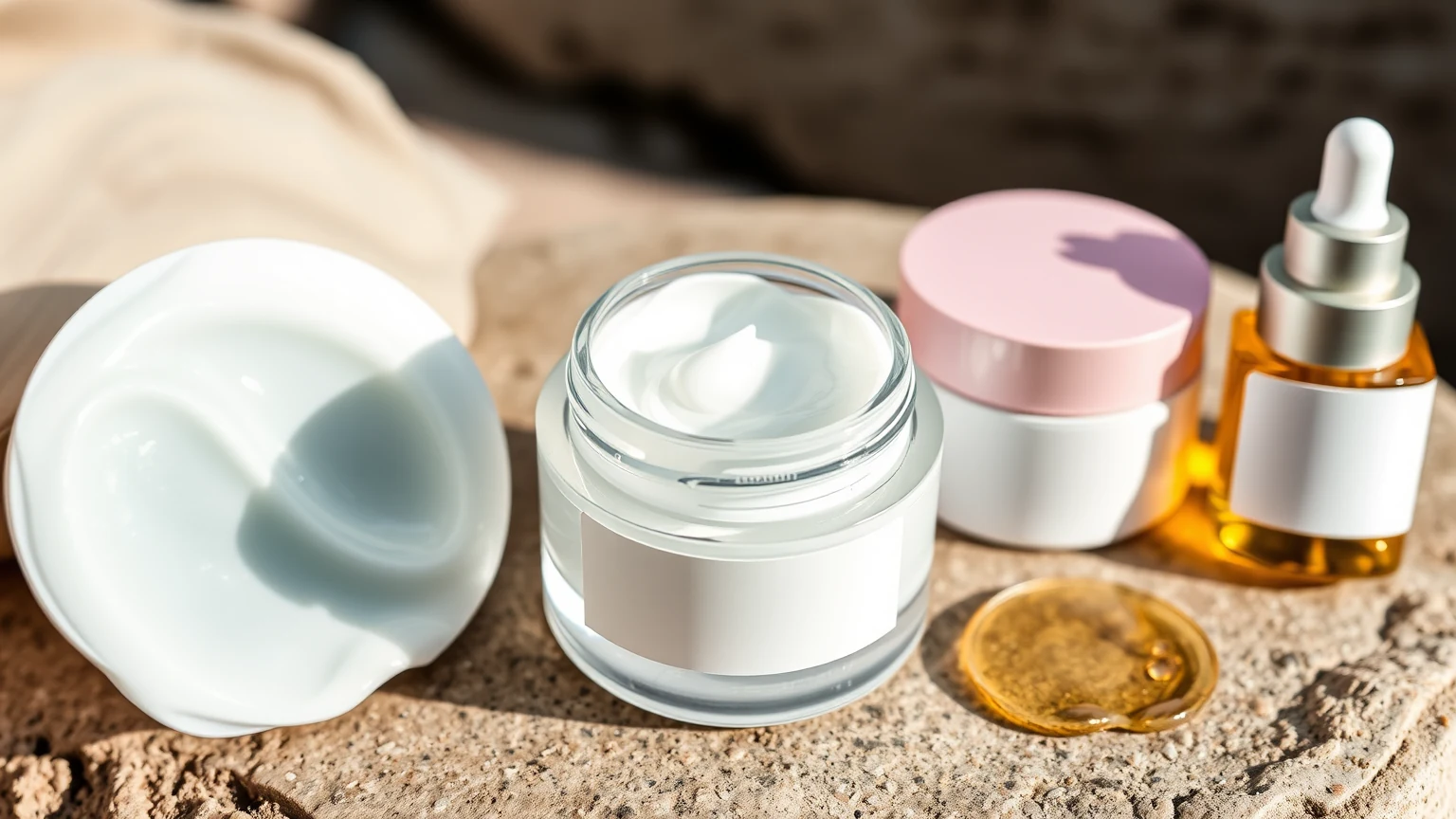
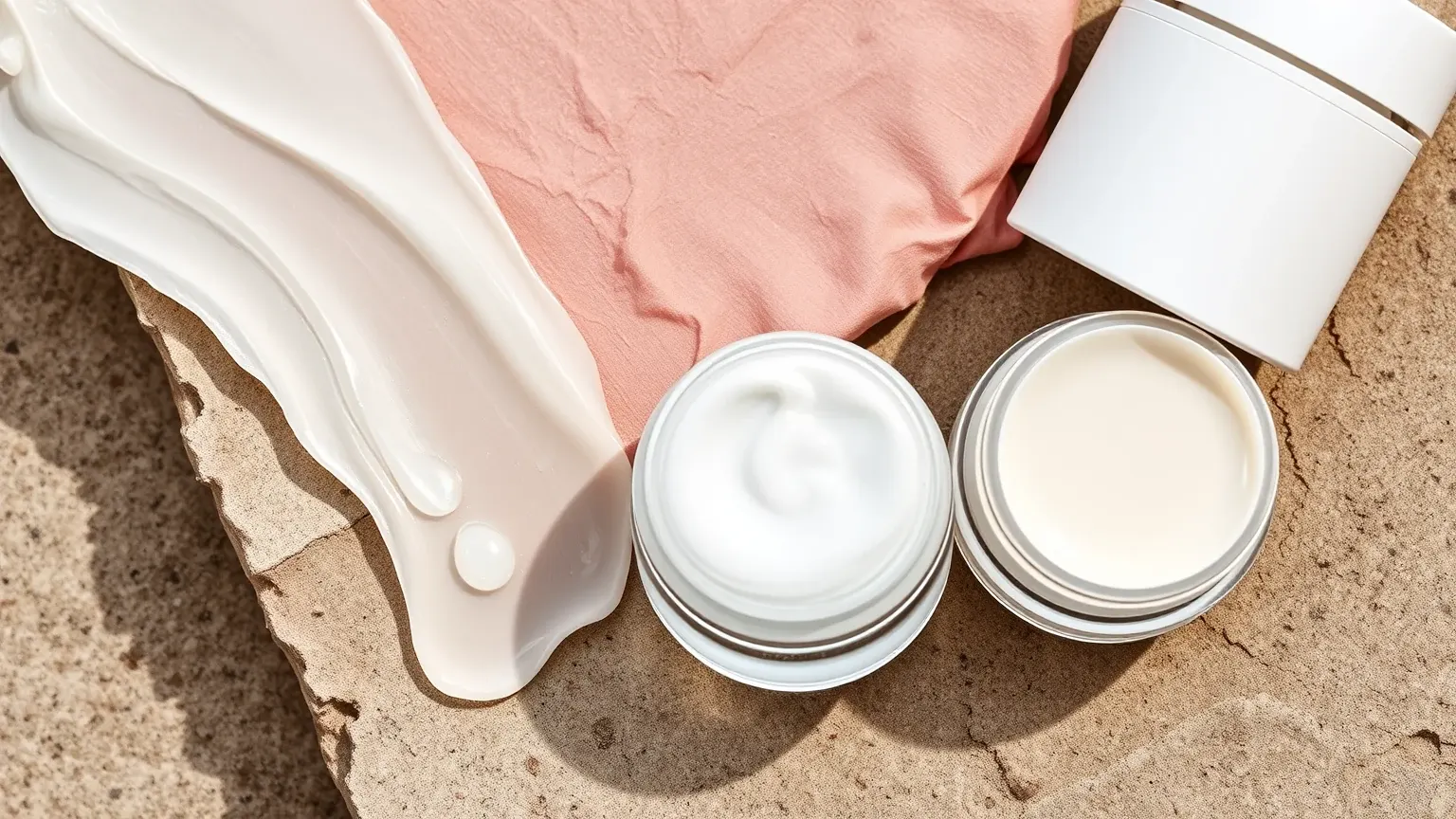
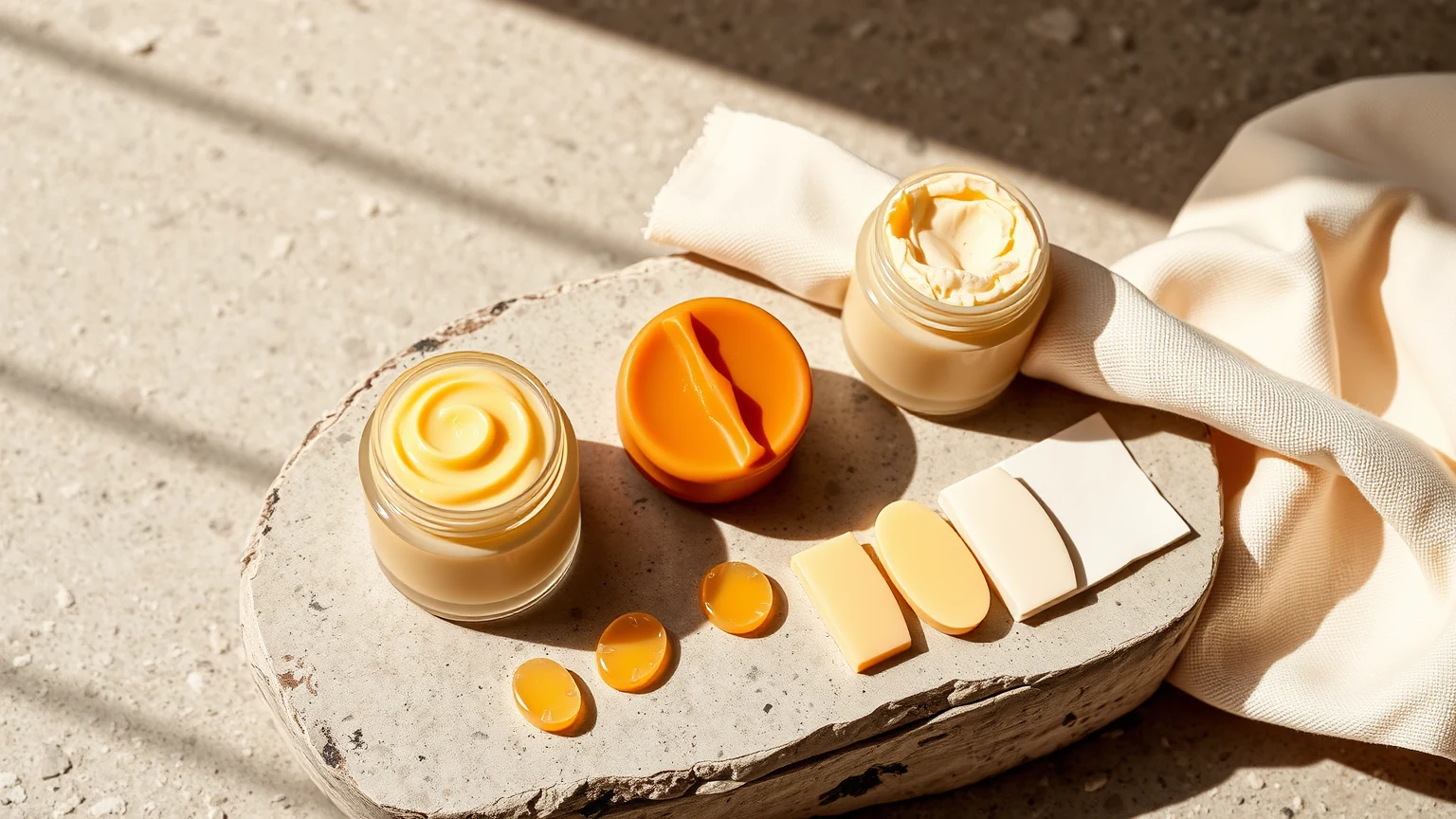
Observe firmness, melt, slip, cushion, drag, opacity, tack, residue, reflection, spread, and wearer preference using the eligible amount and tool. A balm may look glossy, matte, translucent, opaque, colored, or nearly invisible. Rich-feeling is a sensory description, not proof that a product belongs only on selected areas or at night.
Place It According to Directions and the Brief
A balm may be an opening cleanse, a leave-on layer, a lip color, a highlight, a hand step, a removal aid, or something else the exact product supports. It may sit first, last, between layers, alone, or outside the current routine. Do not assign local, slow, or final use without product-level information.
Test Relationships Between Exact Layers
When eligible, observe the balm with cleansing, leave-on care, sun protection, complexion, cheek, eye, lip, tools, hand care, and removal. Note movement, pilling, grip, diffusion, transfer, and reflection without inventing a mechanism. A pairing may work for one finish and not another, even when both products share familiar category language.
Compare Whole Products and Access
Compare intended area, directions, warnings, formula information, supported claims, texture, finish, packaging, price, size, availability, tools, removal, sources, and open questions. Consider grip, dexterity, sensory preference, climate context, and makeup design. One balm may fit, several may fit, or no balm may be needed.
Keep Placement Open and Evidence-Bounded
Record exact product, amount, tool, order, placement, light, setting, observations, and unanswered questions when useful. Then repeat, adjust an eligible variable, compare another formula, move it within a supported use, or stop. Coyglow reads balm at finished-product scale instead of turning rich texture into one universal comfort ritual.
About Coyglow Editorial Studio
The Coyglow Editorial Studio connects skin, makeup, nails, and everyday decision-making with clarity and restraint.