Published on March 22, 2024, by Coyglow Editorial Studio — 2 min read
Blush Begins With a Color Brief
Decide what the color should do inside the look: echo a lip, contrast an eye, continue a monochrome story, bring a vivid focal point, or create a translucent wash. Name hue, depth, undertone, opacity, saturation, and finish before deciding where it goes. Placement and shade work together; neither is automatically the more important choice.
Placement Is Composition, Not Face Correction
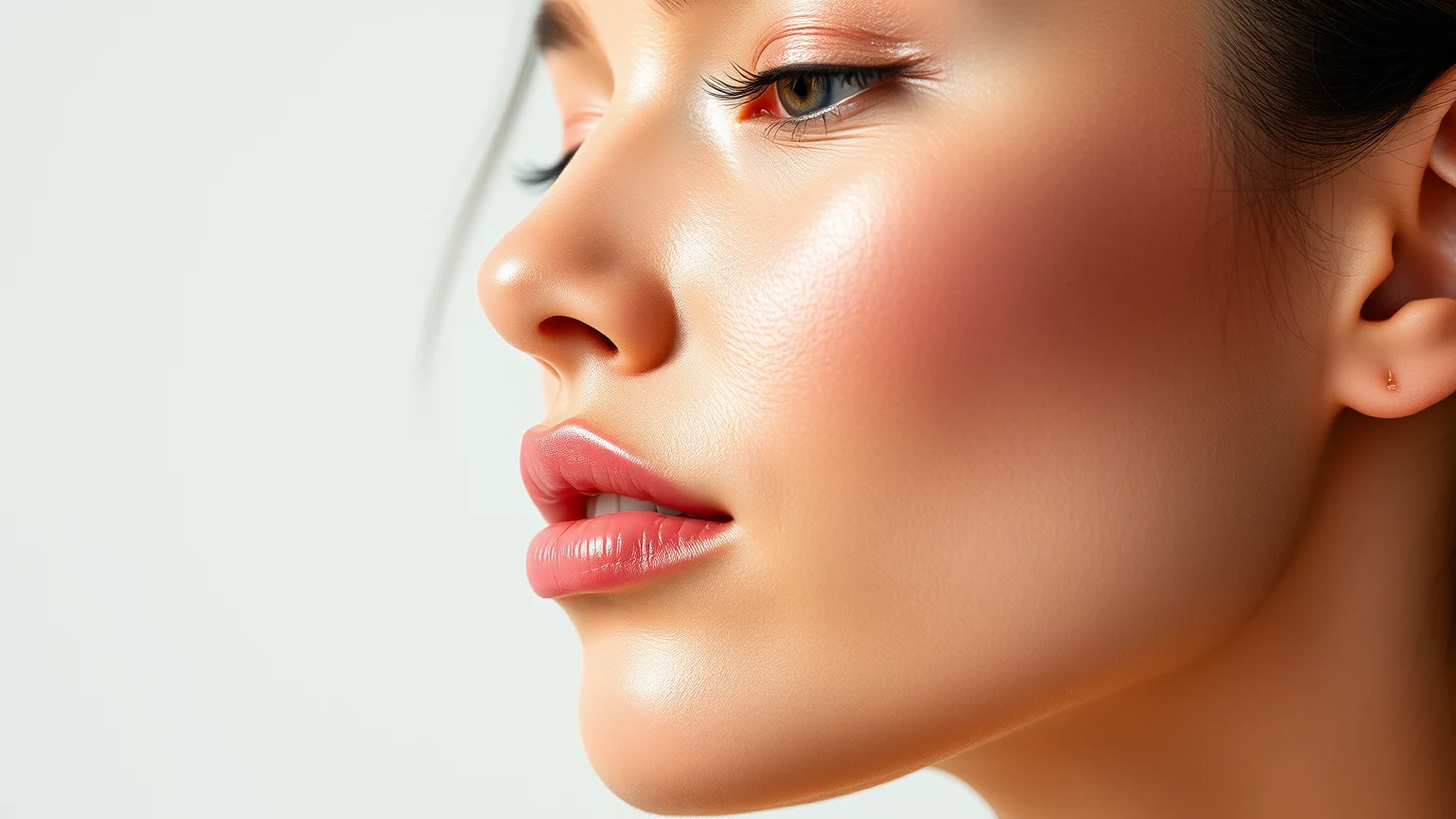
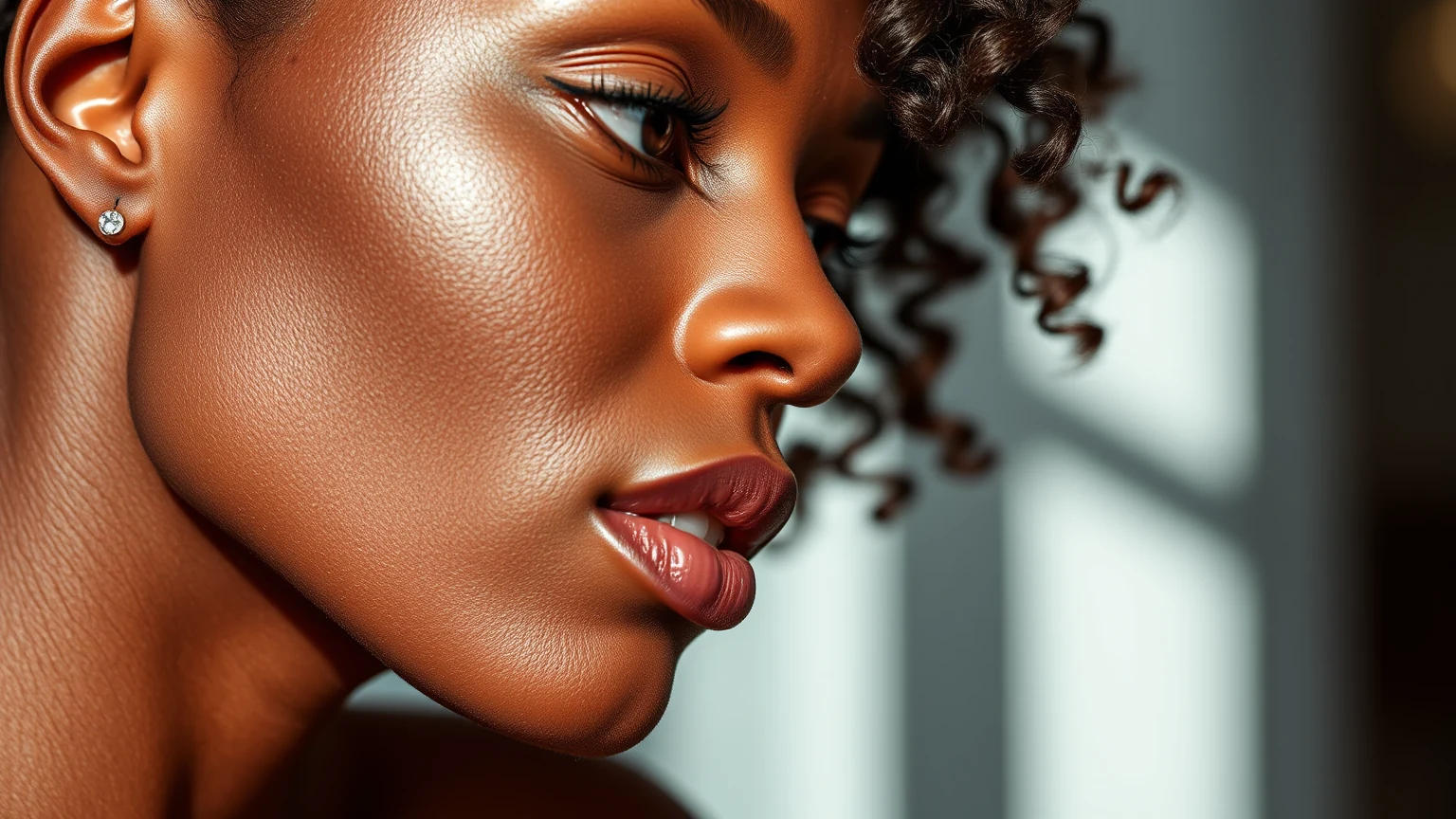
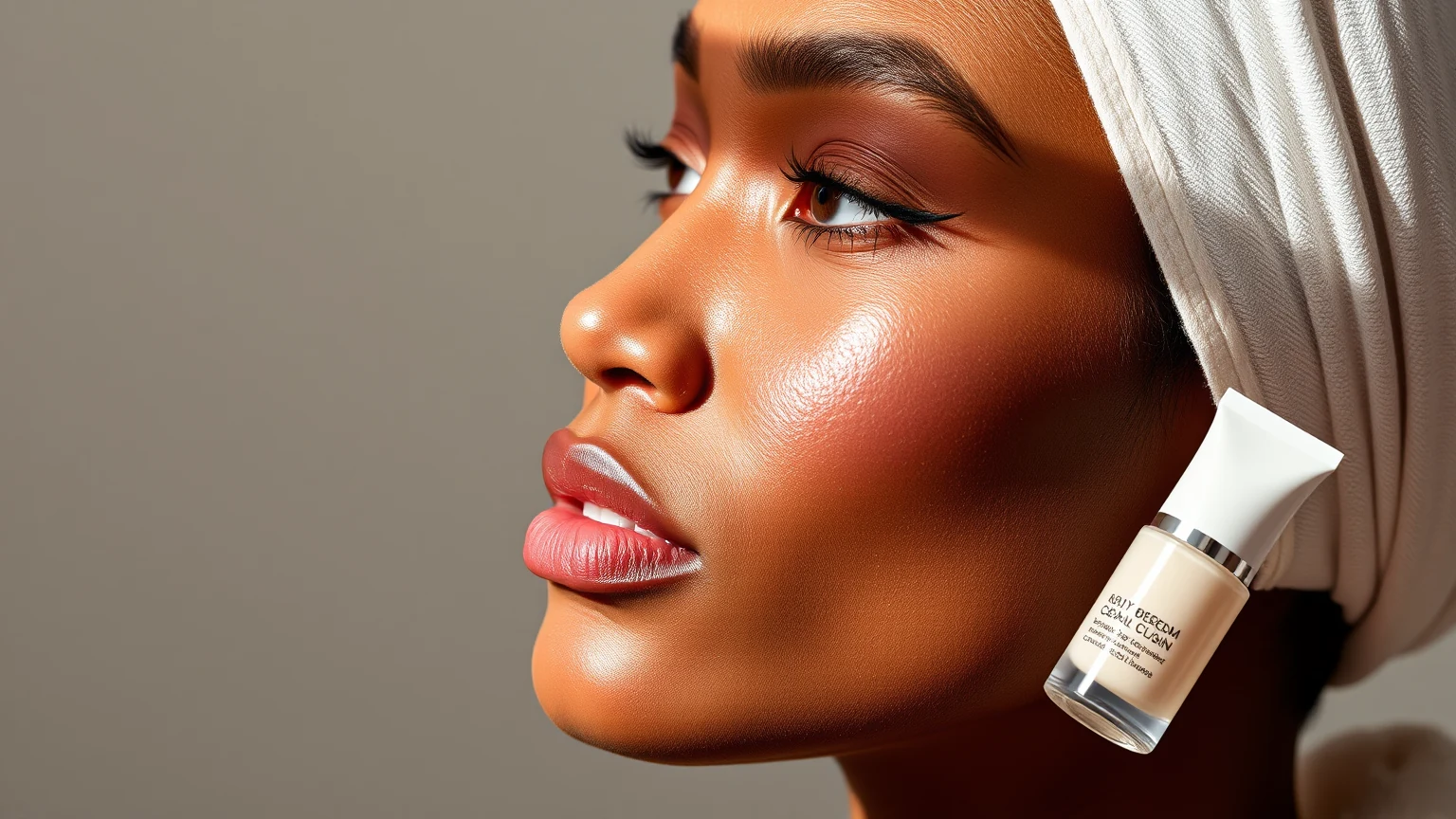
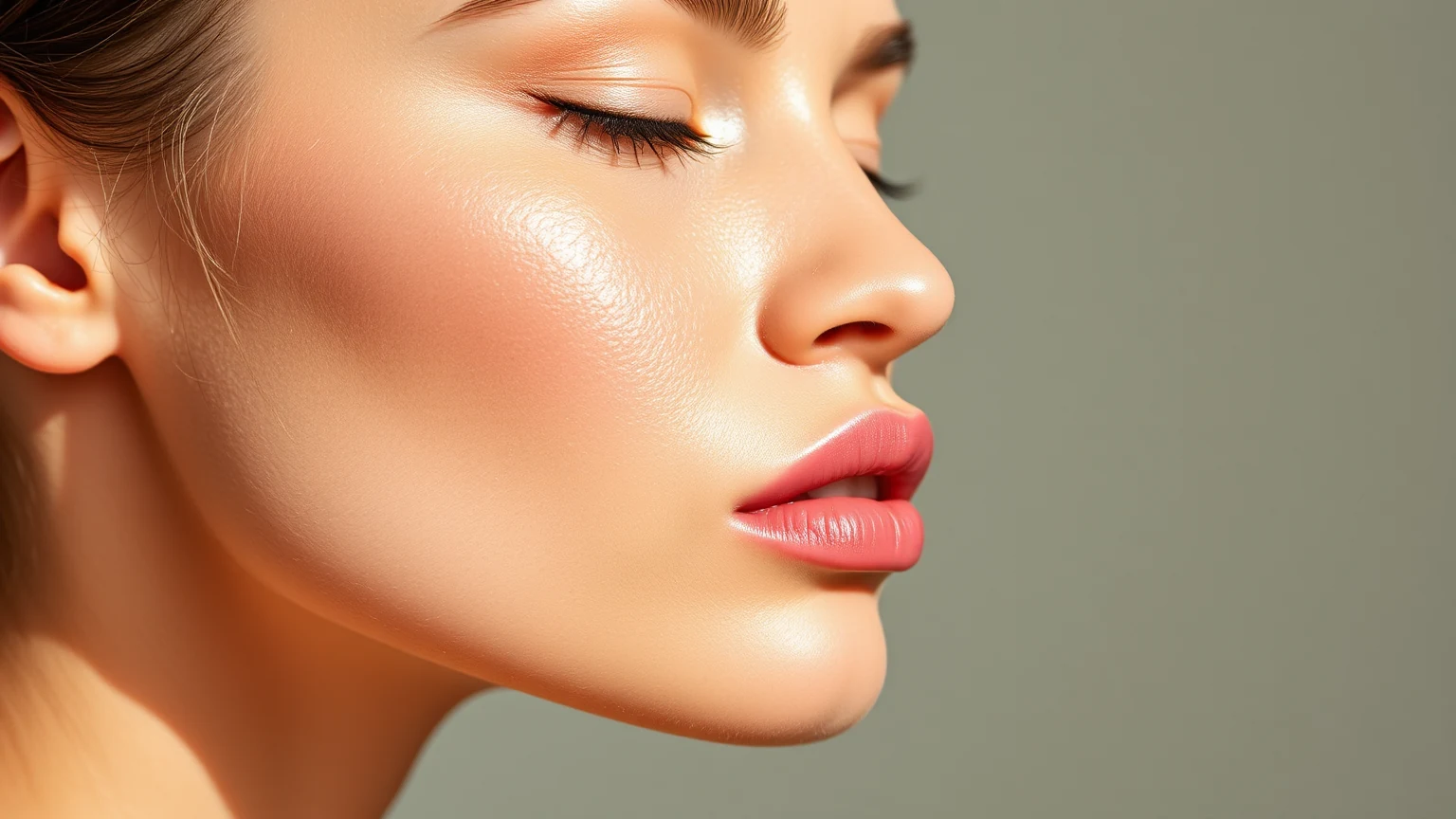
Cheeks, temples, the bridge area, lower cheek, and overlapping zones create different color relationships at normal viewing distance. Explore them as artistic positions rather than claims to lift, narrow, widen, warm, or repair a face. The wearer can favor symmetry, asymmetry, a centered bloom, a high sweep, a graphic edge, or any deliberate alternative.
Let Format Influence Technique Without Dictating Style
Cream, liquid, gel, balm, powder, stick, and stain-like formats may pick up, spread, build, set, and move differently in their exact formulas. Check current directions and use eligible tools. A category name does not establish diffusion, shine control, decisiveness, longevity, or a skin-like effect, so observe the actual product rather than assigning it a stock personality.
Build Color in the Light That Matters
Begin with an amount and method consistent with the label, then view the look in the light and distance relevant to the day. Add, blend, sharpen, layer, or leave the first placement intact according to the brief. Soft edges are one option, not the definition of modern blush; saturated color and visible makeup can be equally complete.
Read Blush With the Complete Look
Complexion coverage, natural skin variation, eye color, lip color, brows, hair, jewelry, clothing, and nail color all change the composition. Check how the blush relates rather than using another feature as a problem it must balance. A shade can remain beautiful when it stands apart, and a placement can be successful because it creates tension rather than harmony.
Save a Map You Can Reinterpret
Record the exact shade and format, tool, starting point, direction of movement, number of layers, edge, base underneath, light, and final combination. The map supports repetition without turning one face into a universal template. Coyglow uses blush education to widen creative control: more ways to place color, more ways to wear it visibly, and no single corrected face at the end.
About Coyglow Editorial Studio
The Coyglow Editorial Studio connects skin, makeup, nails, and everyday decision-making with clarity and restraint.