Published on October 8, 2024, by Coyglow Editorial Studio — 2 min read
Cheek Placement Is a Composition Choice
High, central, low, broad, narrow, swept, draped, diffused, precise, asymmetric, temple-led, under-eye, or multi-area color can each be intentional when the exact product allows it. Placement does not universally lift, crowd, slim, widen, correct, or flatter a face. Begin with the image the wearer wants to make.
Read Formula, Shade, Finish, and Edge Together
Record the exact cheek product, intended area, directions, warnings, shade, opacity, reflection, texture, applicator, and removal. Cream, liquid, powder, stain, balm, and stick names do not predict slip or wear by themselves. Test eligible amount and edge under the light that matters rather than assigning one best placement to a format.
Use Relevant Light Without Making It a Moral Test
Daylight, warm interior light, cool light, flash, video, stage light, and phone processing can change color and contrast. Natural light is useful when it matches the destination or comparison, not because it reveals a truer face. Name the condition, viewing distance, and camera settings before using the image to move placement.
Compose Cheek With the Full Color Story
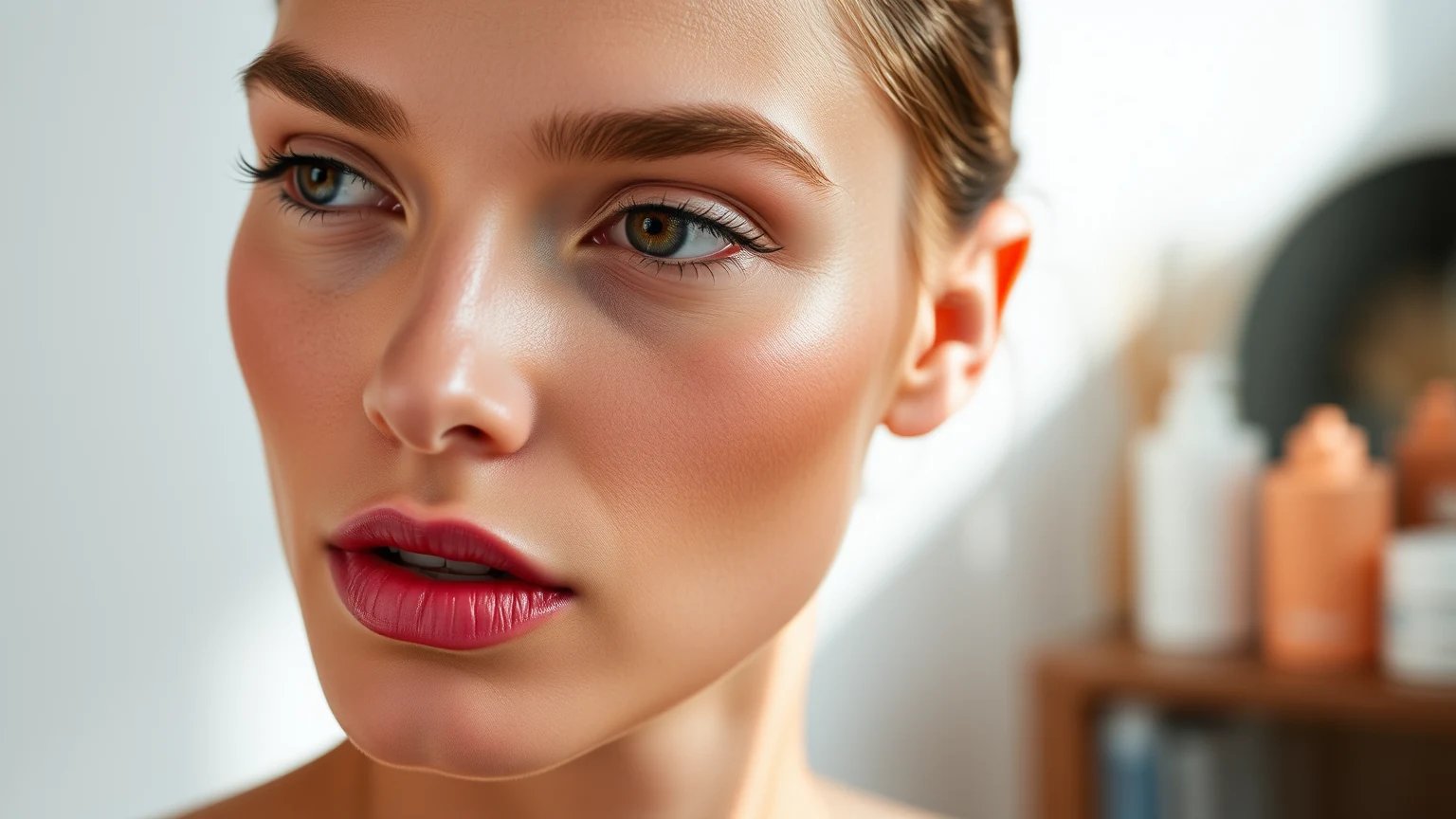
Complexion finish, eye, brow, lip, hair, clothing, jewelry, and nails can repeat or oppose cheek color. A high placement may lead one look while central color leads another. Skin tint and lip tint are optional neighbors, not required balancing tools. Choose saturation, edge, reflection, and contrast across the whole frame.
Observe Movement, Wear, and Access
Check expression, head angle, photography, transfer, fading, edge change, tool or mirror access, touch-ups, sensory preference, and removal over the relevant period. These observations describe the tested product and placement. They do not establish that every high placement lifts or that every diffused placement looks softer.
Keep the Placement That Serves This Look
Repeat, move, expand, narrow, sharpen, diffuse, layer an eligible shade, change surrounding color, or omit cheek color. Save exact product, amount, tool, light, and placement map when useful. Success is not a corrected face or one natural result; it is a color relationship the wearer can recognize as intentional.
About Coyglow Editorial Studio
The Coyglow Editorial Studio connects skin, makeup, nails, and everyday decision-making with clarity and restraint.