Published on December 2, 2024, by Coyglow Editorial Studio — 2 min read
An Ingredient Name Is Not the Finished Experience
Glycerin can appear in products with different complete formulas, amounts, textures, packages, intended areas, directions, and claims. Its presence does not by itself establish hydration, comfort, tack, compatibility, climate fit, quality, or a result. Begin with the exact product and leave unsupported ingredient mythology outside the decision.
Read the Information Supplied for the Product
Check the full ingredient list, intended area, directions, warnings, supported claims, package, storage, amount, order, current condition, and removal. If formula amount or function matters and is not supplied, ask the maker rather than guessing from ingredient order. Water, oil, humectant, and seal are not universal jobs that every routine must fill.
Keep Texture and Sensation Observable
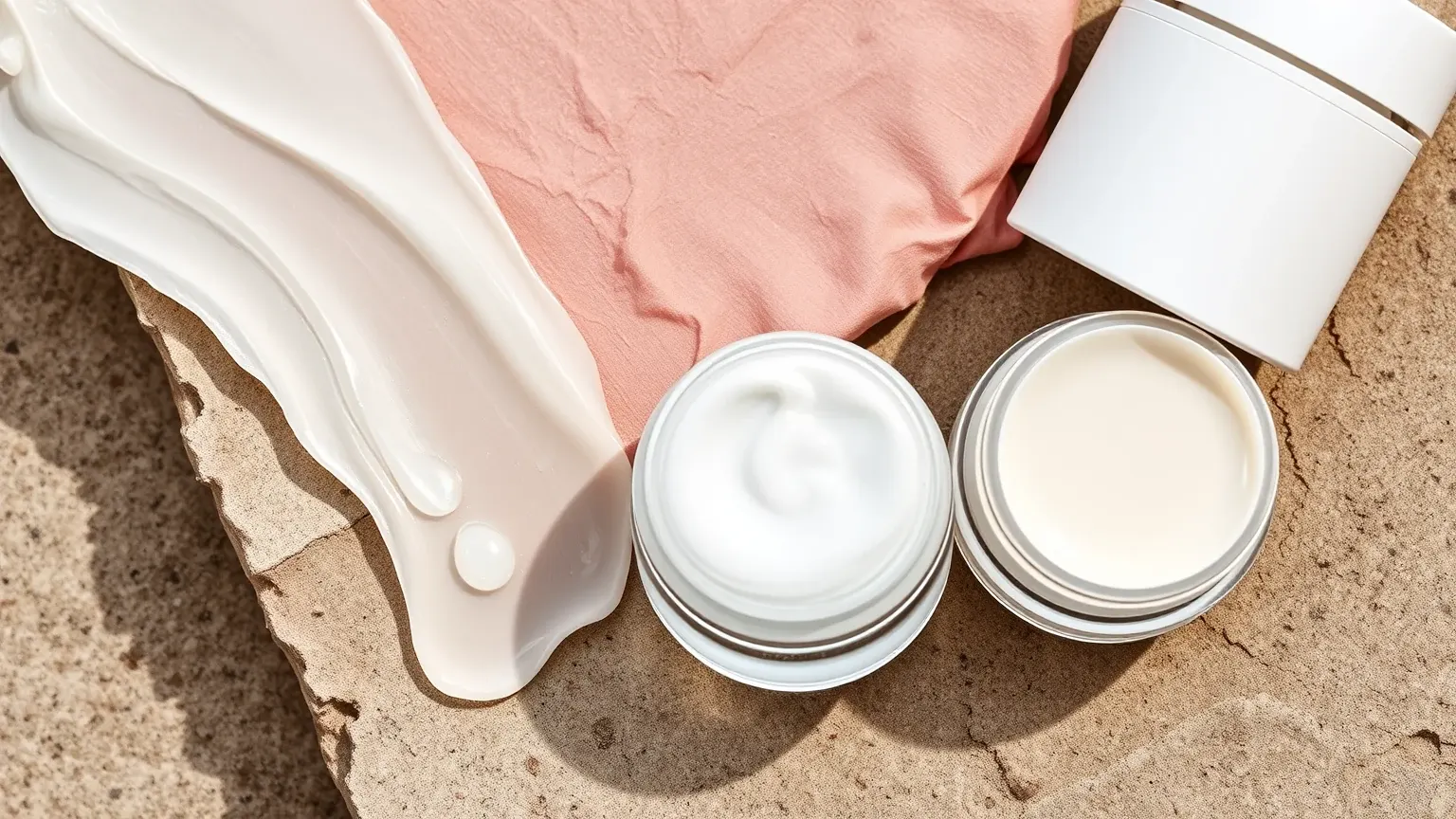
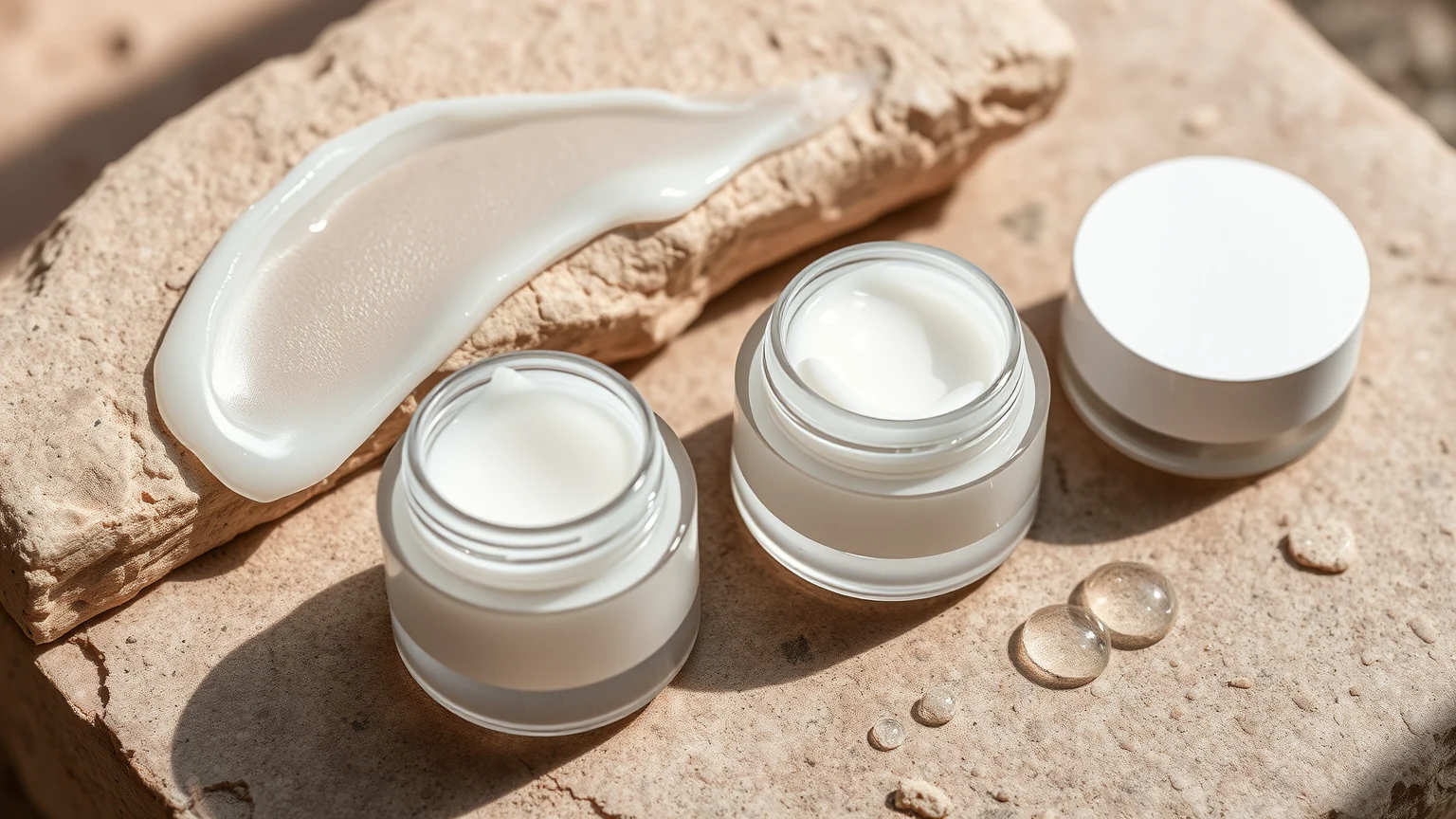
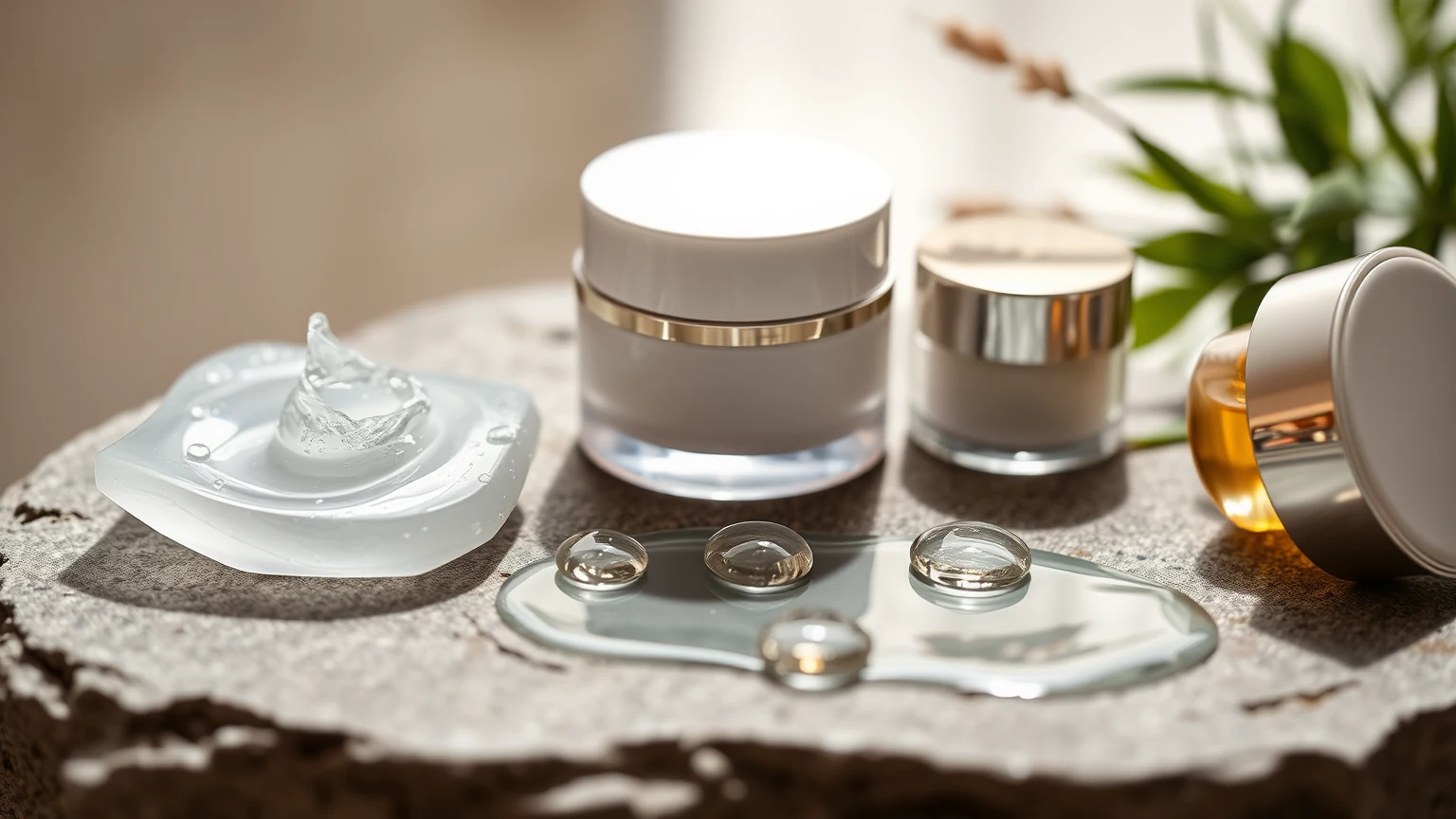
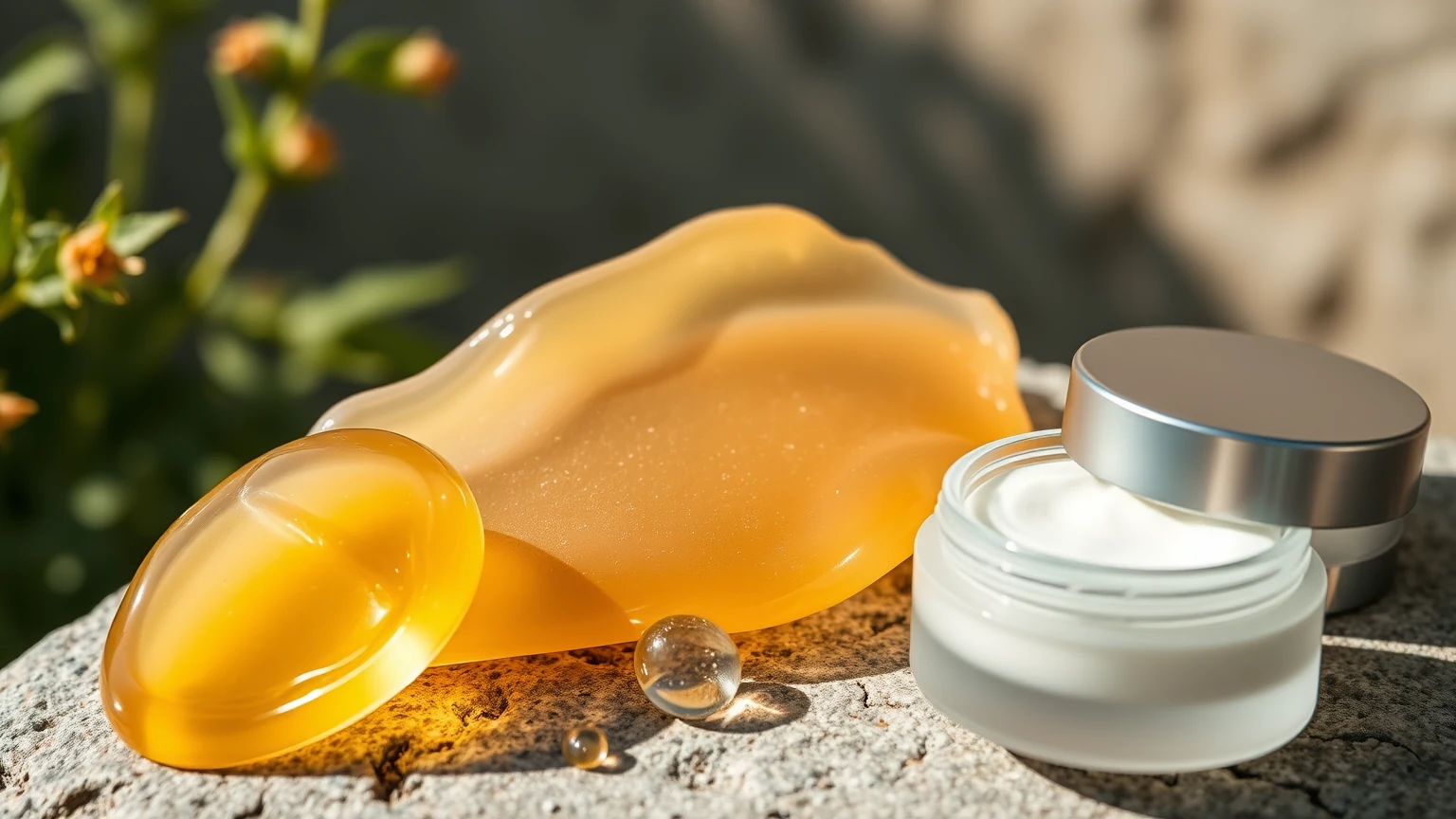
A product may feel fluid, cushiony, sticky, silky, rich, light, glossy, matte, or different as it meets another layer. Record the exact formula, amount, setting, timing, and wearer observation. Sensation can guide preference and a product question without proving a mechanism, a hidden deficiency, or what the skin universally needs.
Place It in the Whole Beauty Sequence
Cleanser, moisturizer, sunscreen, primer, complexion, powder, cheek, eye, lip, hand, nail, tools, and removal can all shape the day around a glycerin-containing product. Follow each relevant direction and supplied compatibility statement. Makeup texture is an observation of the complete sequence, not standalone evidence about skin from one ingredient.
Compare Complete Products, Not Ingredient Headlines
When comparison is useful, note identity, amount, order, application, setting, light, visible texture, reflection, movement, transfer, sensation, cleanup, and removal. Change only what the relevant directions allow. A difference between two products cannot automatically be credited to glycerin, another shared ingredient, or the absence of a fashionable companion step.
Let the Choice Stay Open
Continue within directions, choose another texture or finish, compare a different complete formula, adjust an eligible amount or sequence, ask the maker, make no change, or leave glycerin out. Ingredient literacy should make questions more precise and choices more generous. It should not turn one familiar name into a mandatory layer or a promise.
About Coyglow Editorial Studio
The Coyglow Editorial Studio connects skin, makeup, nails, and everyday decision-making with clarity and restraint.