Published on November 27, 2023, by Coyglow Editorial Studio — 2 min read
An Ingredient Name Is Not a Finished Product
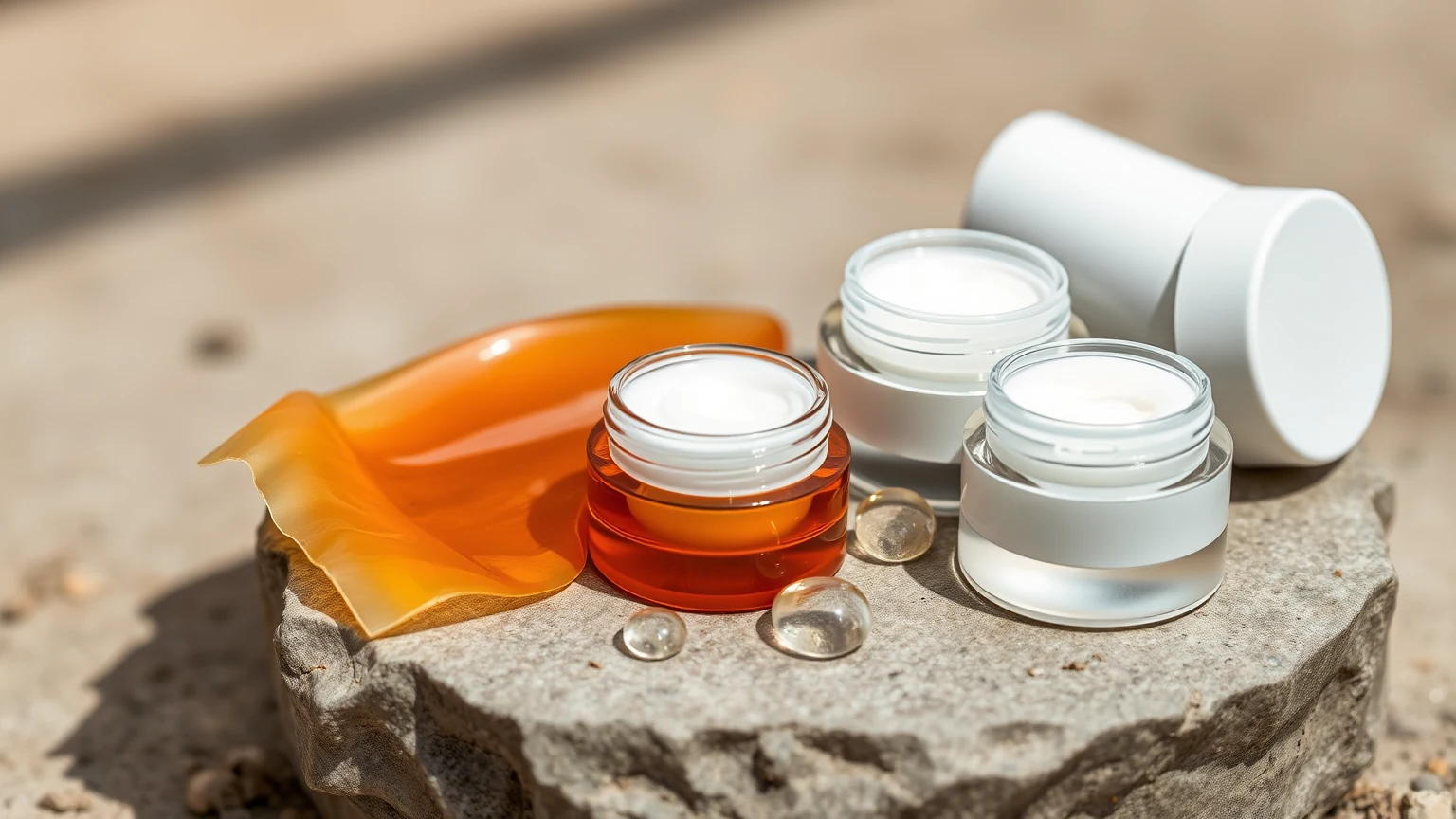
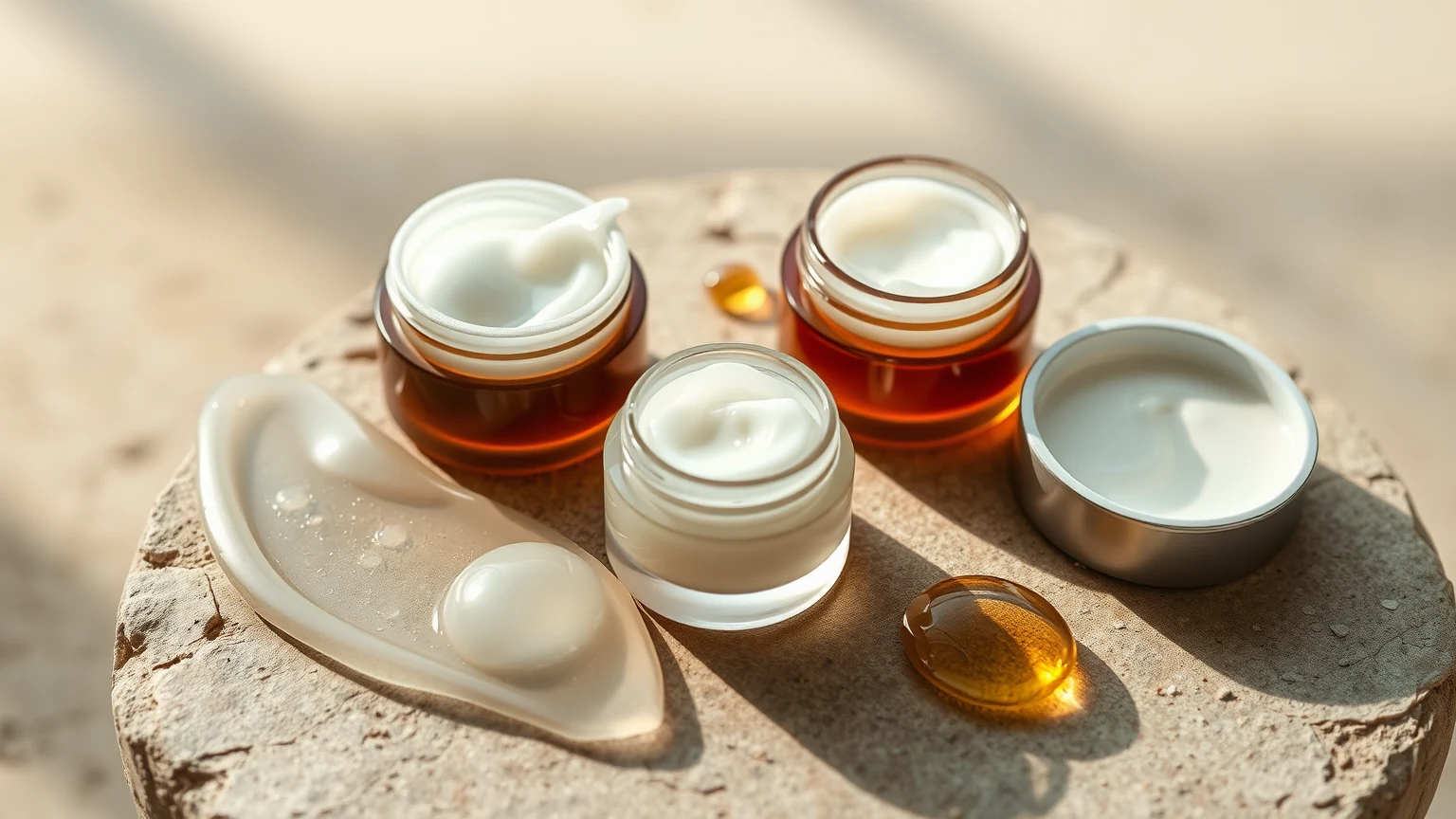
Hyaluronic acid may appear in serums, creams, mists, color products, and other formats, alongside different ingredients, amounts, directions, claims, and textures. The familiar name does not establish where every formula belongs or what another layer must do. Begin with the exact current product record and let the finished item—not the ingredient headline—define the beauty decision.
Read the Claim at Its Actual Scope
Keep every statement attached to the exact product, wording, market, and supporting record. Do not expand a general ingredient description into a promise about plumpness, tightness, molecular size, environmental conditions, or the need to seal the product. Scientific-sounding vocabulary can still outrun the evidence. Coyglow would rather leave a mechanism unstated than use it to prescribe an automatic second purchase.
Follow Product-Specific Directions
Confirm amount, placement, order, frequency, damp or dry application where stated, warnings, storage, and what should follow. Do not assign every hyaluronic-acid product to the same early routine slot or borrow instructions from another format. When the record is incomplete or two directions conflict, keep the sequence unresolved and seek the appropriate source instead of inventing a universal layering rule.
Describe Texture and Finish Precisely
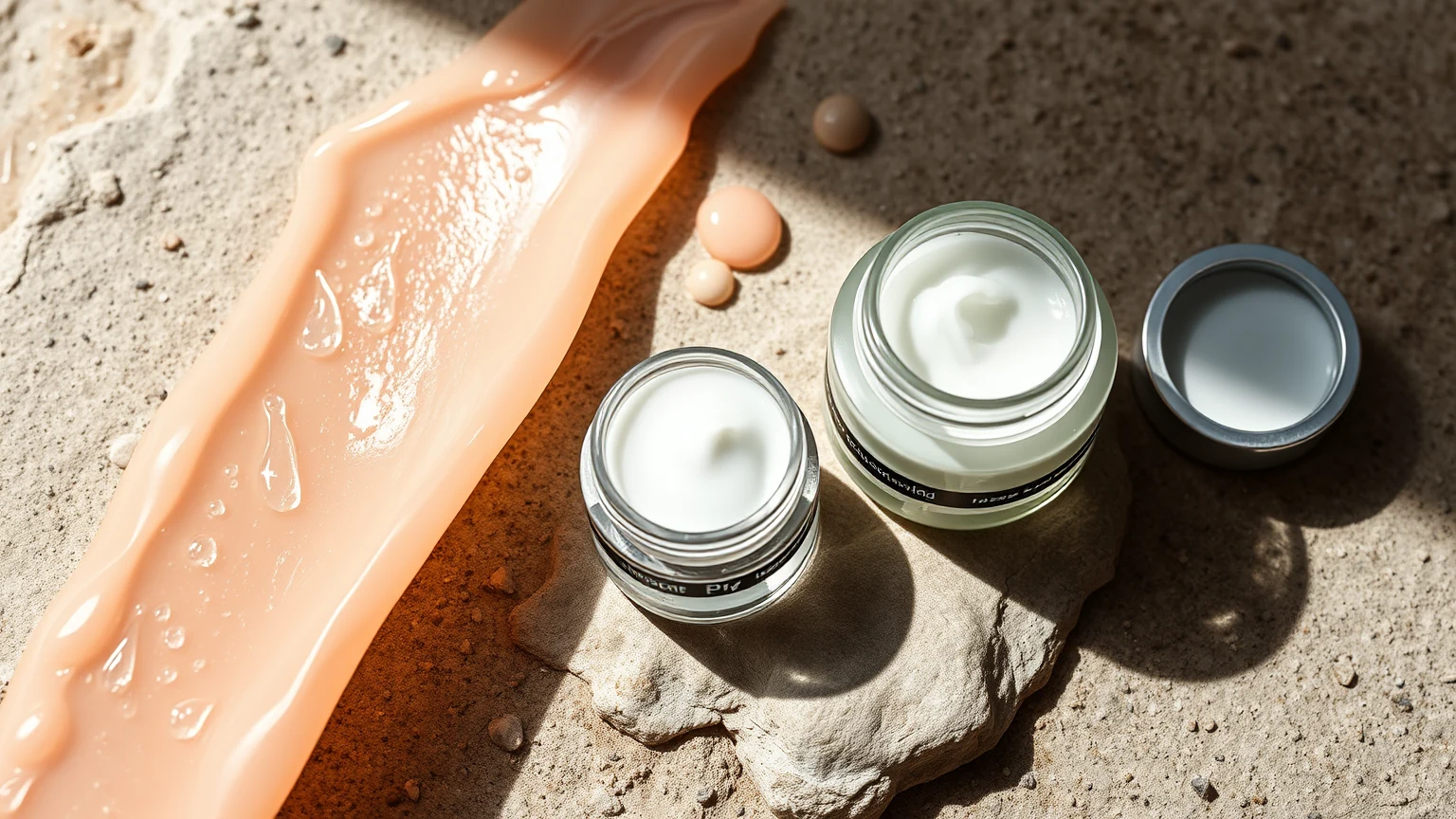
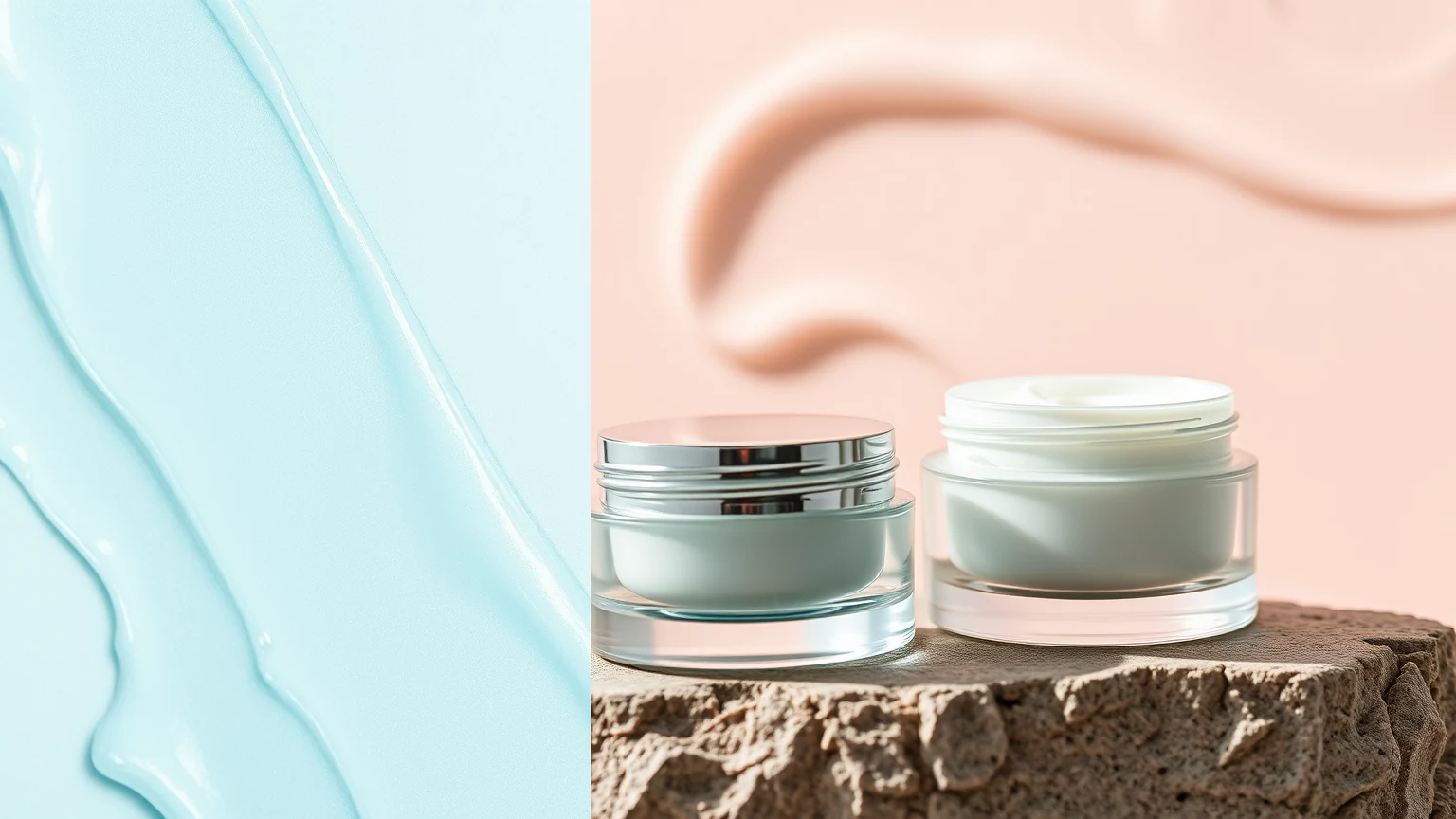
Observe spread, slip, cushion, tack, residue, visible reflection, fragrance when present, and the interval before the next directed step feels workable. These details can help compare formulas without pretending that a sensory response measures a hidden skin event. “Light,” “rich,” “sticky,” and “smooth” become useful when they describe the experience and setting rather than stand in for an outcome claim.
Include the Makeup Handoff
When complexion products follow, observe how the documented amount and sequence meet the intended makeup finish. Rolling, movement, shine, or a changed surface are comparison notes, not proof about one ingredient. Keep product, tool, amount, order, and environment visible before changing an optional variable. A formula can be pleasant in one routine moment and impractical in another without becoming universally good or bad.
Choose the Formula for the Role
Define the open role, verify the exact information, compare format and sensory finish, check the directions against the surrounding routine, and decide whether the product adds something wanted. The answer may be one product, another format, an existing item, or no new layer. Coyglow uses ingredient literacy to make the shelf more intelligible—not to turn a recognized name into a compulsory ritual.
About Coyglow Editorial Studio
The Coyglow Editorial Studio connects skin, makeup, nails, and everyday decision-making with clarity and restraint.