Published on April 1, 2024, by Coyglow Editorial Studio — 2 min read
Start With the Exact Words and Their Source
Hydration, moisture, moisturizing, water, oil, humectant, emollient, and occlusive may appear in ingredient background, product claims, directions, reviews, or casual beauty language. They are not interchangeable, but they are also not a complete formula map. Identify who is making the statement, about which exact product, with what support and limits.
Read the Finished Formula Before Assigning Jobs
Check the full ingredient record available, format, eligible claims, directions, warnings, package, storage, intended area, and any dated retained source. Do not infer that one ingredient always attracts water, another always seals it, or that every product needs a companion layer. Ingredient-family background cannot silently become a promise for the item in hand.
Describe Texture and Finish Without Guessing Mechanism
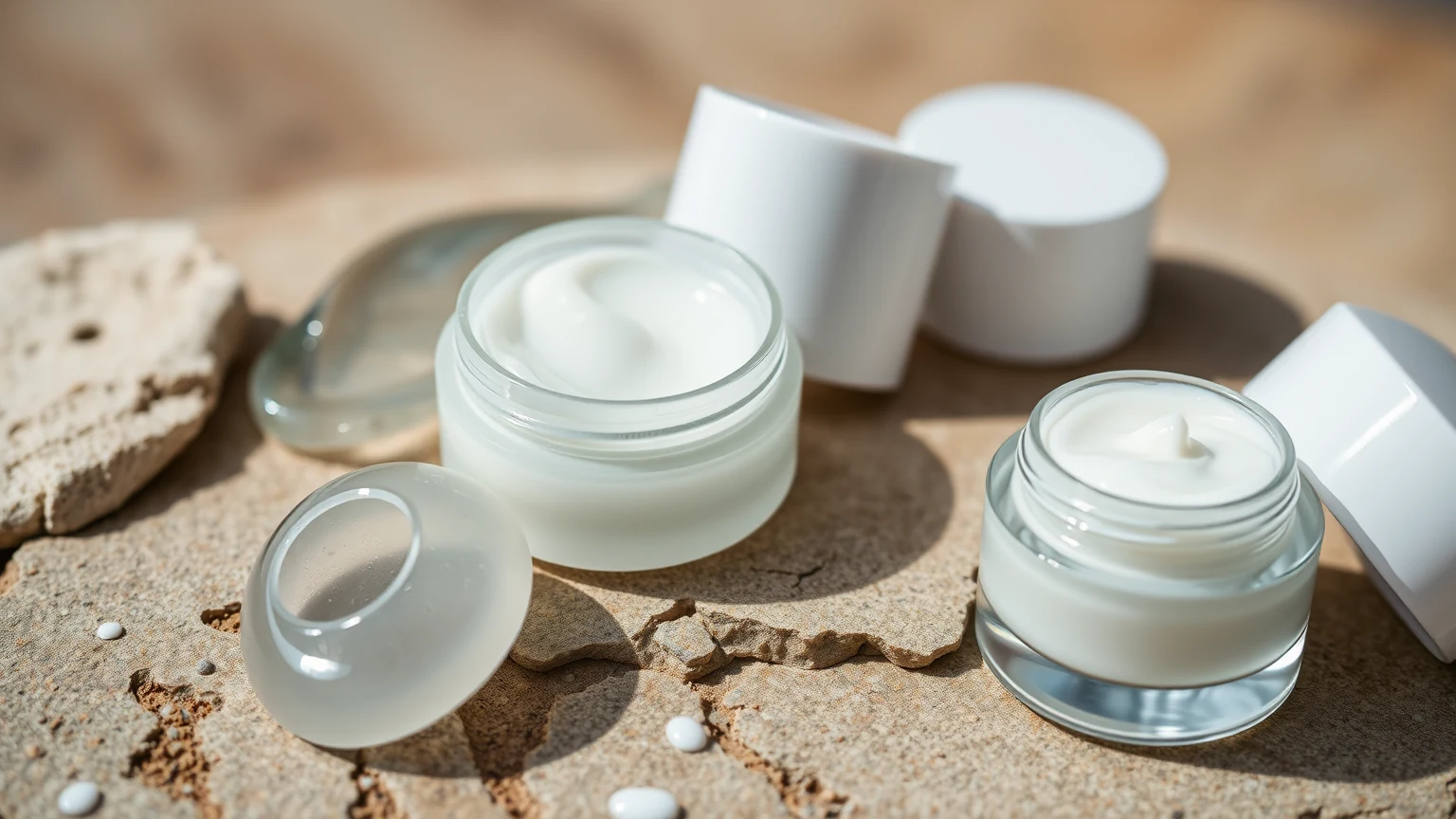
Observe pickup, spread, slip, cushion, absorption feel, tack, shine, film, color, scent when relevant, and how the exact product sits alone. Sensory and visible details can help compare formats, but they do not prove where water moved, what the skin lacks, or why a surface looks a certain way. Keep experience and mechanism separate.
Place the Product in the Complete Beauty Context
Follow directions, then observe it with cleanser, sun protection, complexion makeup, color products, and removal in the setting that matters. Pilling, movement, reflection, and visible texture describe a combination; they do not identify dehydration or prove that climate chose the correct amount. Adjust the composition only from exact guidance and the wearer’s stated preference.
Compare Claims on Equal Ground
For each option, record the exact claim wording, formula information available, directions, format, package, size, price, sensory finish, makeup interaction, and unresolved questions. A richer texture is not automatically more moisturizing, and a watery texture is not automatically more hydrating. If comparable evidence is absent, leave the ranking open rather than importing certainty from texture.
Choose the Role, an Alternative, or No Purchase
The answer may be one documented product, separate eligible products with distinct roles, the current shelf, a different texture, or no new step. Save the exact context and observation for future comparison. Coyglow makes hydration and moisture language useful by returning it to finished products instead of turning two broad words into a universal routine formula.
About Coyglow Editorial Studio
The Coyglow Editorial Studio connects skin, makeup, nails, and everyday decision-making with clarity and restraint.