Published on August 26, 2026, by Coyglow Editorial Studio — 1 min read
Begin With The Shelf You Own
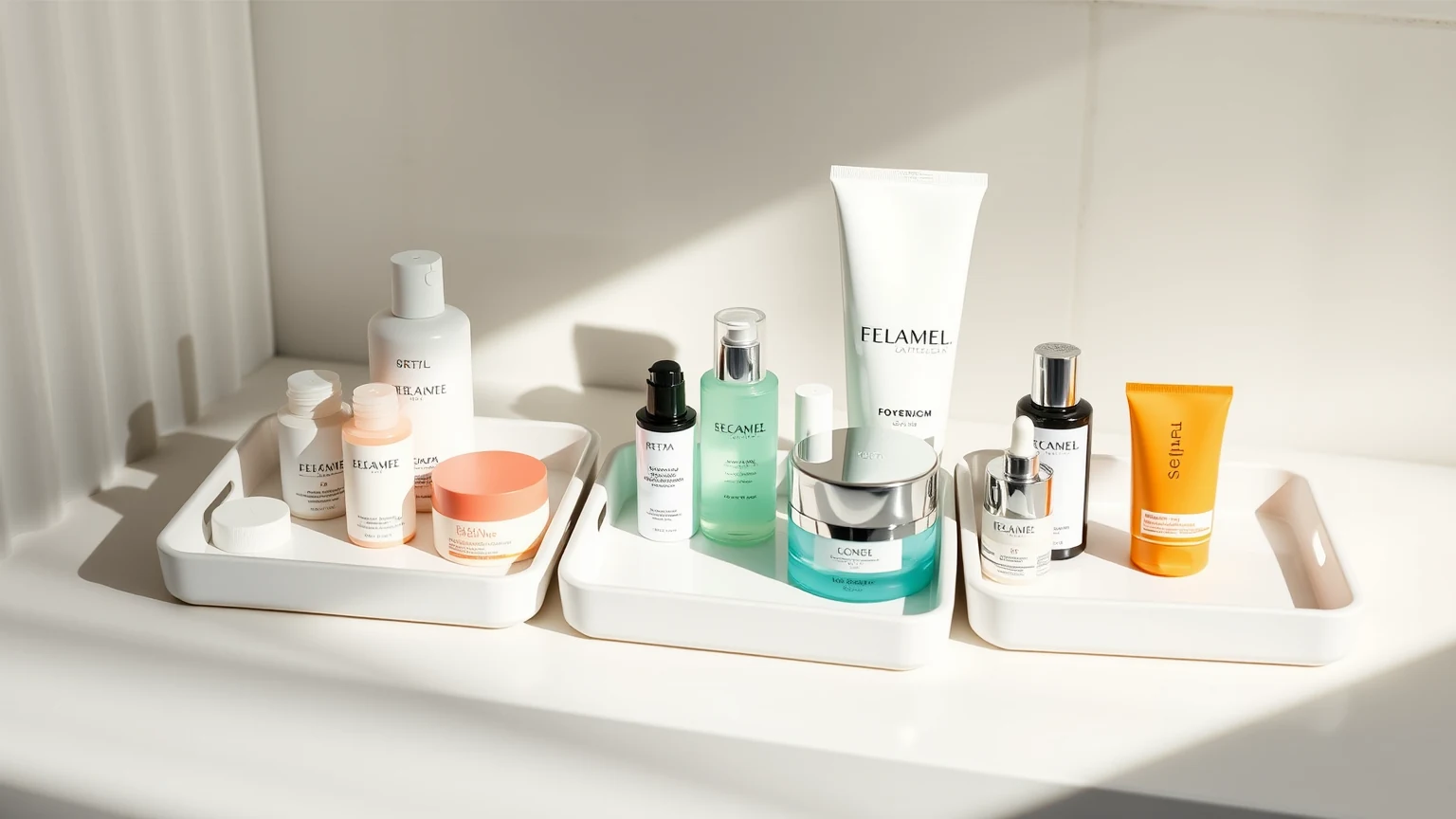
Take everything out and group products by the job they have in your real routine. This turns a row of packaging into a set of choices: cleanser, final skin layer, base color, lip color, nail color, tool. Products with no current role can sit apart without being judged or immediately replaced.
Keep What Makes The Routine Legible
A keeper is not necessarily a favorite or a hero product. It is an item you understand, can use as directed, and still want for a clear role. Put it back where that role happens. The shelf becomes calmer when placement follows use rather than package height, color, or the order in which products arrived.
Pause With A Purpose
Pause items that need a label check, a better storage place, a missing cap, a decision about the role, or simply time away. Add a small note with the question and a review date. A pause should reduce background noise; it should not become a second shelf of indefinite intentions.
Replace The Role, Not The Object
When something leaves, ask whether its job still needs to be filled. Sometimes the answer is another product; sometimes another owned item already covers it; sometimes the routine is better without the role. This is where a shelf edit becomes an act of taste rather than a disguised shopping exercise.
The Coyglow Edit
A beautiful shelf is readable. Its products have jobs, its pauses have reasons, and its empty spaces are allowed to remain empty. Revisit the edit when the routine changes—not because a month, trend, or photograph tells you that the shelf should look new.
About Coyglow Editorial Studio
Coyglow Editorial Studio writes beauty guidance across skin, makeup, nails, routine design, product literacy, creator culture, and community commerce.