Published on December 25, 2023, by Coyglow Editorial Studio — 2 min read
Temperature Is a Relationship
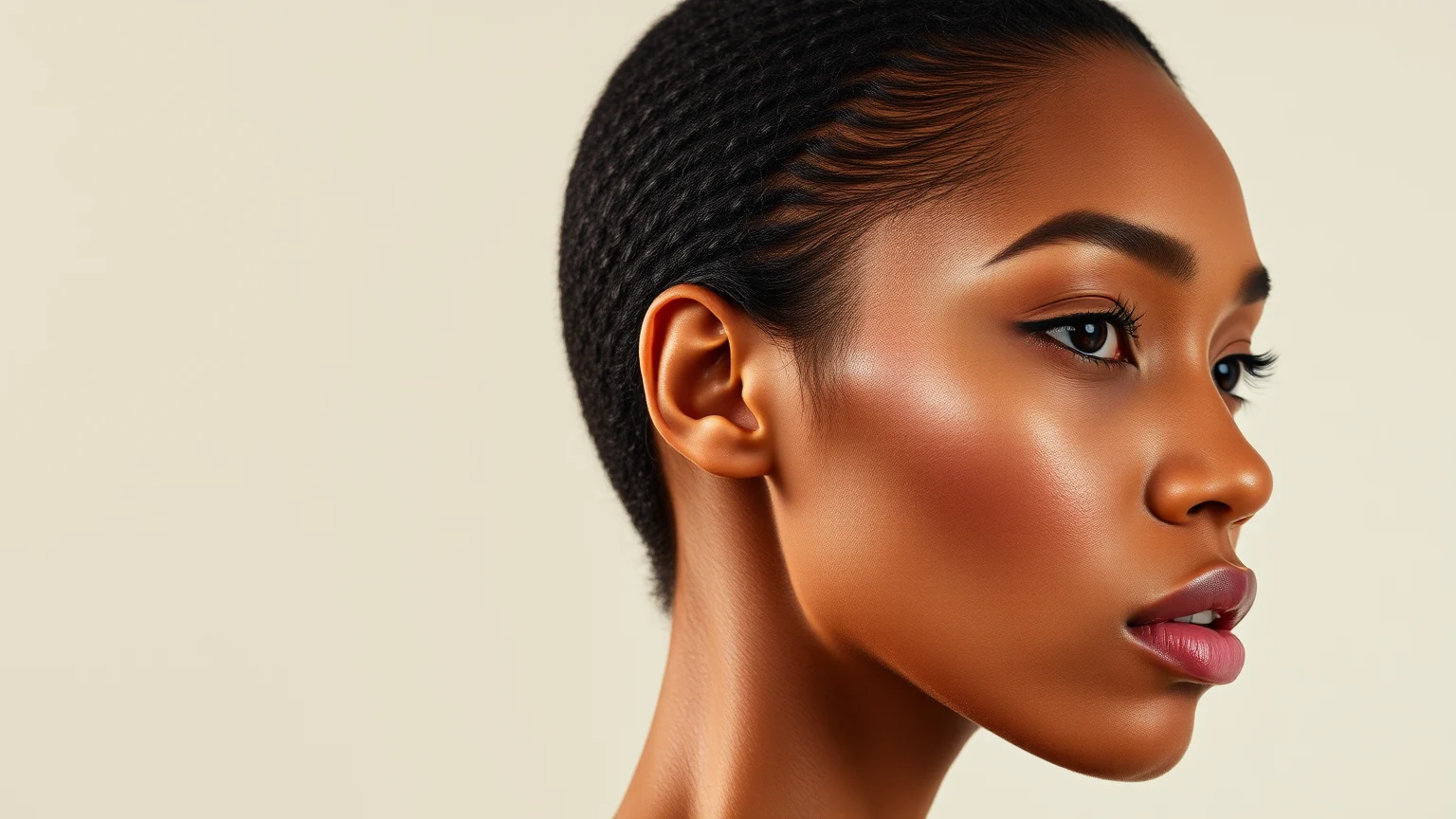
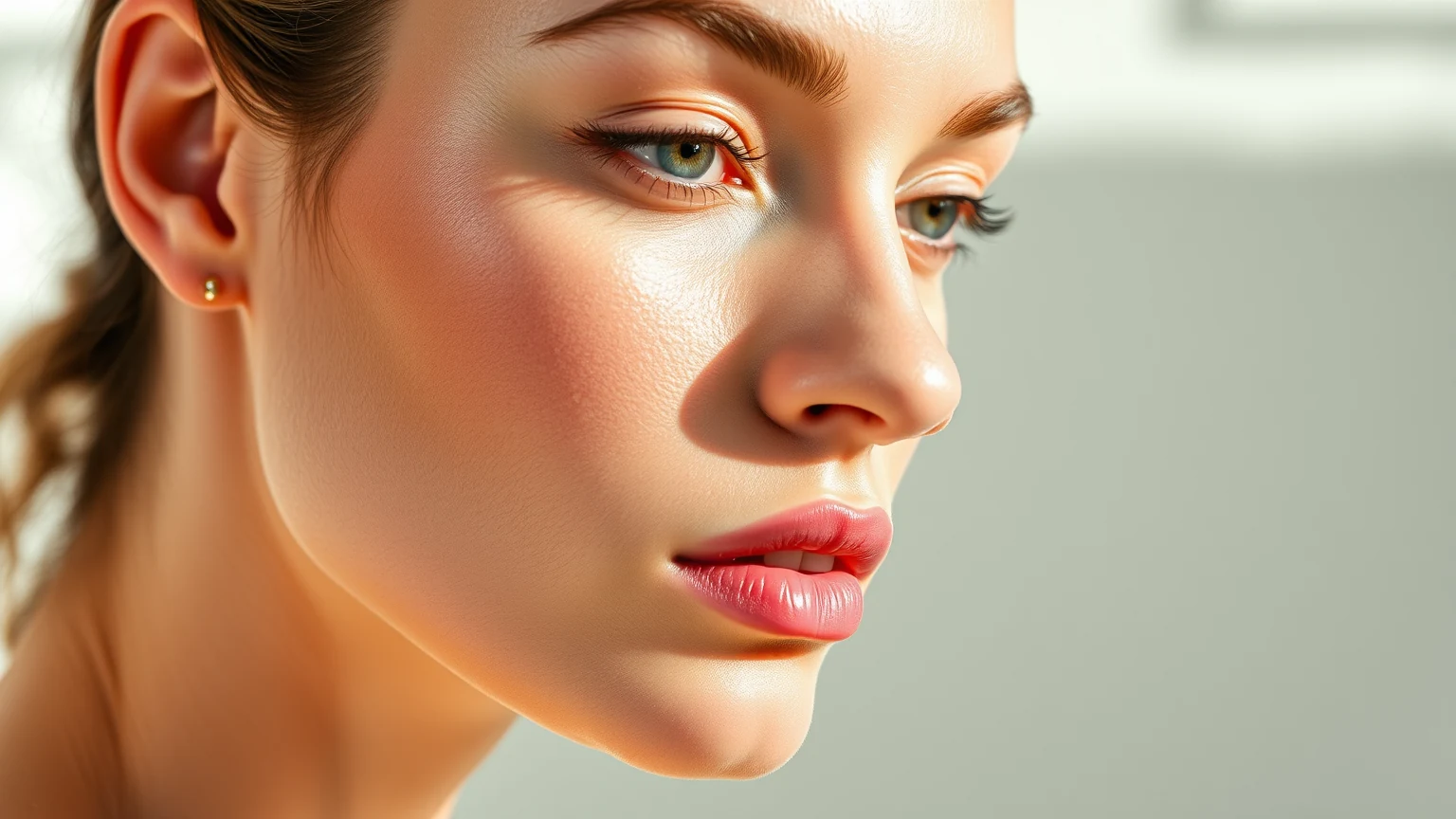
A lip color may read warmer, cooler, or more neutral beside neighboring colors, skin, teeth, hair, clothing, and light. Those impressions can shift from the tube to the face and across settings. Use temperature as a comparison tool, not a permanent identity assigned to the wearer. The useful question is what this shade does inside this whole composition today.
Begin With the Exact Shade
Use the current shade name, imagery, swatch context when available, finish, coverage, and product directions. A family word such as rose, brick, berry, coral, or nude does not settle undertone or how the color will appear on every lip. Describe what is visible under identified conditions and leave room for variation rather than turning one photograph into a universal promise.
Control Temperature With Coverage
A sheer pass lets more of the underlying lip color participate; fuller coverage gives the product color more authority. Blotted edges, a defined outline, a center placement, gloss, or layered color can further change the balance. Follow exact directions and compatibility information. Coverage is a design variable, not a ladder in which more product automatically becomes more sophisticated or dramatic.
Let Neighboring Color Answer Back
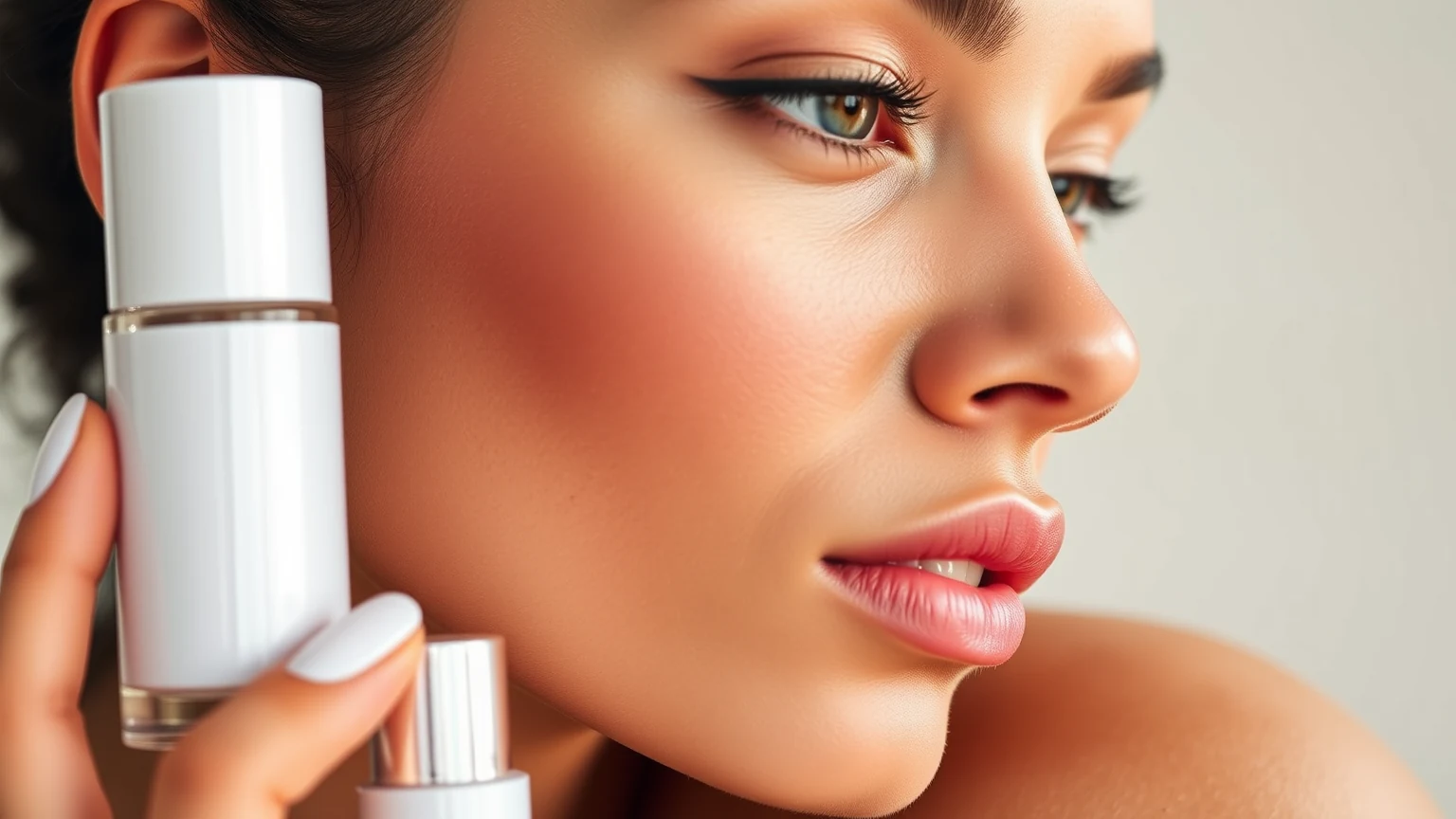
Cheek, eye, nail, clothing, and accessory colors can echo the lip temperature, oppose it, or create a bridge between warm and cool notes. A cool red lip beside bronze eyes reads differently from the same lip beside lilac; terracotta nails can pull another note forward. Coyglow looks for the conversation across the whole beauty look rather than using the lip as an isolated statement.
Finish Changes the Reading
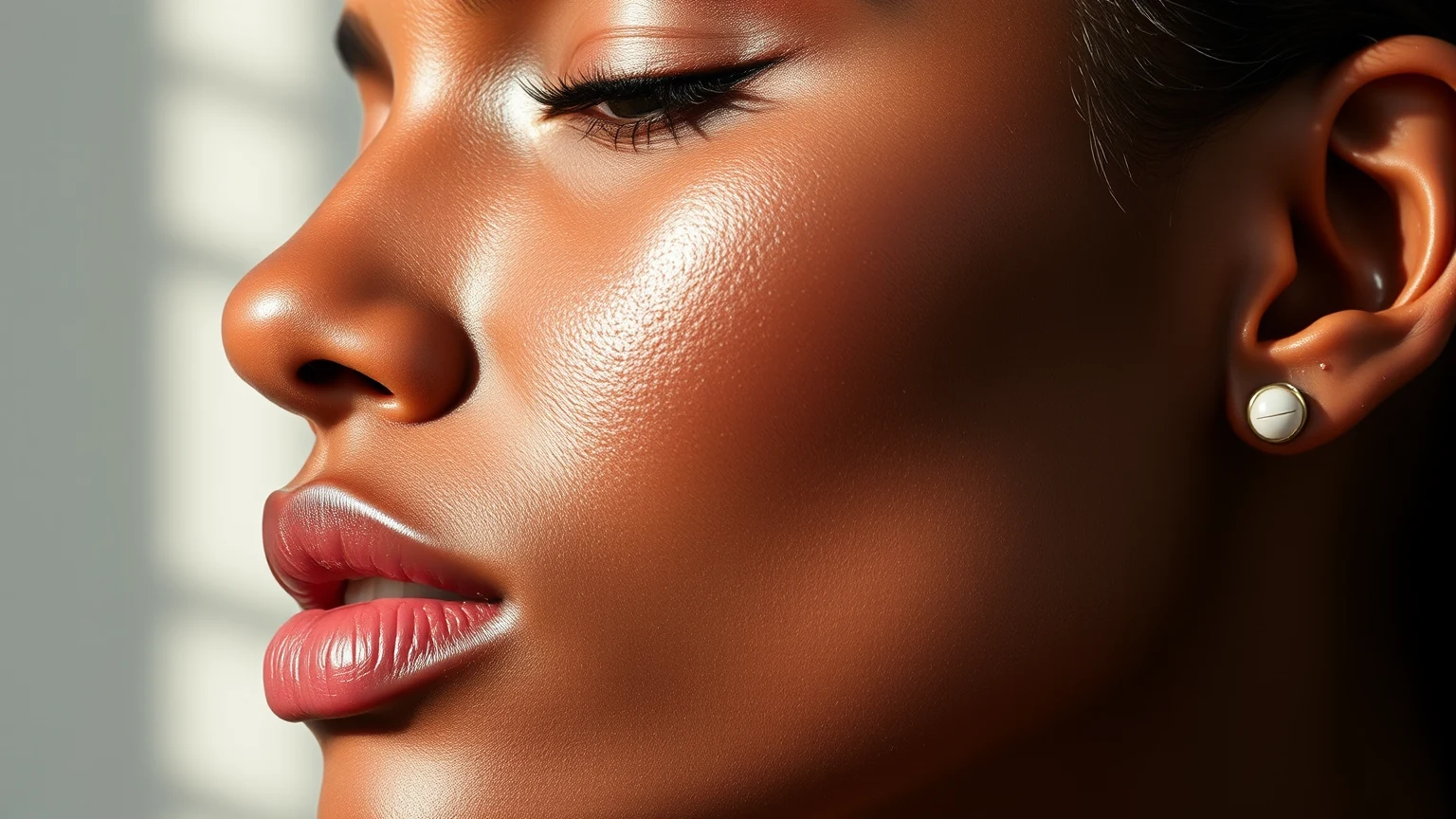
Gloss can reflect surrounding light and make color feel fluid; matte can make the shape and pigment field more graphic; satin, balm, stain, and shimmer offer other relationships. These are visual observations, not promises about comfort or wear. Check the exact product information, then view the result in the intended setting before deciding which finish carries the temperature most clearly.
Save the Color Equation
When the relationship works, record lip shade, coverage, placement, finish, neighboring makeup, nails, clothing, and light. That equation can be repeated or deliberately inverted later. Lip color does not have to announce a personality or correct the face. It can simply move the temperature of a look—and give Coyglow’s Skin + Makeup + Nails world one vivid point of connection.
About Coyglow Editorial Studio
The Coyglow Editorial Studio connects skin, makeup, nails, and everyday decision-making with clarity and restraint.