Published on August 5, 2024, by Coyglow Editorial Studio — 2 min read
Define What Tint Means for This Look
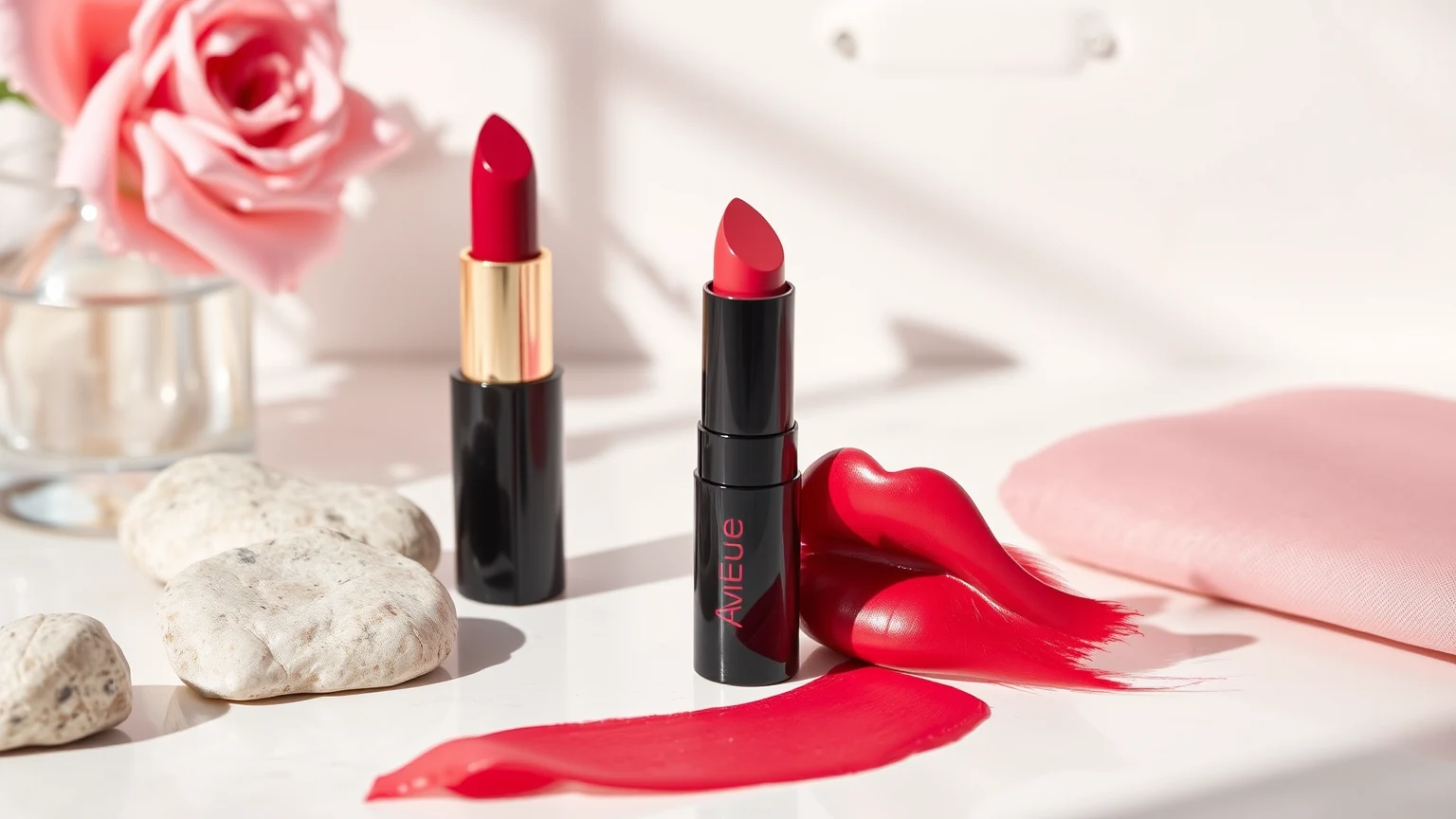
Tint may describe transparency, a stain, a lightweight texture, a blurred edge, a glossy film, a balm-like layer, or simply a product name. Write the desired shade effect, opacity, finish, shape, setting, camera, and touch-up plan before testing. One category word cannot establish how every lip product behaves.
Read the Exact Shade and Formula
Check live shade, undertone description, opacity, finish, format, directions, warnings, formula information available, applicator, package, price, availability, and visual material. A tint may deepen, fade, transfer, remain glossy, or change at the edge in ways that depend on the whole product and use—not its label alone.
Design the Edge and Placement
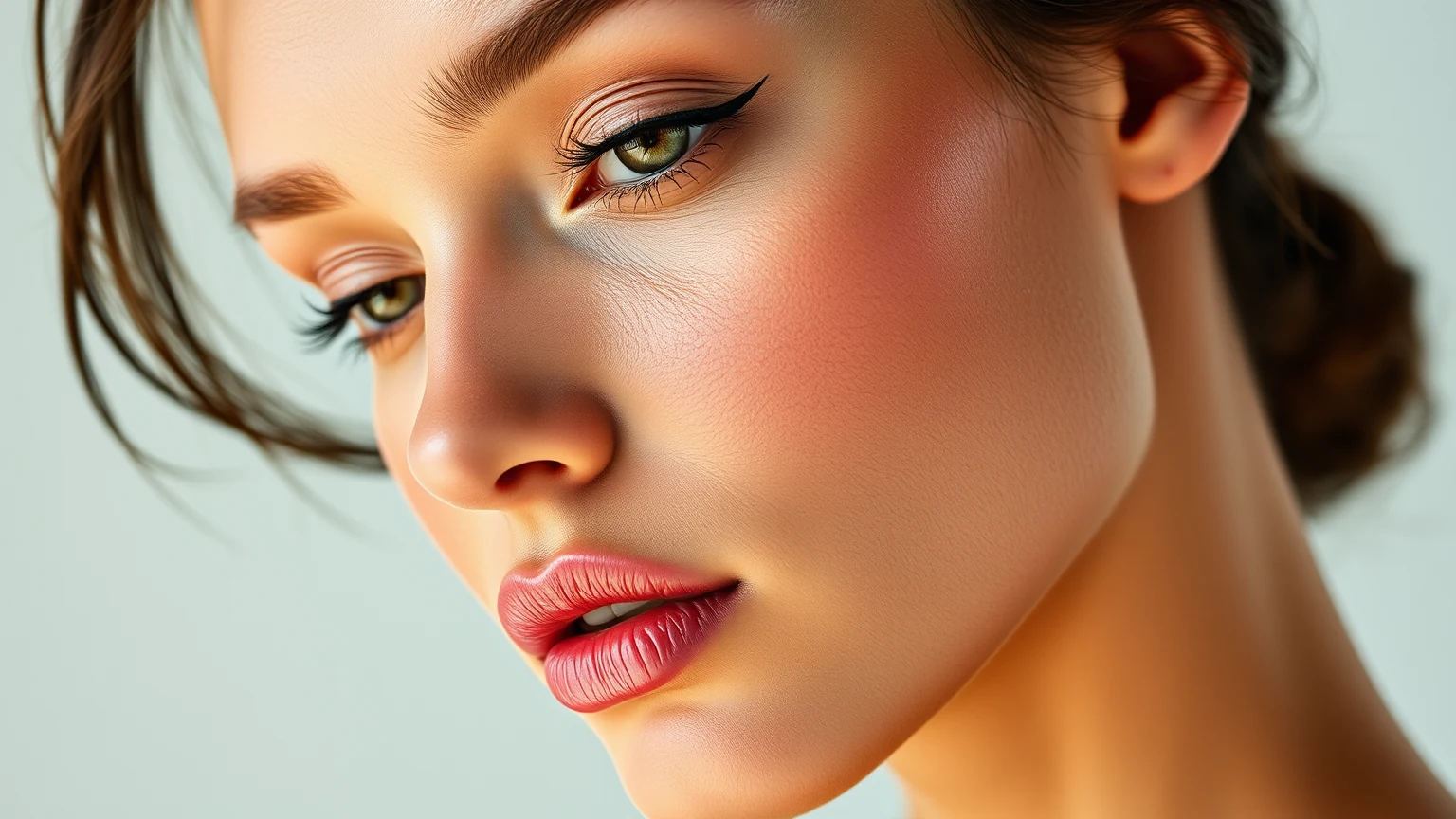
Use the eligible applicator, finger, brush, pencil, or mixed tools to create a crisp perimeter, diffused cloud, concentrated center, gradient, overdrawn shape, negative space, or uneven art. No-mirror use is one habit, not a quality standard. Precision and deliberate irregularity can both belong to lip tint.
Observe Color and Surface Separately
Track shade, opacity, shine, stain, edge, movement, transfer, and wearer experience through relevant intervals. A surface can lose gloss while color remains, or color can move while reflection stays. Describe what is visible without inventing a mechanism, and note light, camera, pressure, food, drink, and touch-up context when useful.
Compose the Full Skin, Makeup, and Nails Look
Read the lip with base, brow, eye, cheek, hair, jewelry, clothing, and nails. Echo the lip shade in nail art, oppose it with another temperature, pair a soft edge with graphic eyes, or let the mouth sit outside the palette. A tint does not need matching cheek color or a quiet face.
Evaluate the Habit as Well as the Image
Observe application access, touch-ups, package use, photographs, wear, removal, and whether the lip still serves the setting. Save exact shade, layers, tool, edge, light, and open questions when helpful. Then repeat, intensify, sharpen, blur, compare another whole product, or choose a different lip format.
About Coyglow Editorial Studio
The Coyglow Editorial Studio connects skin, makeup, nails, and everyday decision-making with clarity and restraint.