Published on October 16, 2026, by Coyglow Editorial — 2 min read
Why texture reads before labels do
Pick up a serum and the first thing you learn is not on the ingredient list. It is in the pour. A watery essence falls in a thin, quick line; a cushiony serum holds a soft bead before it lets go. That behavior — viscosity, in the formulator's vocabulary — is the most honest sentence a product makes before you buy it.
The three questions a fluid answers
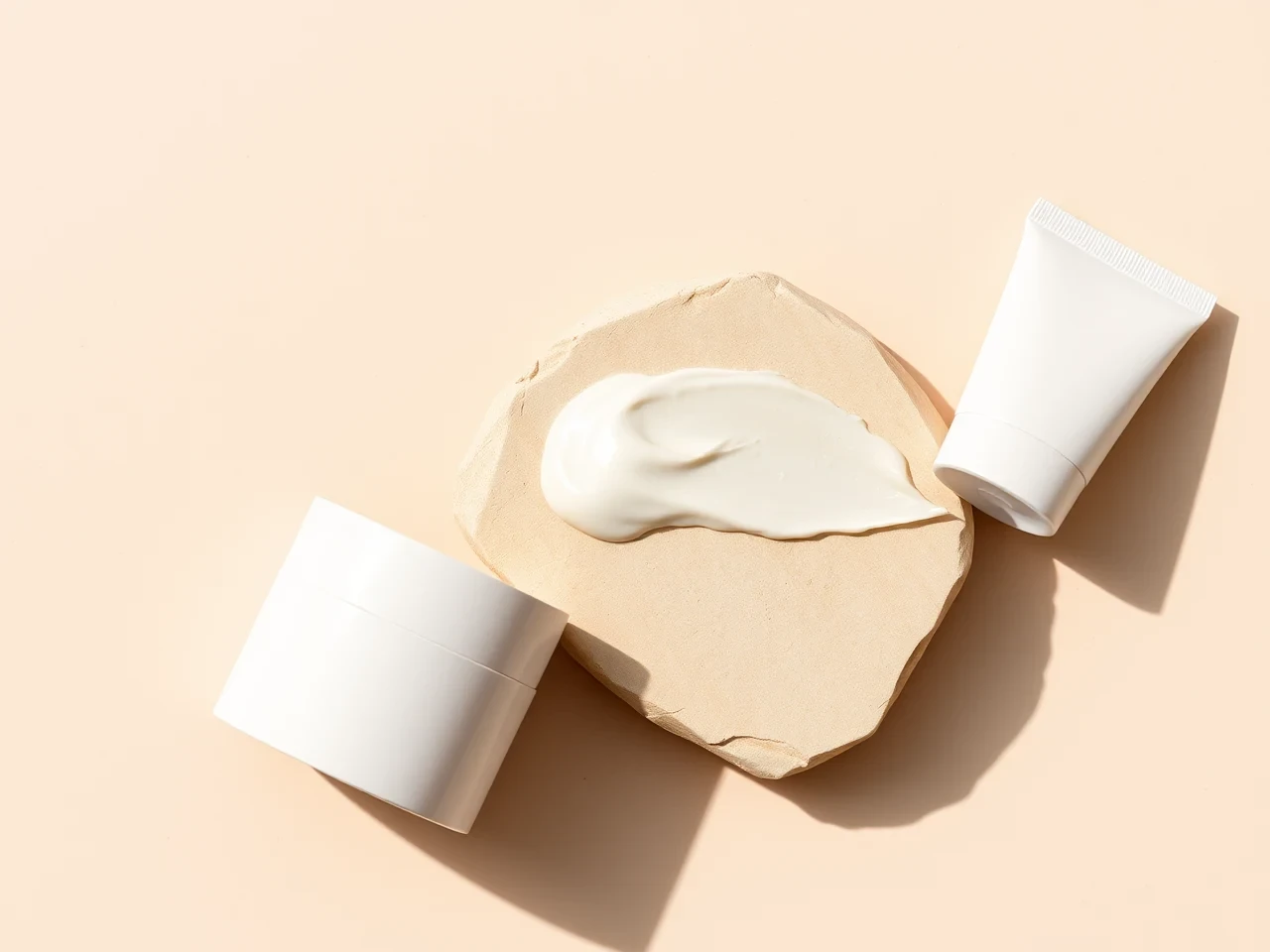
Every fluid texture answers three questions. How fast does it spread? How long does it stay? And what does it leave behind? A formulator tunes each answer with the ratio of water-phase to oil-phase to thickeners — and the finished texture tells you which choices were made.
- •Spread: thin fluids travel fast and far — good for layering, honest about short wear.
- •Stay: richer serums sit longer on the surface, trading immediacy for a slow, even handoff.
- •Residue: what remains after a minute is the formula's signature — nothing, a satin film, or a plush veil.
Reading our own demo formula
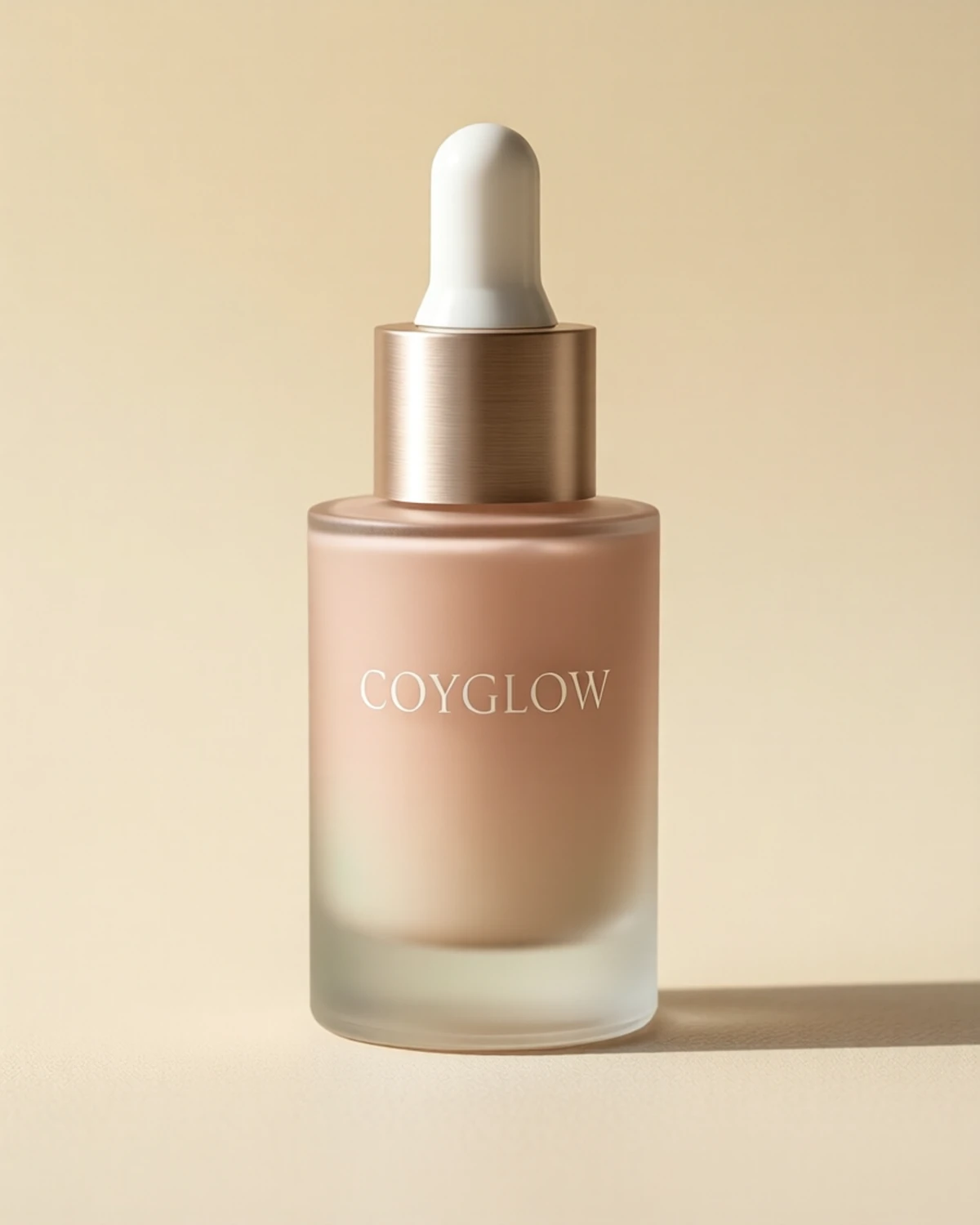
Coyglow's Lightweight Layering Serum is built to answer those three questions in one particular dialect: fall like water, hold like a gel, leave a satin finish that disappears into the next step. We describe it as a texture study because that is what it is at this stage — a demonstration of how the system presents formulation character, not a clinical claim.
Glycerin is the quiet classic of the water phase: a humectant that binds water and slows its escape, giving thin formulas their quiet plumpness. It is the reason a simple serum can feel like it 'does something' in the first thirty seconds — that something is water management, and it is legitimate to enjoy it.
Texture is the first sentence of a formula's story. Learn to read it and the label stops being a foreign language.
How to practice
The next time a sample crosses your palm, pour a drop on the back of your hand and watch it for sixty seconds. Does it run? Does it hold a shape? Push it with a fingertip — does it break cleanly or smear? You are now reading viscosity, and you did not need a chemistry degree to do it.
This article is an editorial demo piece created in-house during Coyglow's build period. It exists to demonstrate the reading experience — long-form rhythm, image placement, ingredient and product association — with honest labeling and no invented clinical evidence.
Sources
- Coyglow Barrier Repair Serum — Featured in the article — resolves live price and availability from Commerce
About Coyglow Editorial
Coyglow's editorial desk writes about formulation literacy: how beauty products are built, and how to read them. Demo-period content, created in-house.