Published on September 10, 2023, by Coyglow Editorial Studio — 2 min read
Texture Is Not the Routine Role
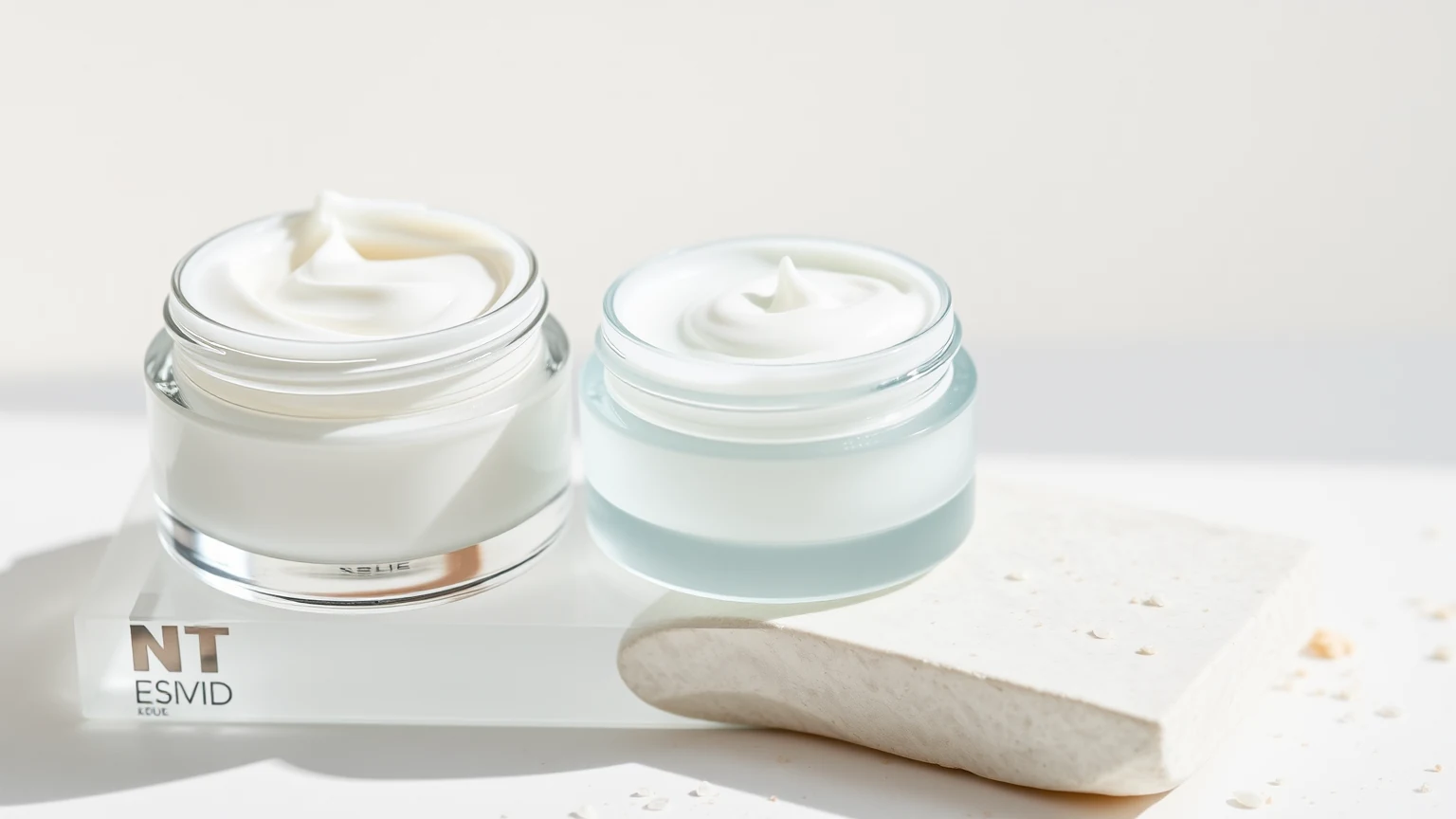
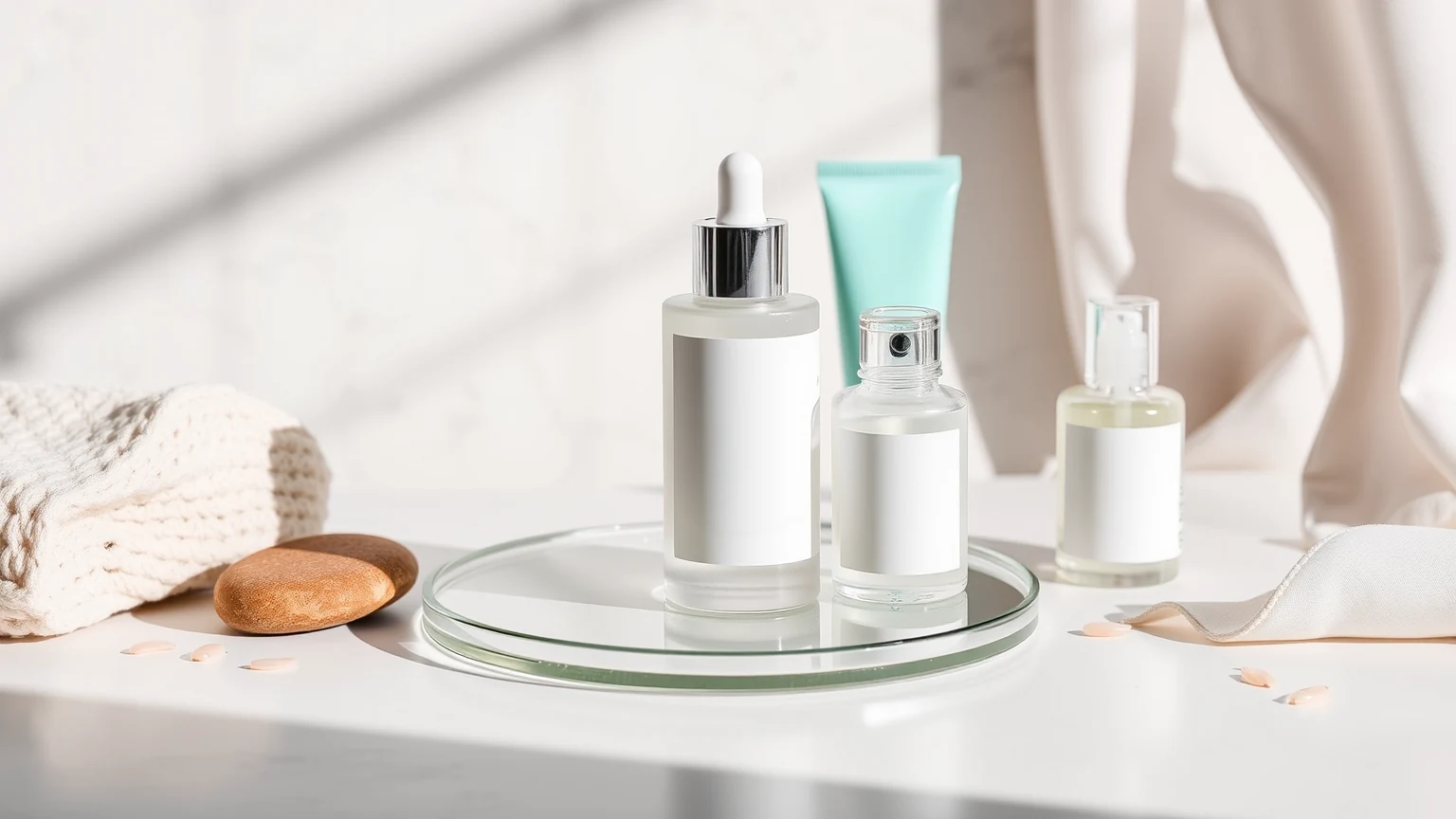
“Serum” names a broad format, and texture words make that format easier to imagine. Neither one tells you why the product belongs in your sequence. Begin with the role supported by the exact product information. A middle layer chosen for a defined purpose is easier to compare than a row of serums grouped only because their bottles and category names look alike.
Compare Like With Like
Hold the role steady before comparing texture. A fluid layer and a cushioned layer may be meaningful alternatives when both are intended for the same position. If their directions, purpose, or place in the sequence differ, the sensory comparison can still be interesting, but it does not answer which product fills the role. Coyglow separates those questions so texture does not disguise a category mismatch.
Map the Layers Around It
Write the step before the serum and the step after it. Include makeup when it follows. This small map reveals whether you are choosing a standalone moment, a layer beneath a final texture, or part of a longer morning. The surrounding sequence can make the same texture feel elegant, redundant, or inconvenient. Routine role is relational: it becomes clear through what the product connects.
Amount and Timing Belong in the Comparison
Follow each product’s current directions and compare within those boundaries. Notice the amount, placement, and pause you can realistically give the step. A texture that seems different when overapplied or rushed has not necessarily revealed the intended experience. Keep the method consistent enough that you are comparing the products rather than two unrelated application habits.
Do Not Infer the Formula From the Feel
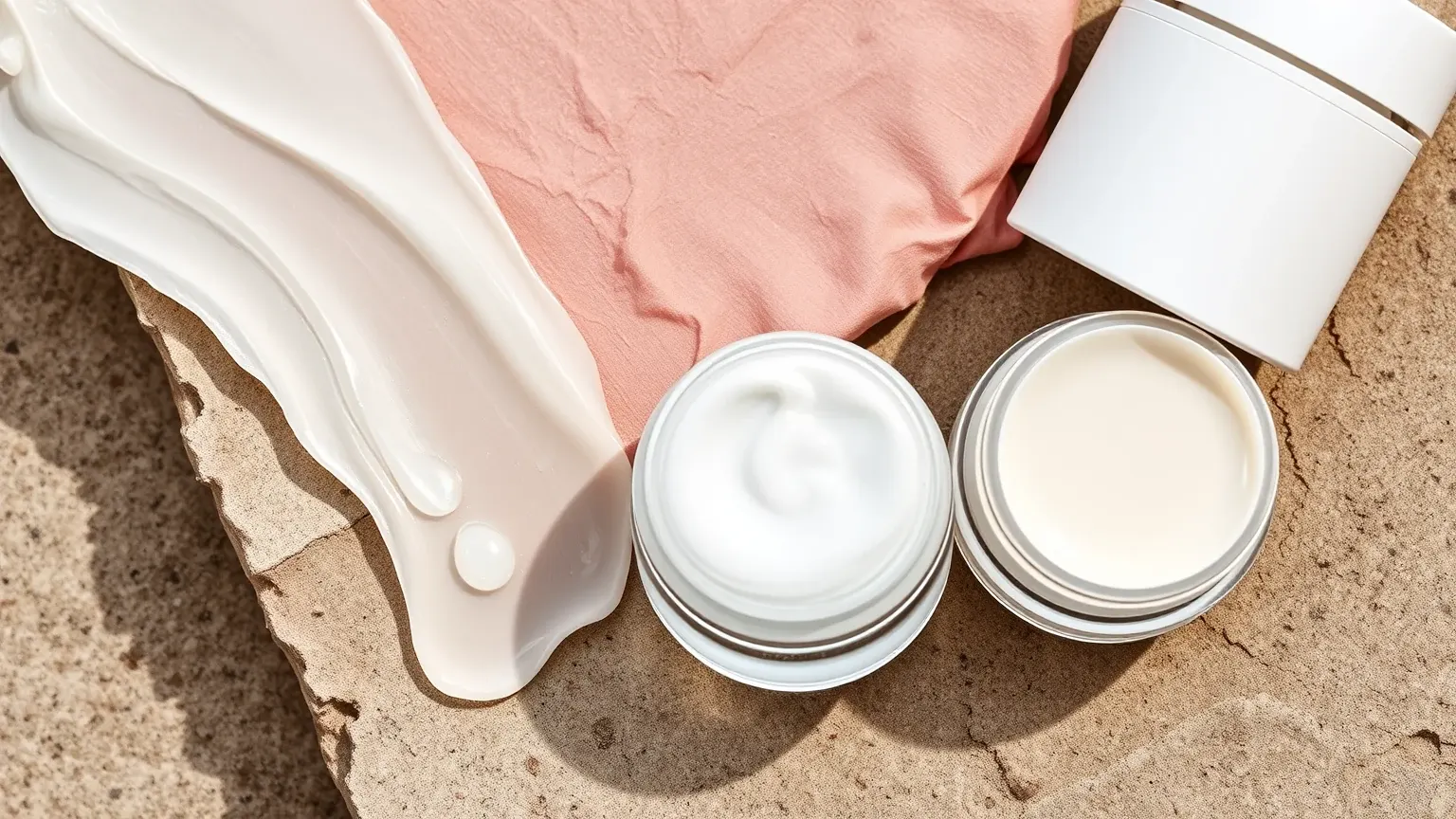
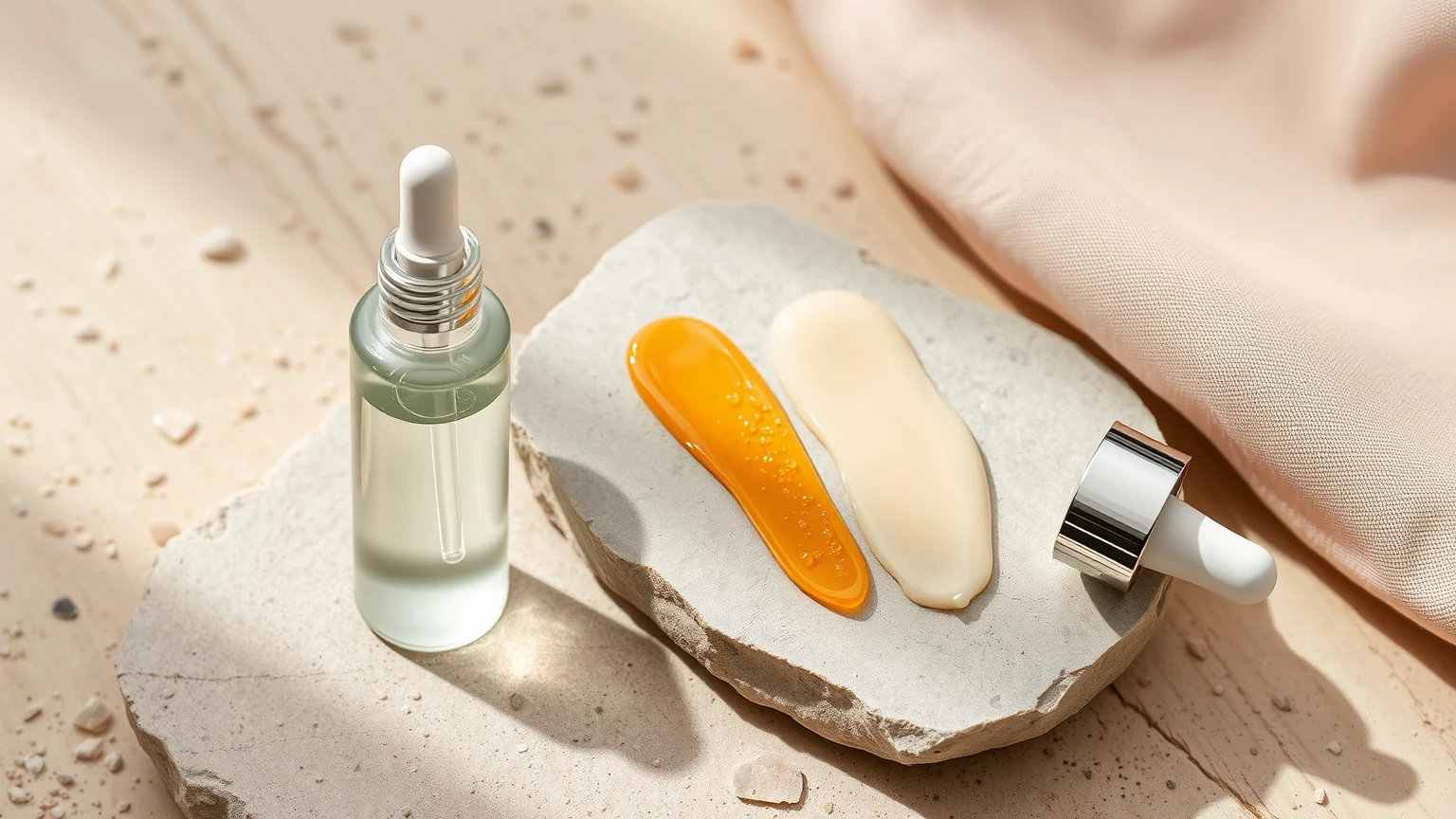
A silky, watery, gelled, or emulsion-like feel does not disclose the complete formula, exact formula details, evidence, or suitability. Sensory observation and formula documentation are separate sources of information. Use texture to decide whether a format fits the sequence you want. Use the reviewed product record for ingredient and claim questions, and leave any unreported detail unreported.
Choose the Sequence You Will Repeat
The best comparison ends with a routine you can describe and realistically use: this product, in this role, between these layers, at this time. Texture matters because it shapes that repeated experience. It becomes valuable when attached to a clear routine decision—not when treated as a performance claim or a personality type for the product.
About Coyglow Editorial Studio
The Coyglow Editorial Studio connects skin, makeup, nails, and everyday decision-making with clarity and restraint.