Published on November 17, 2023, by Coyglow Editorial Studio — 2 min read
Visible Texture Belongs to Real Skin
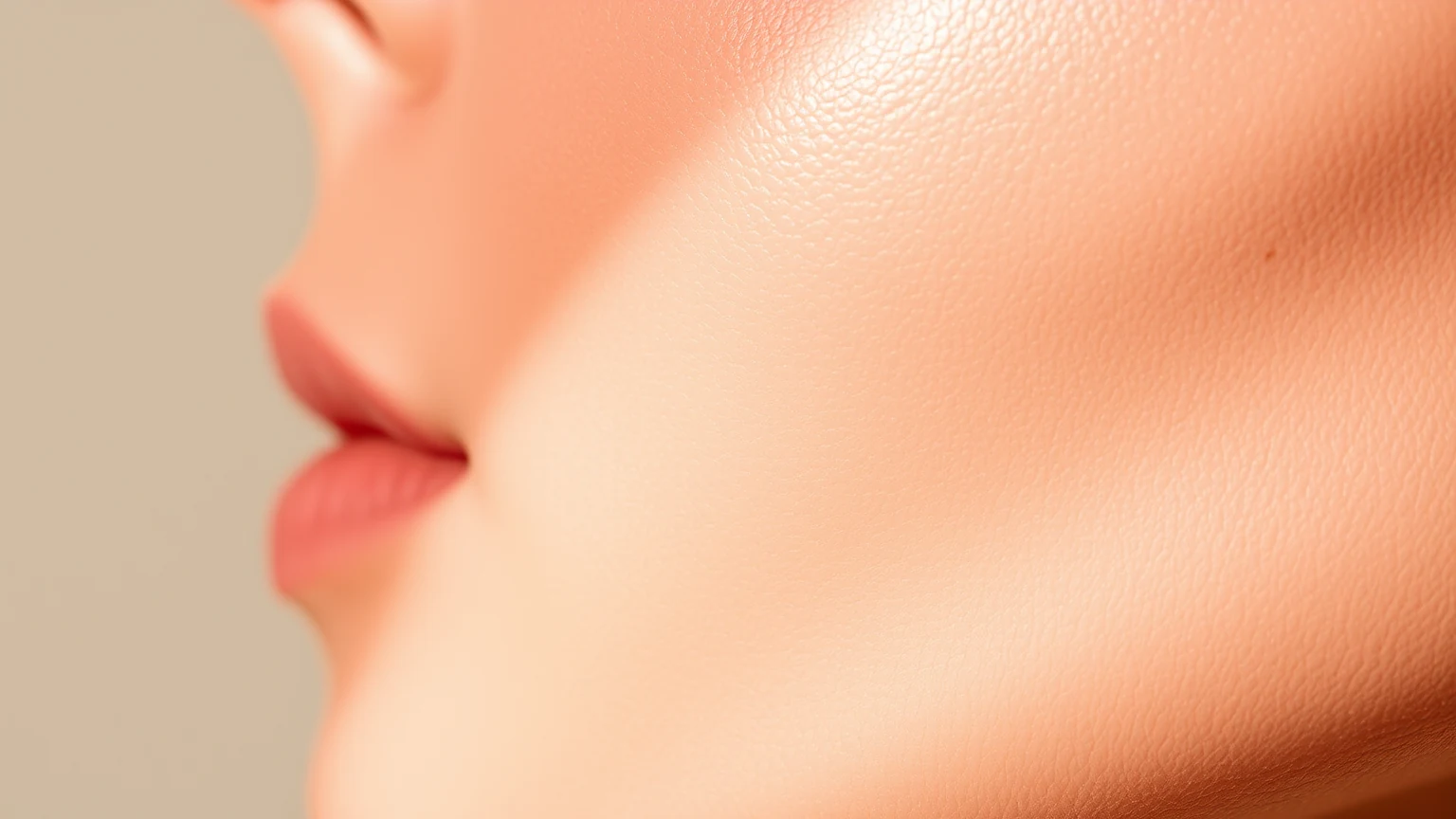
Skin reflects light across pores, lines, hair, contours, and changing surfaces. A beauty image or complexion product can alter how some of that texture appears, but “poreless” is not the neutral baseline from which every face has departed. Begin by deciding the intended finish, distance, and light instead of treating all visible variation as a problem that requires a product.
Separate the Mirror From the Magnifier
A close mirror, phone lens, hard side light, soft room light, and conversational distance reveal different information. Choose the view that belongs to the finished look and use closer inspection only for placement when needed. The goal is not to make every viewing condition agree. It is to understand which details matter to the composition and which appear only because the inspection changed.
Prepare With Exact Products
Follow the current directions for every skin and makeup product used before the base. Do not add a stronger ingredient, fixed waiting period, or extra layer merely because texture is visible. If the existing sequence feels uncomfortable or the product information leaves a material question open, stop the beauty experiment and seek an appropriate qualified source rather than using makeup as evidence about the cause.
Place Coverage Where the Look Needs It
Coverage can be full, selective, sheer, layered, or absent across different areas. Decide where color and finish should change, then use the exact base or concealer as directed. More product does not automatically create a smoother visual field, and less product is not automatically more natural. The right amount is the one that expresses the chosen relationship while remaining workable in the routine.
Observe the Finish Without Inventing a Cause
Reflection, settling, separation, movement, and visible texture are useful observations. Record product, amount, tool, order, light, environment, and time so the next comparison is fair. Do not claim that one observation proves dehydration, oil, age, incompatibility, or another hidden condition. Change one optional variable only when the product directions allow and the visual question is clear.
Finish the Face, Not the Close-Up
Read the complexion beside brows, eyes, cheeks, lips, hair, clothing, and the manicure. Texture can remain visible while the whole composition looks deliberate, luminous, soft, graphic, or polished. Coyglow wants complexion language to protect the pleasure of real skin: finish is designed with texture present, not awarded only after every human surface has been edited away.
About Coyglow Editorial Studio
The Coyglow Editorial Studio connects skin, makeup, nails, and everyday decision-making with clarity and restraint.