Published on July 3, 2024, by Coyglow Editorial Studio — 2 min read
Write the Visual Brief Before Choosing a Base
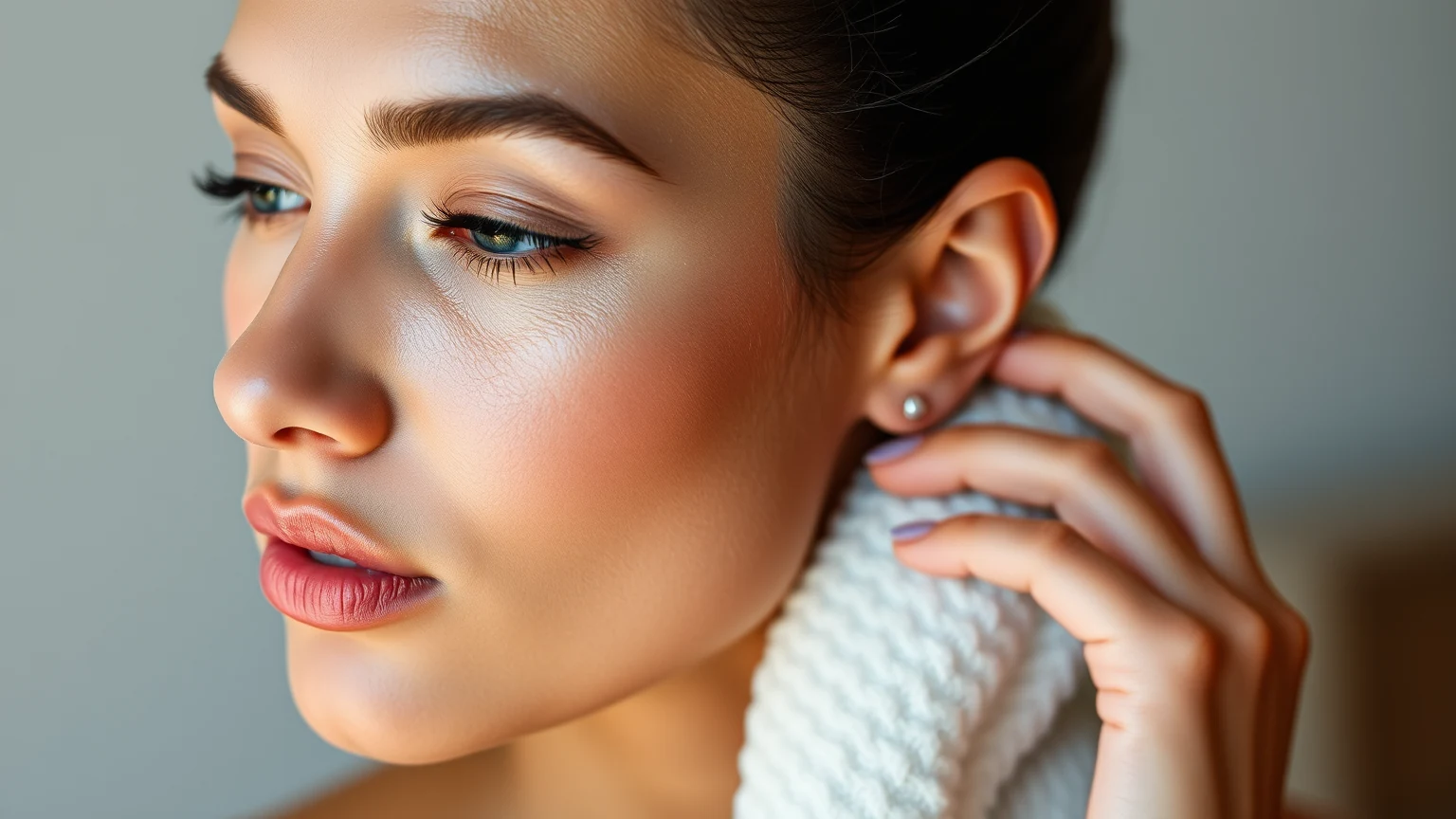
Name the desired coverage, finish, visible-skin relationship, shade effect, placement, setting, camera, wardrobe, and time available. A base may unify, tint, sculpt, flatten, reflect, create a graphic field, or remain absent. Looking like skin is one aesthetic among many, not the universal measure of a successful face.
Read the Exact Product and Shade
Check live shade, depth, undertone description, opacity, finish, format, directions, warnings, formula information available, package, tools, price, availability, and sample or return options. Matte, satin, luminous, natural, or another label can guide comparison, but it cannot establish how every layer will look in the relevant conditions.
Choose Coverage and Finish Together
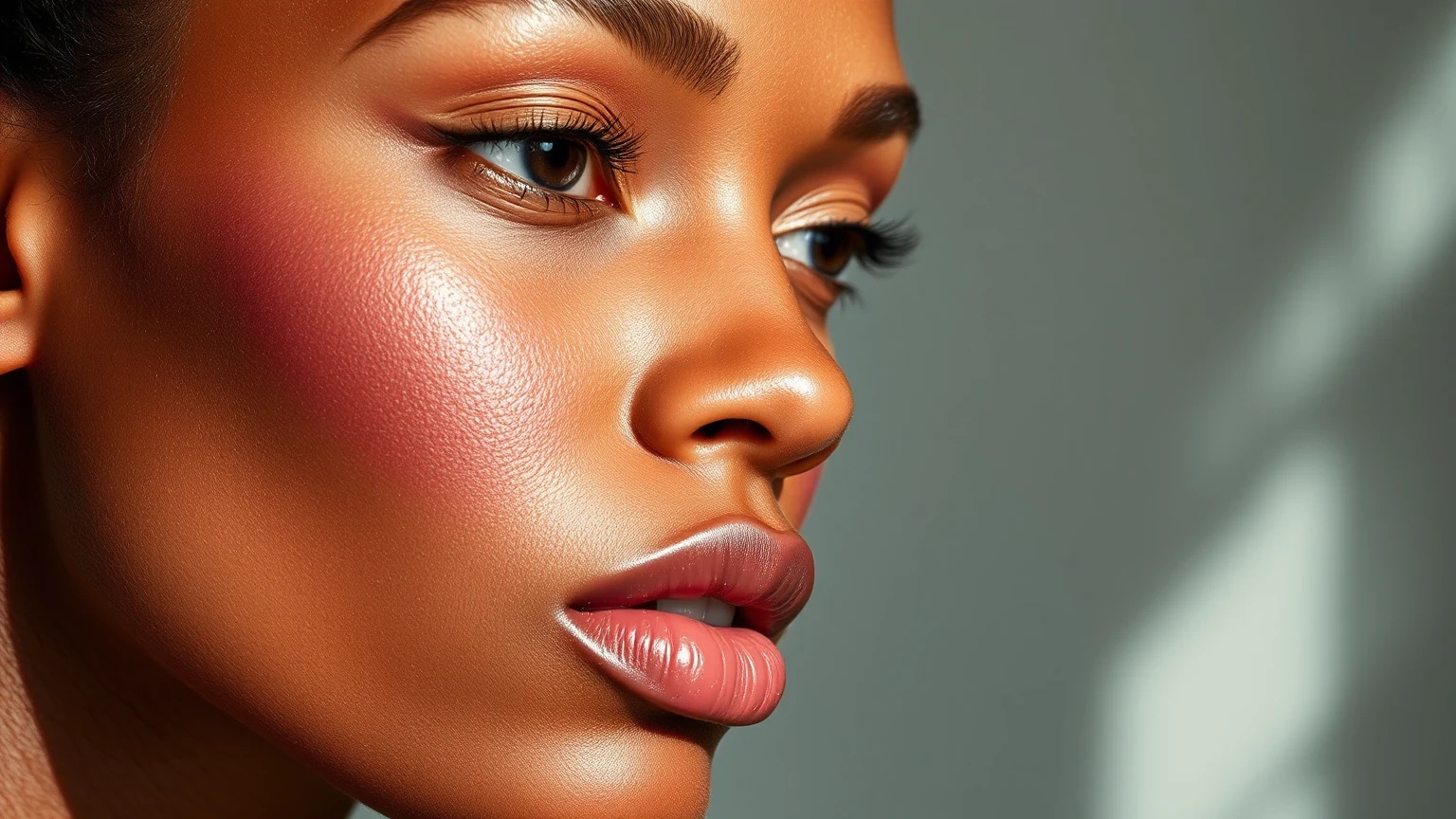
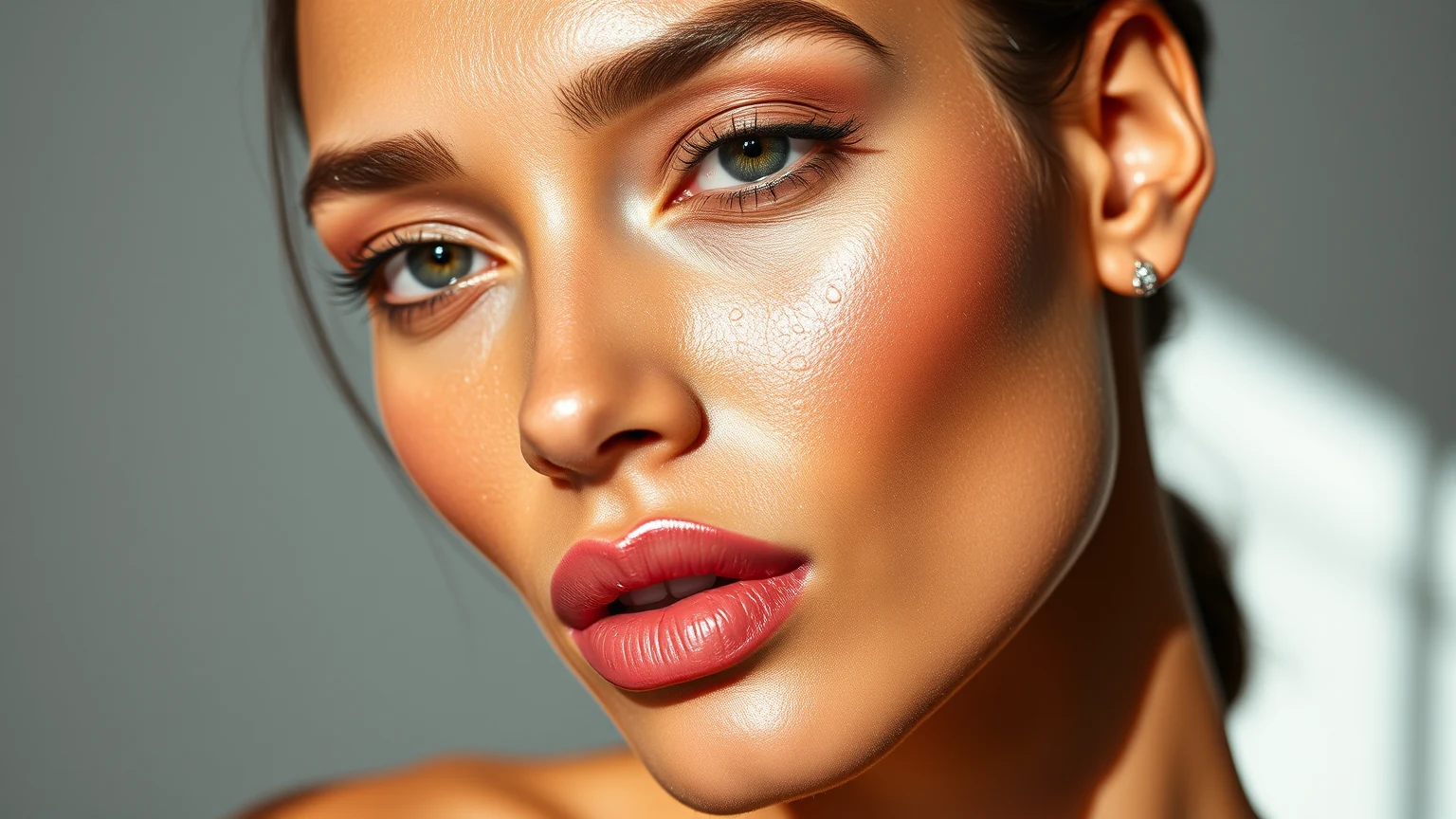
Sheer glow, opaque glow, translucent matte, full matte, satin tint, targeted coverage, mixed finishes, visible texture, and deliberate contrast can all support different compositions. Coverage does not have to wait until finish is decided, and skin does not have to remain visible in prescribed areas. Design both dimensions around the look.
Use the Light and Camera That Matter
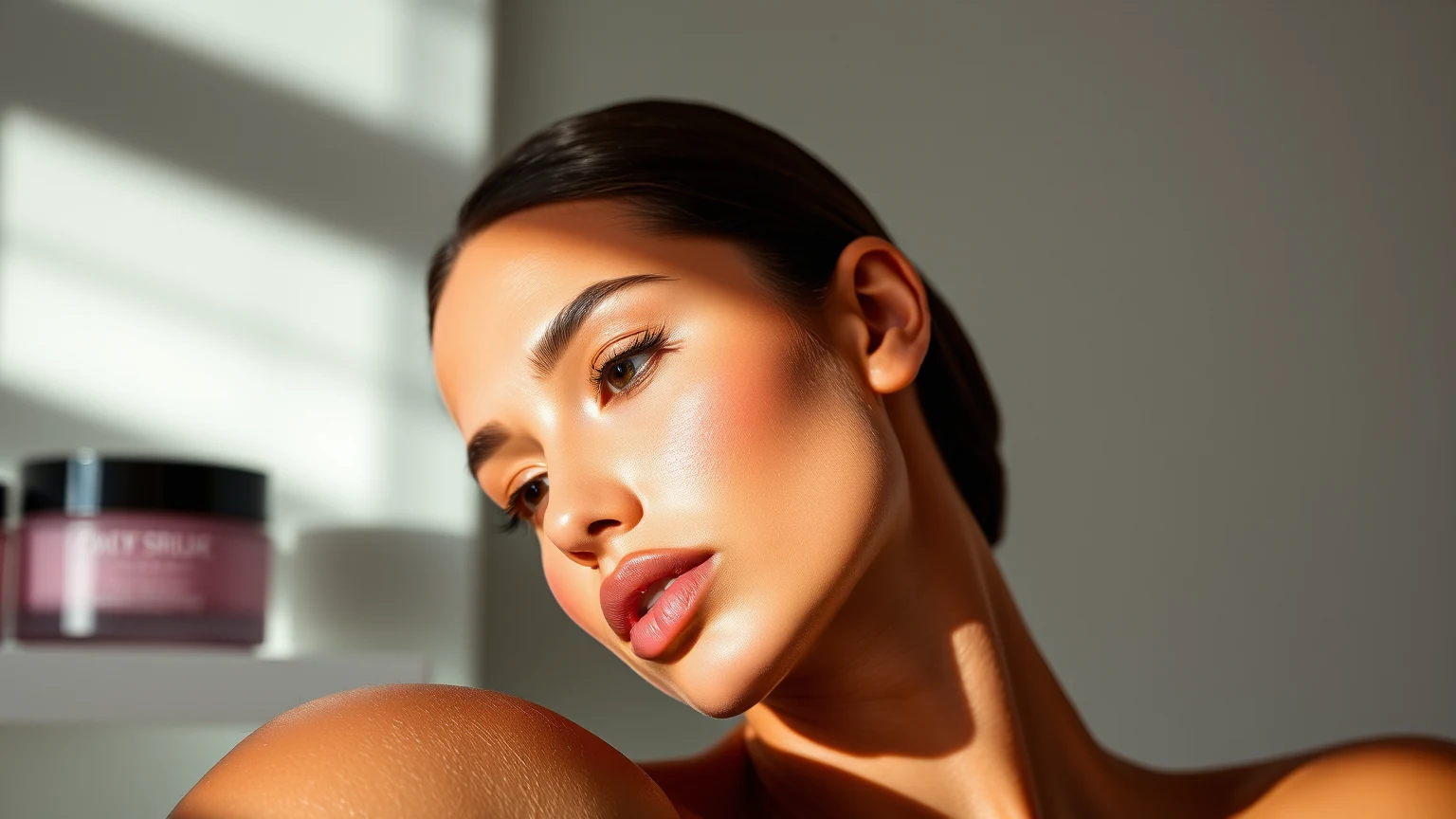
View the base in the indoor light, outdoor setting, stage, flash, video call, camera, or mixed conditions connected to the brief. Exposure, white balance, direction, distance, and movement change what is visible. Daylight can add information, but it is not the only honest environment for makeup intended to live somewhere else.
Apply the Intended Layer and Compose the Whole Look
Use the eligible tool, amount, preparation, placement, and layering planned for the face. Then read the base with brow, eye, cheek, lip, hair, jewelry, clothing, and nails. A finish can echo or oppose other textures; a shade can match, warm, cool, deepen, brighten, or create deliberate separation according to the composition.
Evaluate Through the Actual Setting
Observe color relationship, finish, movement, transfer, touch-ups, comfort, photographs, and removal for as long as the real plan requires. There is no universal thirty-minute pass mark. Save shade, layer, tool, light, and setting when useful, then repeat, adjust, mix when eligible, change format, choose an accessible alternative, or go without base.
About Coyglow Editorial Studio
The Coyglow Editorial Studio connects skin, makeup, nails, and everyday decision-making with clarity and restraint.