Published on August 26, 2026, by Coyglow Editorial Studio — 1 min read
Define Satin In Your Light
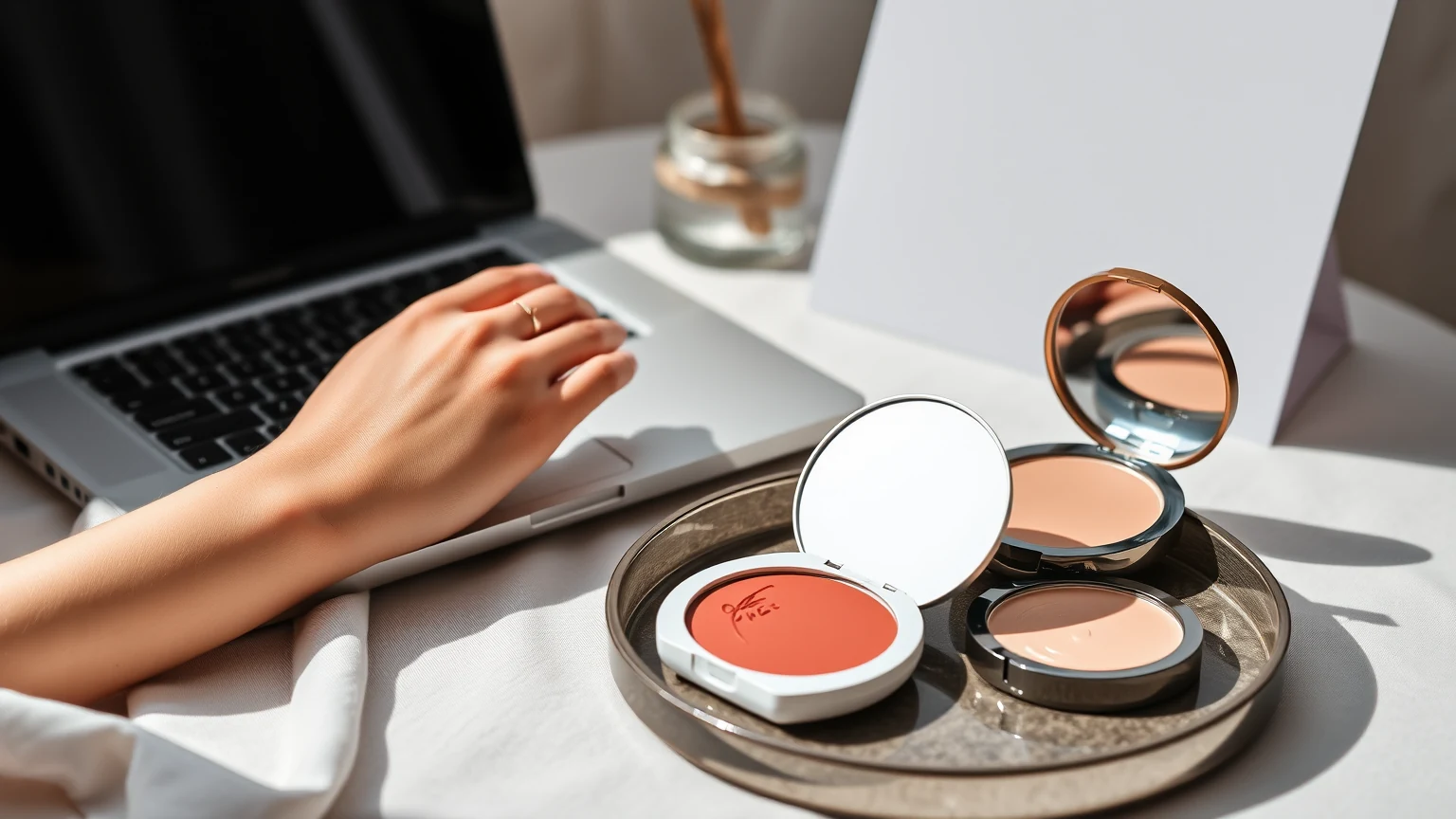
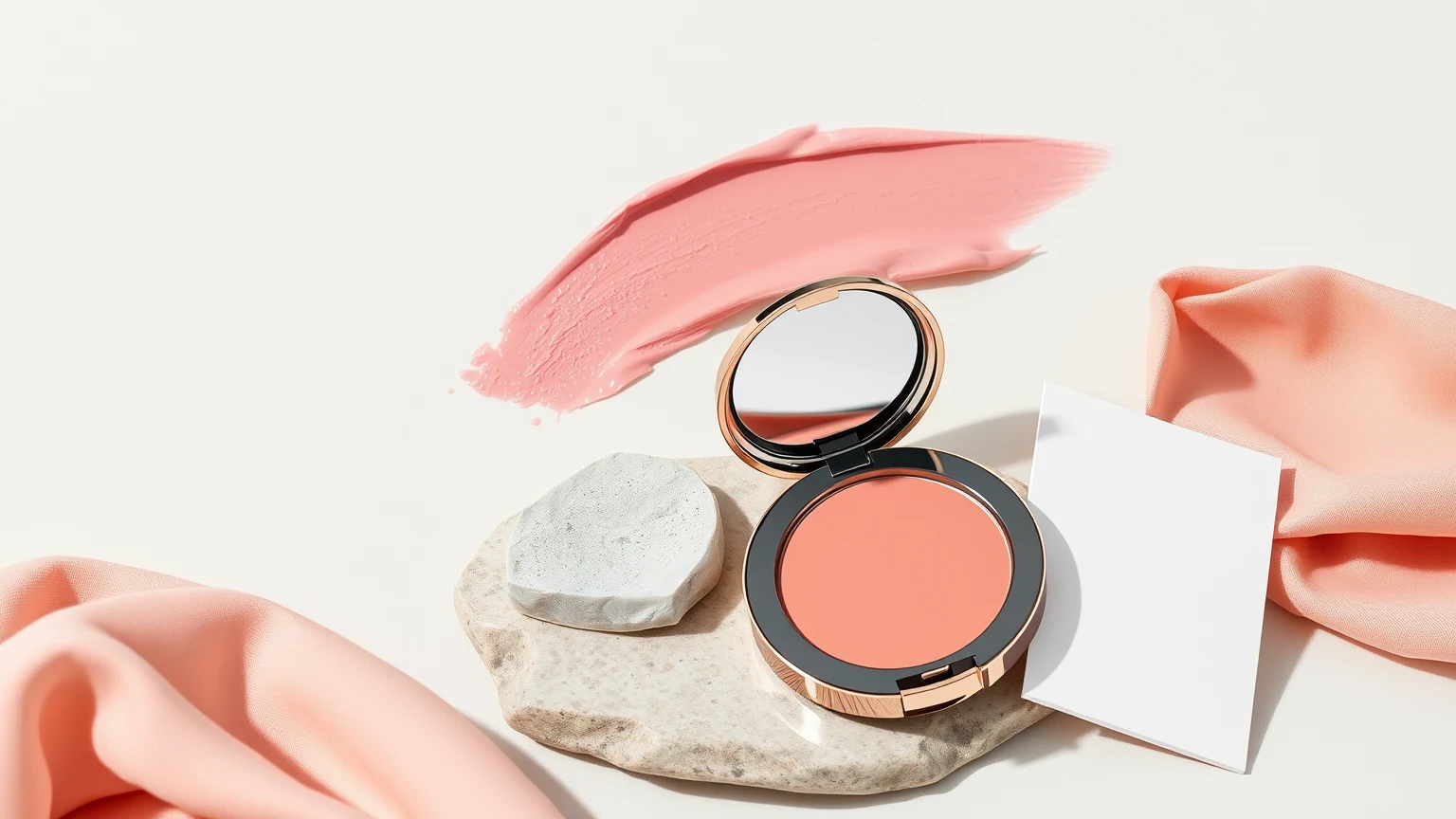
Satin sits between flat and highly reflective, but cameras, windows, mirrors, and screens read it differently. Choose the light that matters for the day and describe what you want to see: a soft return of light on the high points, a quieter center, or an even low glow across the face.
Place Reflection Instead Of Fighting It
Rather than treating every highlight as unwanted shine, decide where reflection helps the composition. The forehead, cheeks, nose, and chin do not need identical treatment. A face can hold more than one finish, and selective contrast often looks more intentional than one texture forced everywhere.
Keep Base And Color As Separate Choices
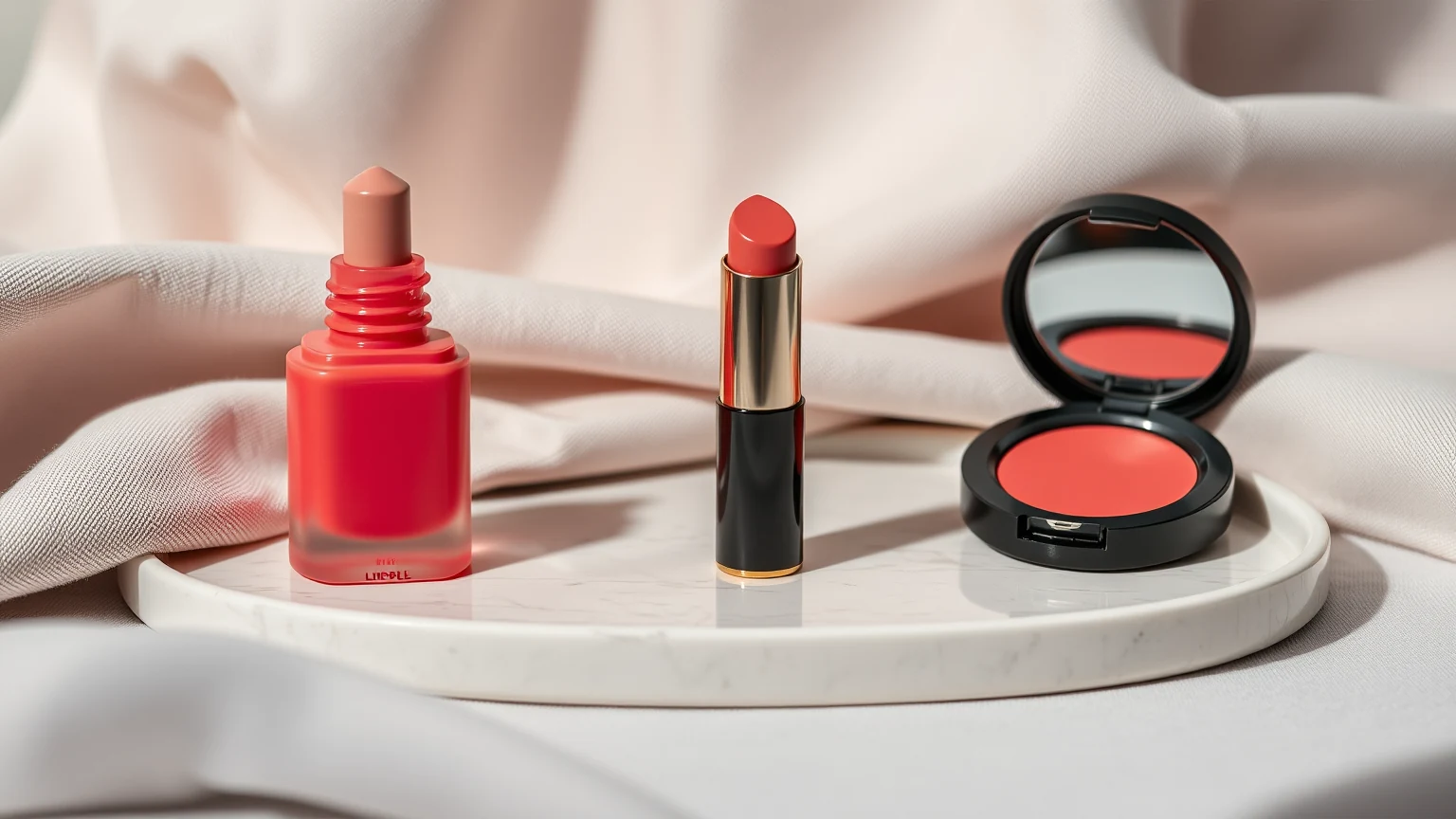
A complexion base sets one part of the canvas; cheek and lip color make separate decisions. Choose the base finish first, then ask whether color should echo its softness or create contrast. This prevents a finish idea from turning into an automatic full-face formula.
Check The Real Viewing Context
Look once near a window, once in the ordinary room light, and once through the screen you will actually use. Do not chase agreement between all three. Choose the context that matters most, note the trade-off, and stop adjusting when the face still reads as yours.
The Coyglow Edit
Satin is not the absence of shine. It is reflection with placement and restraint. Build the finish one decision at a time, use live product guidance where available, and let natural variation remain part of the result.
About Coyglow Editorial Studio
Coyglow Editorial Studio writes beauty guidance across skin, makeup, nails, routine design, product literacy, creator culture, and community commerce.