Published on June 2, 2025, by Coyglow Editorial Studio — 2 min read
Let Every Relevant Light Count
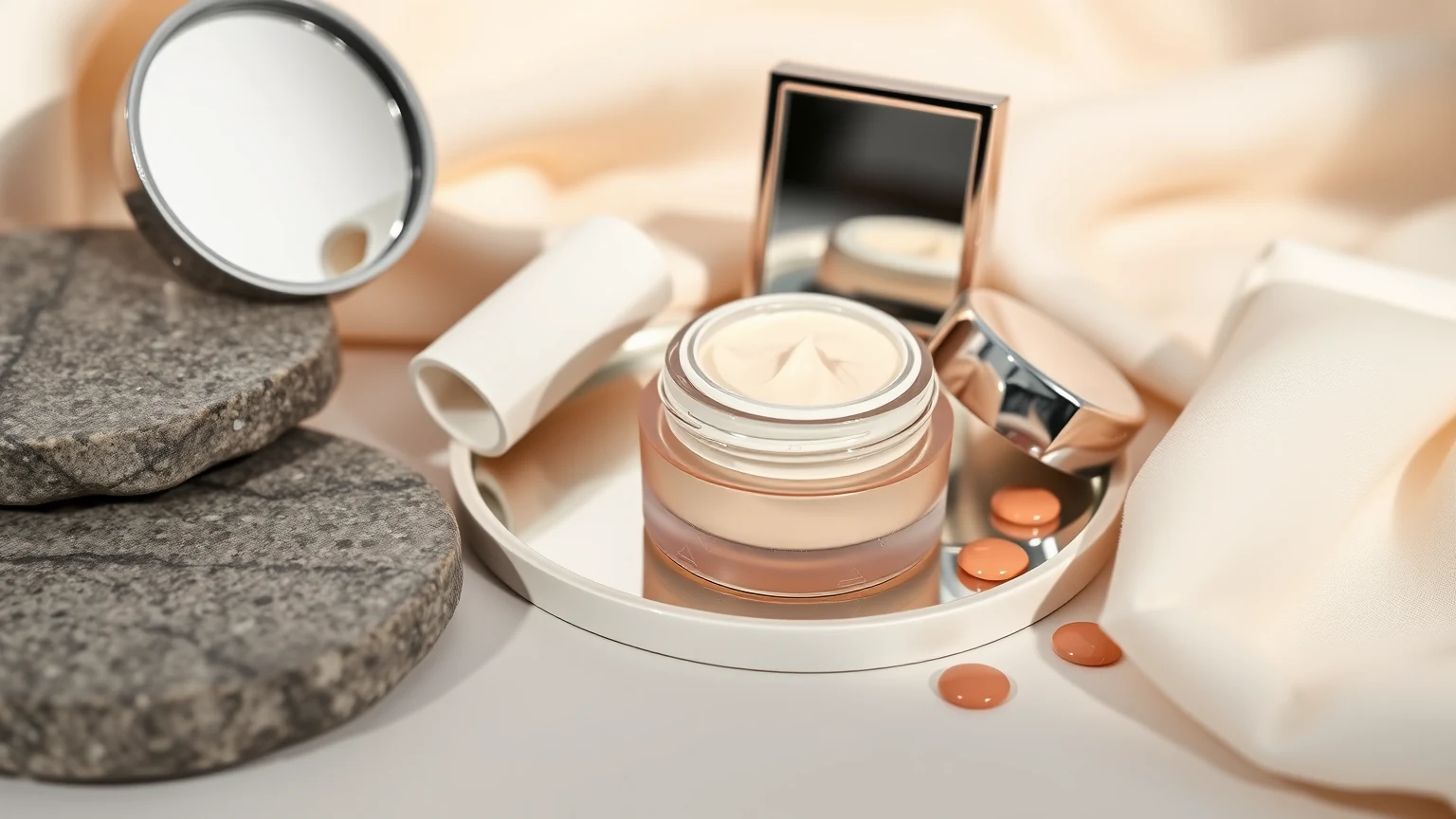
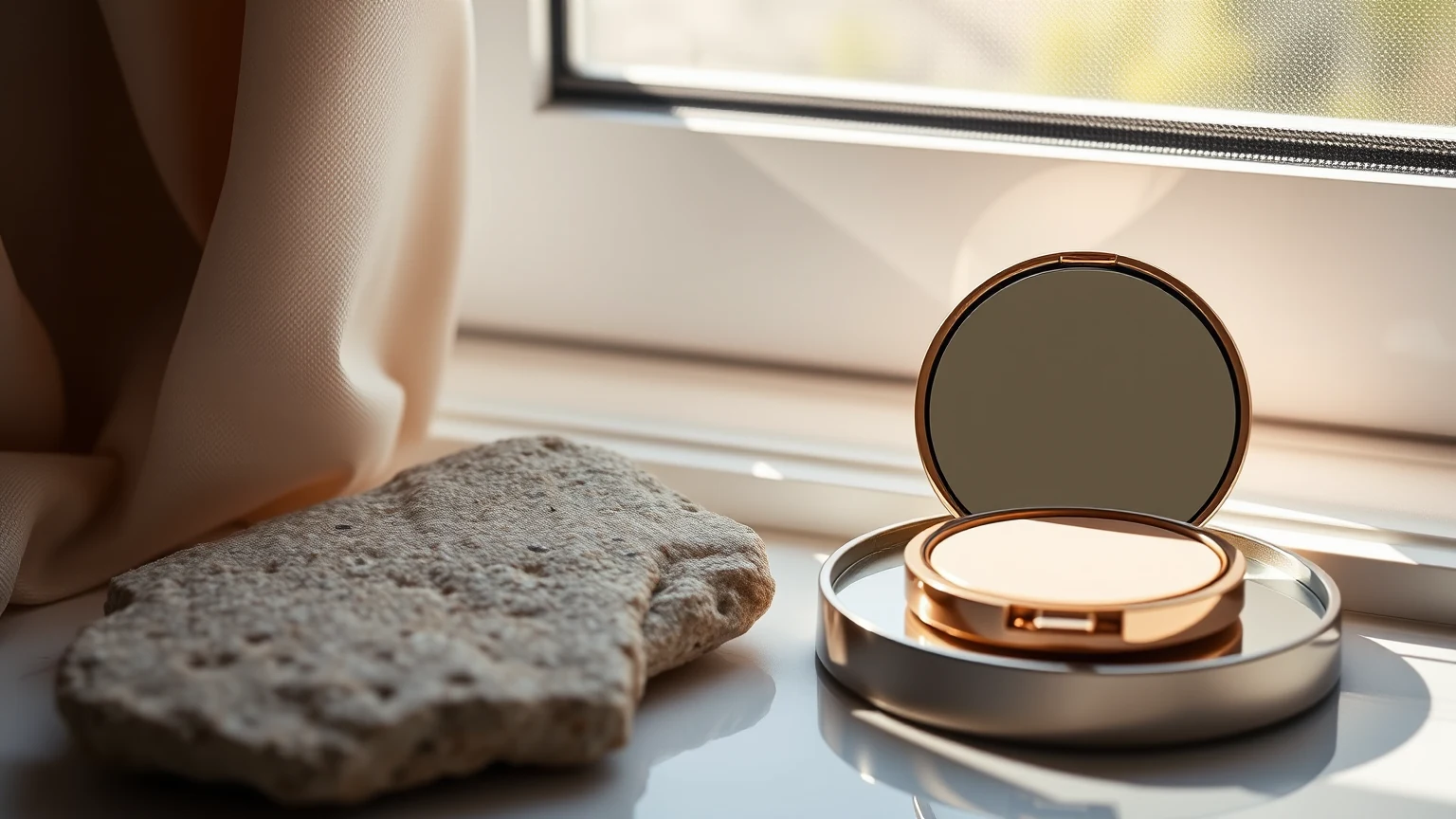
Window light, sun, shade, warm lamps, cool LEDs, fluorescent rooms, candlelight, stage light, flash, cameras, screens, mirrors, and low light can each reveal a different relationship among color, reflection, texture, and contrast. Ordinary light is not one universal condition, and daylight is not the sole honest view. Choose the settings that belong to the wearer’s life and intended image.
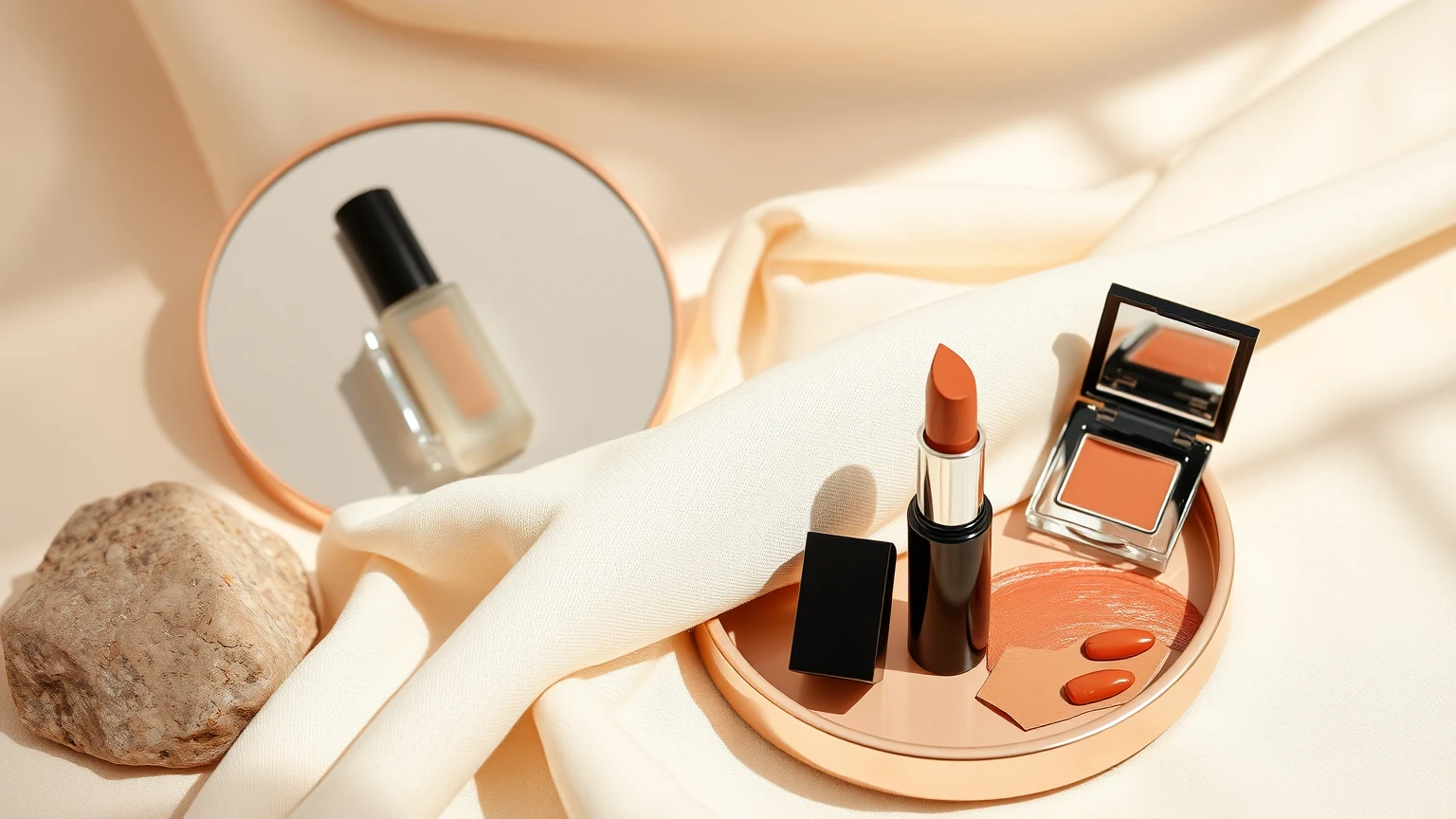
Observe Skin, Makeup, and Nails Together
Notice complexion color, visible skin, lips, cheeks, eyes, hands, nail color, decoration, clothing, hair, jewelry, and mobility equipment as one composition or as independent choices. A finish may appear flatter, brighter, deeper, more reflective, or less distinct from one view to another. Describe the change without deciding that one surface, light, camera, or wearer is the problem.
Read Exact Products Before Translating the Look
For every exact complexion, color, nail, setting, removal, and tool product, read the supplied formula or materials, intended use, directions, warnings, claims, shade description, package, price, availability, and date checked. Do not prescribe an unverified tint, cheek color, lip color, lacquer, or other product simply because its category matches the idea.
Use Comparison as a Creative Tool
Look once or compare several settings; photograph the look or keep it off camera; swatch where allowed or skip swatching; adjust shade, placement, opacity, finish, contrast, edge, or nothing. The purpose is not to pass a reality test. It is to understand how a chosen image travels and decide which versions the wearer wants to keep.
Include Cameras, Screens, and Perception Without Ranking Them
Camera processing, screen settings, color perception, vision, glare, reflection, distance, and surrounding colors can change what is available to see. Provide descriptions, labels, enlarged views, alternate images, controlled comparisons, and assistance where useful. A filtered, edited, theatrical, or screen-made image can still be an intentional beauty language when it is presented clearly.
Choose the View That Serves the Look
Wear the color in one setting, check it across many, adapt it for photography, design it for a stage, coordinate it with nails, let it shift through the day, or make no adjustment. Beauty does not become more authentic by being practical, subtle, repeatable, or approved by a particular light. The wearer chooses which view matters and why.
About Coyglow Editorial Studio
The Coyglow Editorial Studio connects skin, makeup, nails, and everyday decision-making with clarity, creativity, and practical choice.