Skin, makeup, and nails in one connected beauty system

Free express shipping on orders over $50

Take our personalized skin quiz

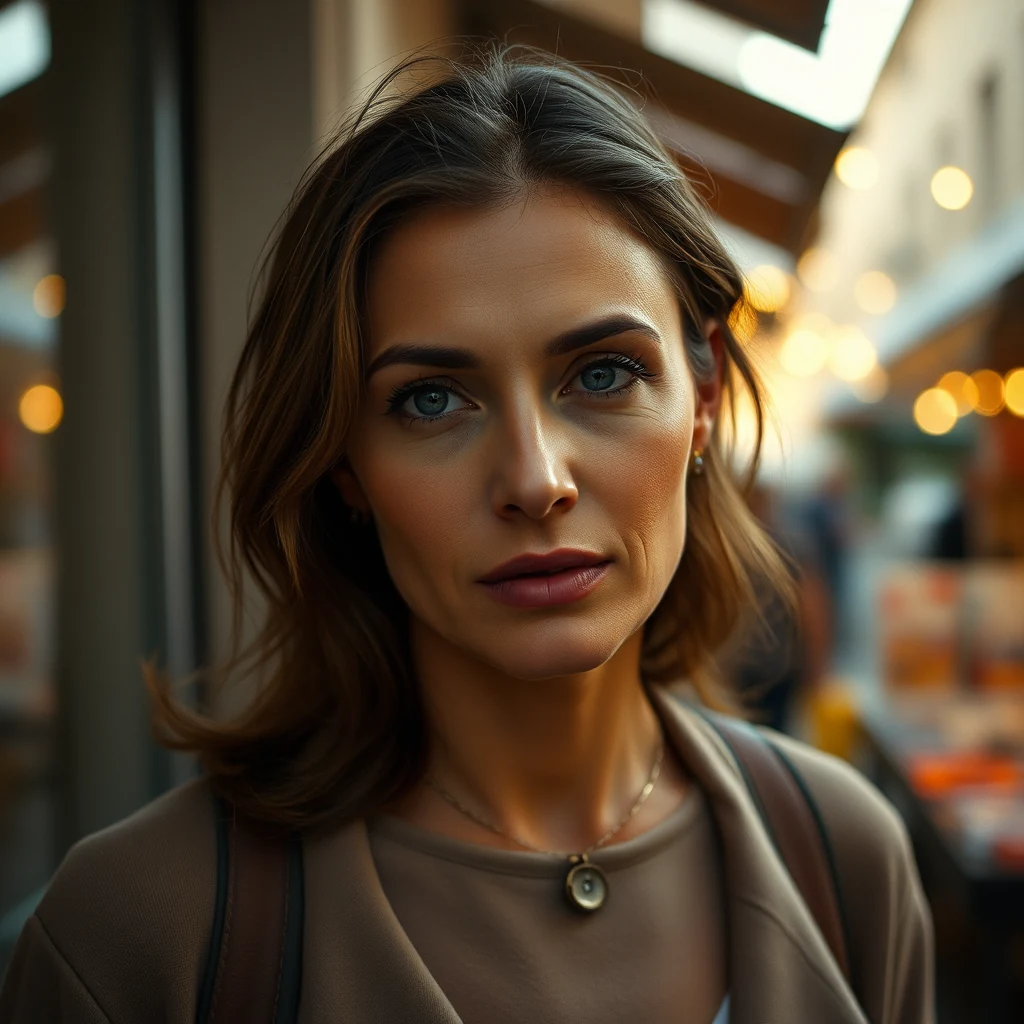
Sofia Vale — portrait

Olive undertone color edits

Sofia Vale

Madrid makeup creator known for wearable color on olive undertones and soft evening definition.

12 stories

Story

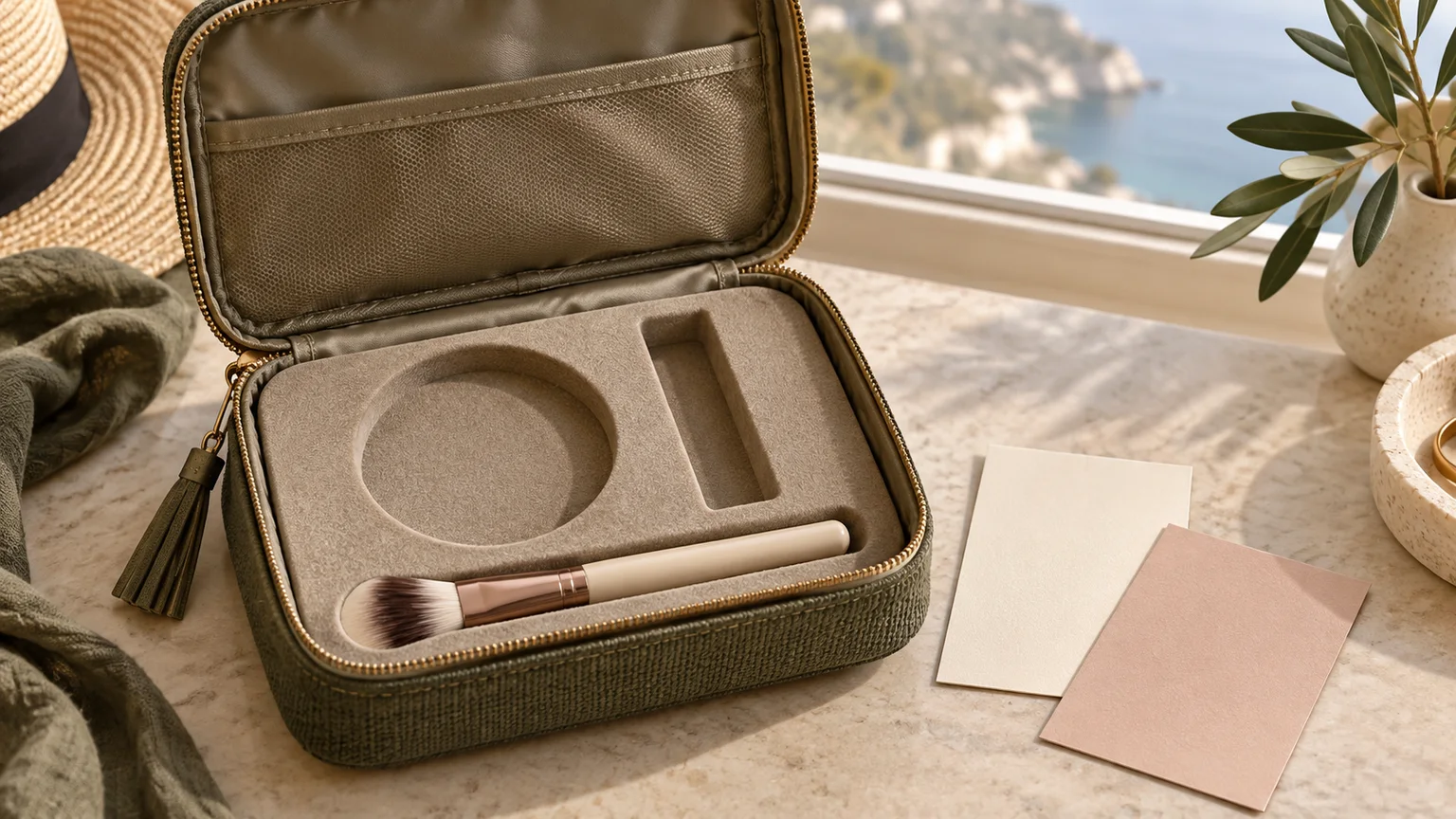
Choose One Compact and One Lip Color for an Olive-Tone Travel Edit
Choose One Compact and One Lip Color for an Olive-Tone Travel Edit

A compact travel makeup edit should begin with the actual day, not with a universal capsule for olive-leaning complexions. Choose one verified base format and one lip color already owned only if both serve a named need. Original labels, secure closures and destination lighting matter more than making every product look coordinated.

Define Two Jobs

The base may support a touch-up only where actual wear was observed; the lip may restore color after eating or conversation. Keep suitable clean tools and do not treat a compact as sun protection unless its exact label supplies that regulated role and directions. Check current carrier rules for the route rather than relying on a generic packing claim.

Coyglow has active base and lip formats, but the live inventory does not verify one olive-specific compact and lip pair. No products are linked. This avoids turning broad categories into a shade match, fixed bundle or travel recommendation unsupported by stocked SKU data.

Check Before Packing

View the chosen products in likely destination light before departure, keep them in identifiable packaging and store them as directed. If a base match changes under one room's lighting, compare again in a neutral reference before replacing it. The pouch can remain empty when no touch-up is expected. A useful travel edit reduces uncertainty without claiming that two products suit every depth, undertone or itinerary.

Questions About This Edit

Is there one compact-and-lip pair for every olive complexion?

No. Actual shade, depth, opacity, light and personal touch-up needs differ.

Can a makeup compact automatically replace sunscreen?

No. Follow the exact sunscreen label and keep protection as a separate direction-led decision.

Label and intended-use reference: FDA Cosmetics Labeling Guide | FDA guidance for using cosmetics safely.

Explore the makeup studio | Shop makeup | Read the beauty guides
Story

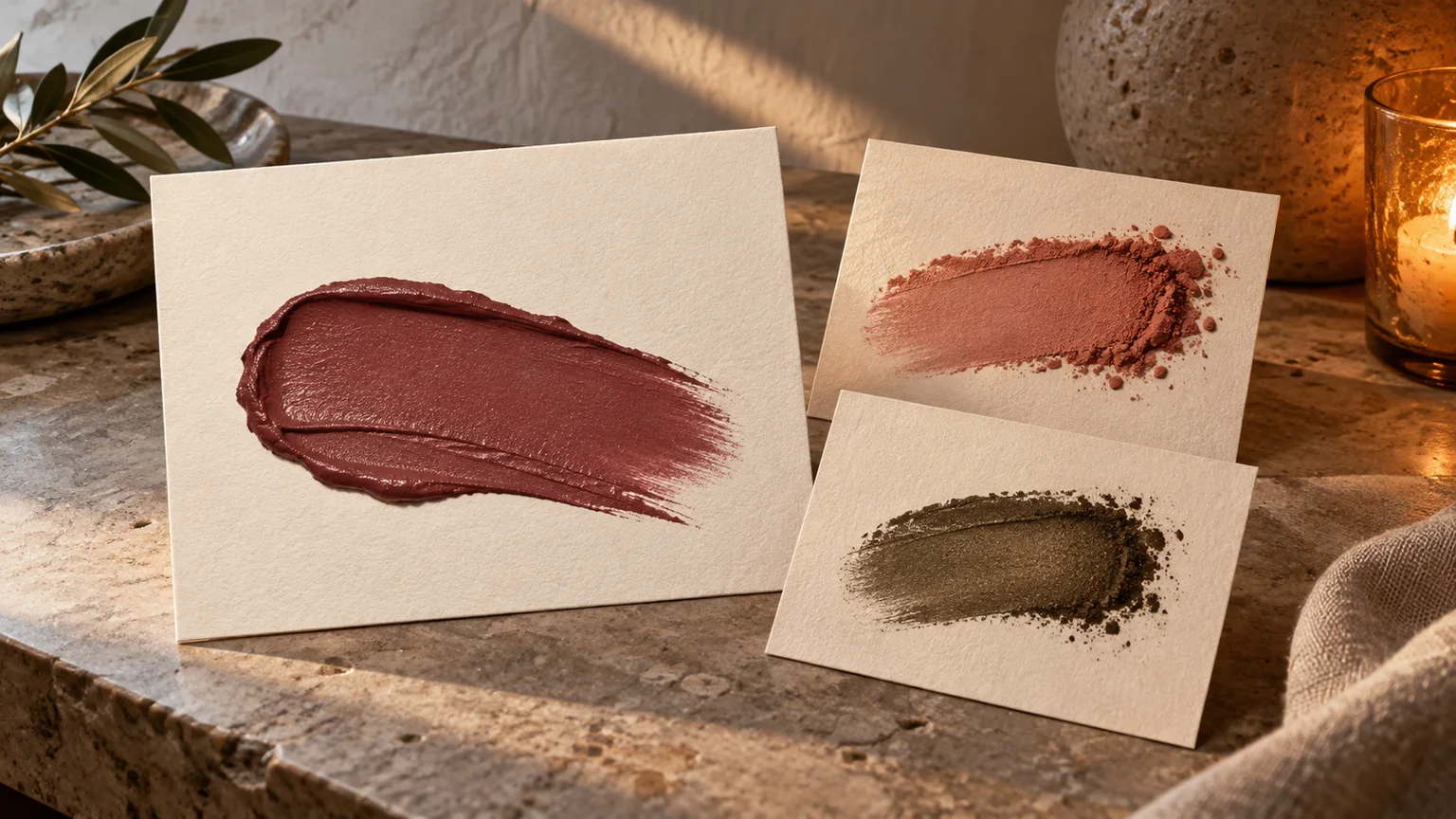
Blur the Inner Edge of a Muted Evening Lip

Blur the Inner Edge of a Muted Evening Lip

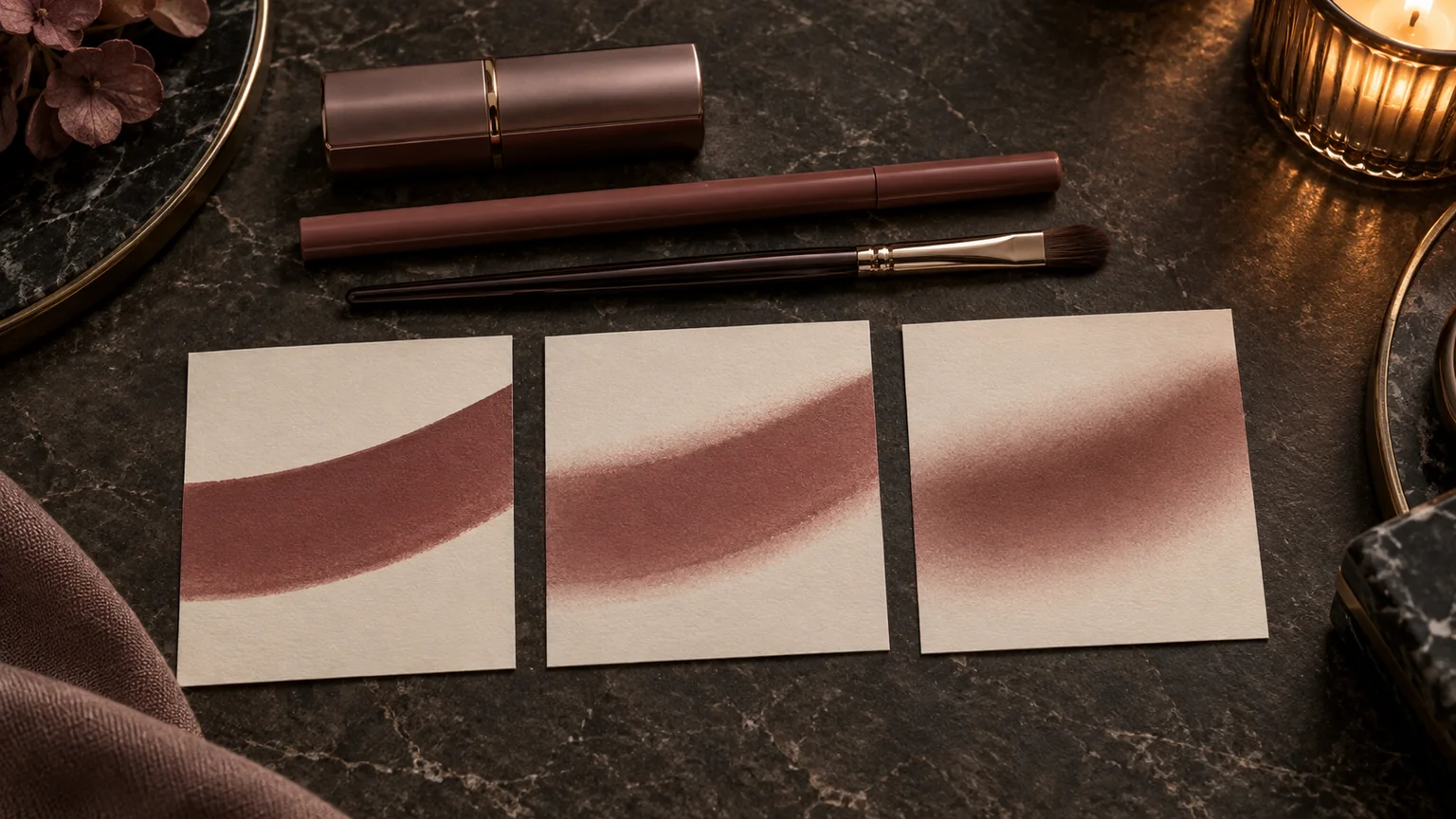
Blurring the inner edge of an evening lip is different from drawing outside the natural lip border. The technique softens the transition between liner and center color while keeping the outer boundary controlled. It can be used with many hues and is not an olive-undertone requirement.

Build From the Natural Border

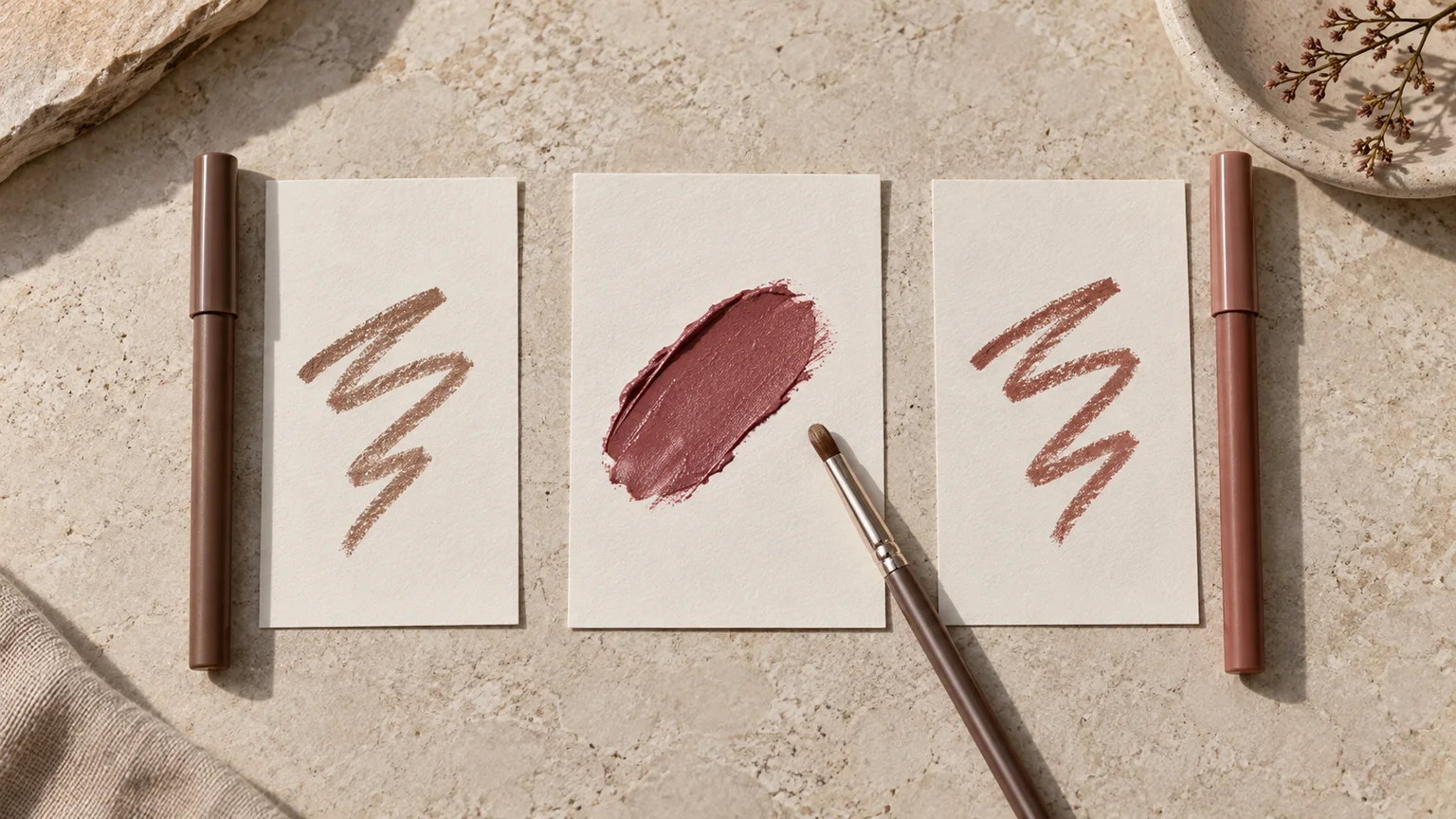
Use a suitable lip liner in short strokes along the natural border. Apply the intended lip color inside it, then use a clean lip brush to soften only the inner meeting point. Inspect with the mouth relaxed as well as moving. Do not use eye-only pencils or sharp improvised tools on the lips.

Coyglow Velvet Lipstick is linked as an active lip-color format, but no live shade or liner record proves the muted evening combination shown in this editorial. The link is not evidence of a stocked kit, transfer resistance or a particular result on olive-leaning lips.

Stop Before the Edge Disappears

Step back to conversation distance and check whether the outer border remains where intended while the center transition looks softer. If the color spreads beyond the border, remove excess with a suitable method rather than extending the line to create symmetry. Mouth movement and natural lip texture remain visible. Record exact products and light before presenting any demonstration as repeatable.

Questions About This Edit

Is a blurred lip the same as overlining?

No. This method softens the inner transition while retaining the natural outer border.

Can an eye pencil be used for the lip outline?

Only when its label explicitly permits lip use; otherwise choose a suitable lip product.

Label and intended-use reference: FDA guidance for using cosmetics safely.

Explore the makeup studio | Shop makeup | Read the beauty guides
Story

Troubleshoot a Gray-Looking Lip Color on an Olive-Leaning Complexion

Troubleshoot a Gray-Looking Lip Color on an Olive-Leaning Complexion

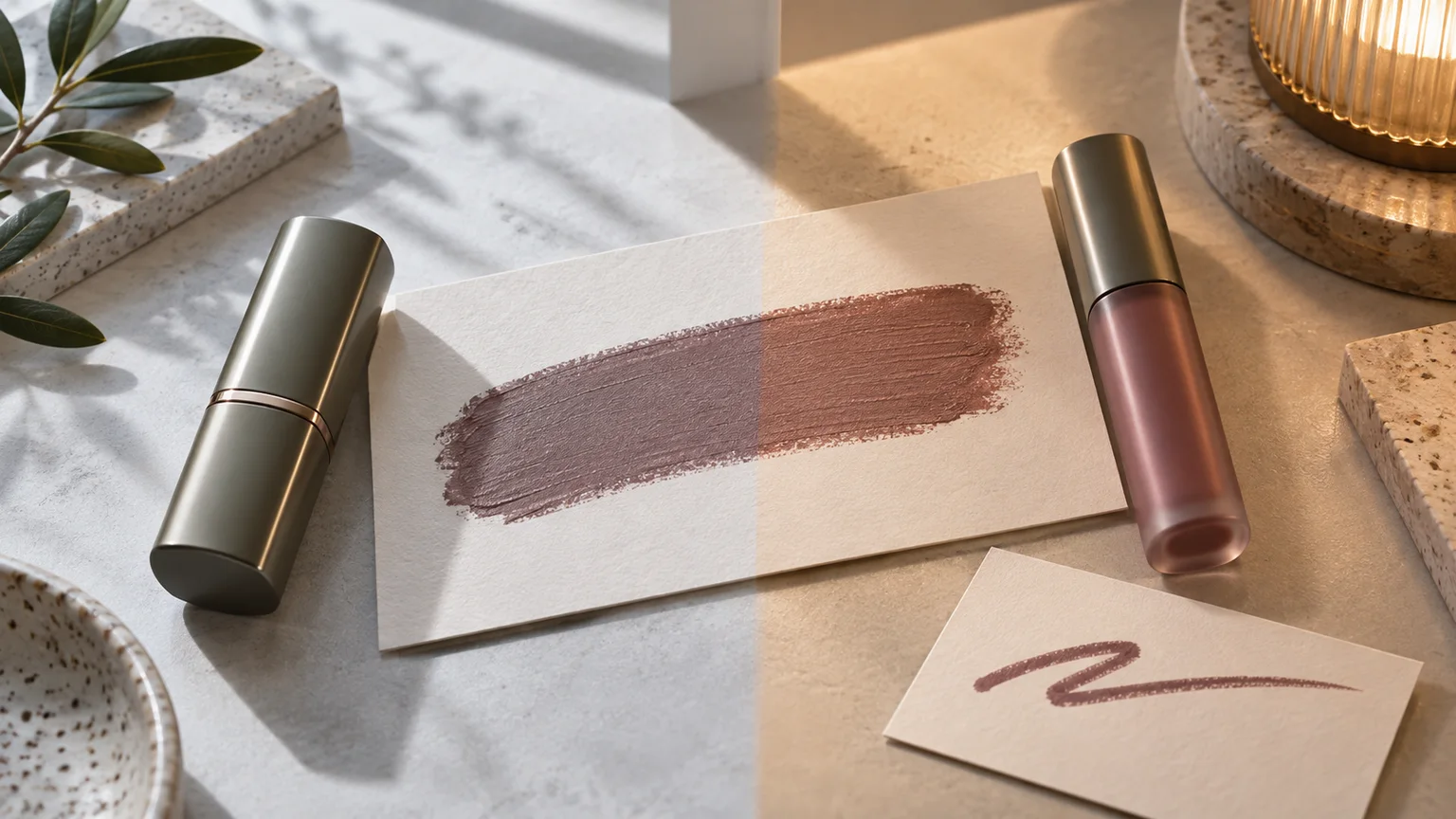
A lip color that looks gray on an olive-leaning complexion is an observation, not a diagnosis and not proof that every cool shade is unsuitable. Separate four variables: the product's actual hue, its opacity, natural lip pigment and the lighting. A warm liner is not a universal correction for all four.

Rebuild the Comparison

Apply the lip product alone according to its directions and view it in indirect daylight plus the usual indoor light. Then, on a separate trial, change one variable such as opacity or a suitable liner. Keep the lip border natural and use clean lip tools. Do not erase natural pigment to force the package swatch to appear identical.

Coyglow Velvet Lipstick and Coyglow Second-Skin Lip Tint are linked only as two active lip-color formats. Neither has a live SKU naming the gray-looking shade or a verified olive-specific option. The article therefore does not recommend a particular color, claim correction or suggest that the two products form a routine.

Name What Changed

Record whether the product became more muted, cooler, lighter or less distinct from the natural lip under the stated light. If a liner changes the result, attribute that observation to the exact products and method rather than announcing a universal fix. The valid conclusion can be to alter opacity, choose another verified hue, keep the muted effect or make no purchase.

Questions About This Edit

Does a gray-looking lip mean every cool shade should be avoided?

No. Product hue, opacity, natural lip pigment and lighting must be separated.

Will a warm liner always correct a muted lip?

No. Test one suitable liner with the exact lip product before drawing a product-specific conclusion.

Label and intended-use reference: FDA guidance for using cosmetics safely.

Explore the makeup studio | Shop makeup | Read the beauty guides
Story

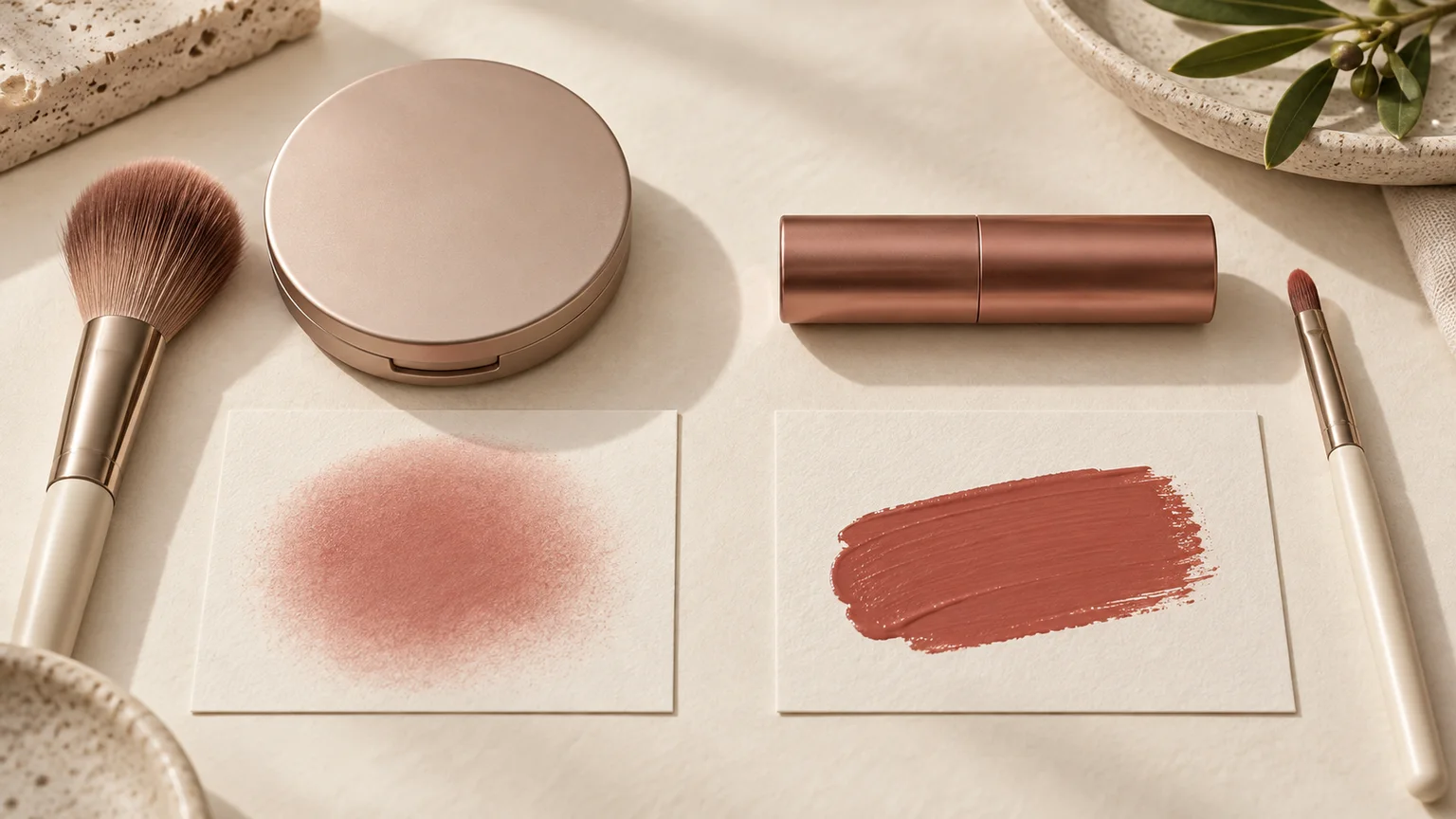
One color, used twice, can make makeup feel intentional

One color, used twice, can make makeup feel intentional

One color, used twice, can make makeup feel intentional

Olive undertones punish lazy color. A shade can be beautiful in the tube and still go theatrical on the face. For this one, the useful phrase is monochrome makeup, but the real test is simpler: does the color still belong to the face once the window light gets involved?

What I Check First

I start by taking down one variable. If the base is fresh, I keep powder away from moving skin. When the lip leads, the cheek steps back to a whisper. When everything competes, the face starts looking edited in the wrong direction.

The habit that stuck: place pigment where the face already has shape, then stop before the product becomes the point.

What I Would Buy Again

Daylight first. Powder less. Let one feature lead.

  • monochrome makeup
  • Wear through a full day
  • Nothing that looks applied

Look

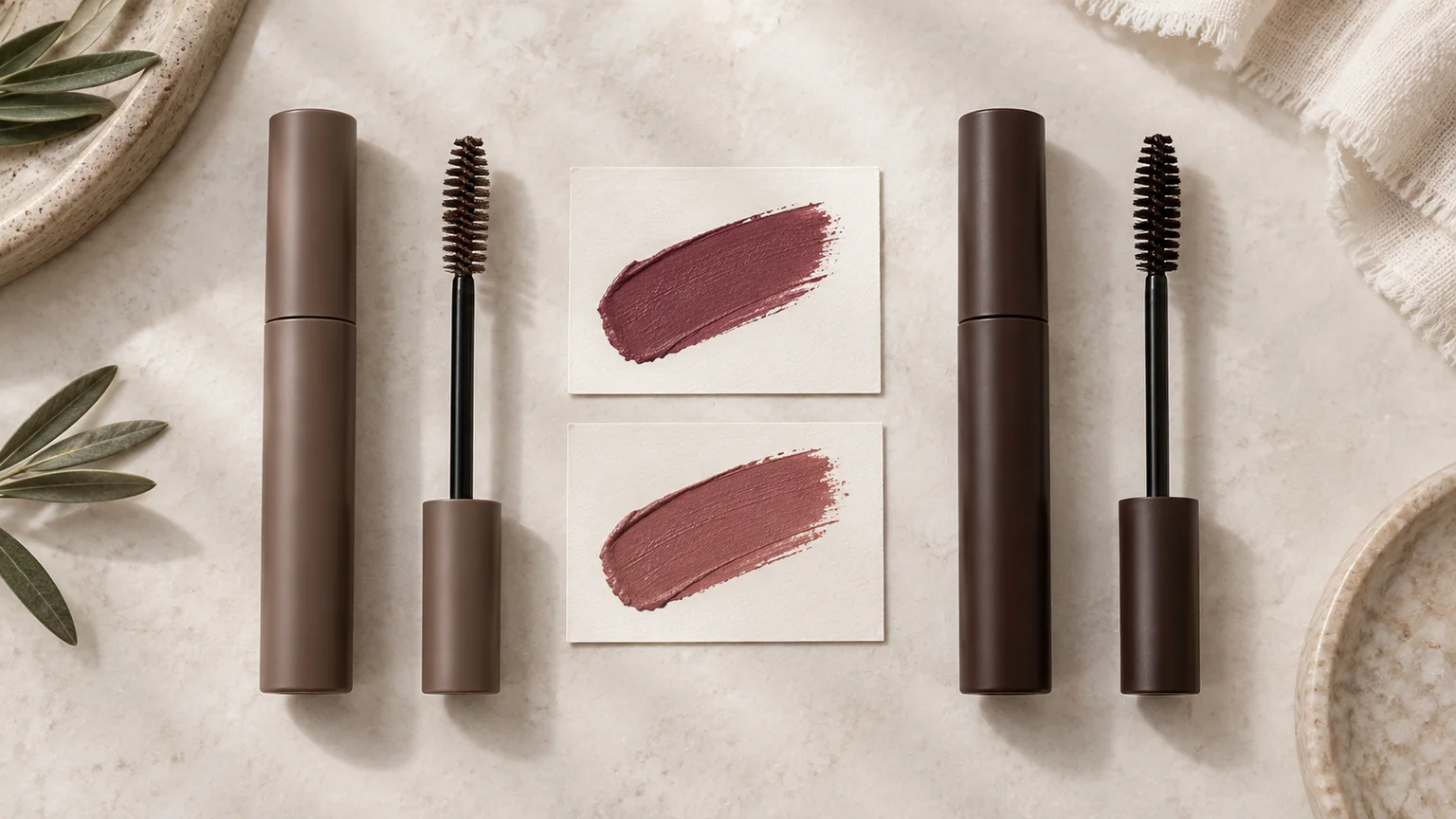
Brown mascara makes some faces look more awake

Brown mascara makes some faces look more awake

Brown mascara makes some faces look more awake

Olive undertones punish lazy color. A shade can be beautiful in the tube and still go theatrical on the face. For this one, the useful phrase is brown mascara, but the real test is simpler: does the color still belong to the face once the window light gets involved?

What I Check First

I start by taking down one variable. I powder the least movable real estate and let the rest breathe. The cheek supports the lip the way a good bassline supports a vocal. When everything competes, the face starts looking edited in the wrong direction.

My working assumption: place pigment where the face already has shape, then stop before the product becomes the point.

What Stays On My Shelf

Daylight first. Powder less. Let one feature lead.

  • brown mascara
  • How it wore by evening
  • A finish that still reads as skin

Routine

My powder map is smaller than it used to be

My powder map is smaller than it used to be

My powder map is smaller than it used to be

Olive undertones punish lazy color. A shade can be beautiful in the tube and still go theatrical on the face. For this one, the useful phrase is powder placement, but the real test is simpler: does the color still belong to the face once the window light gets involved?

What I Check First

I start by taking down one variable. I powder the least movable real estate and let the rest breathe. If the lip line is doing the work, I soften the cheek. Too many focal points and the face reads like a draft nobody approved.

The habit that stuck: place pigment where the face already has shape, then stop before the product becomes the point.

What I Would Keep

Daylight first. Powder less. Let one feature lead.

  • powder placement
  • Wear, honestly noted
  • A finish that still looks human

Review

Undertone is the edit before the shade

Undertone is the edit before the shade

Undertone is the edit before the shade

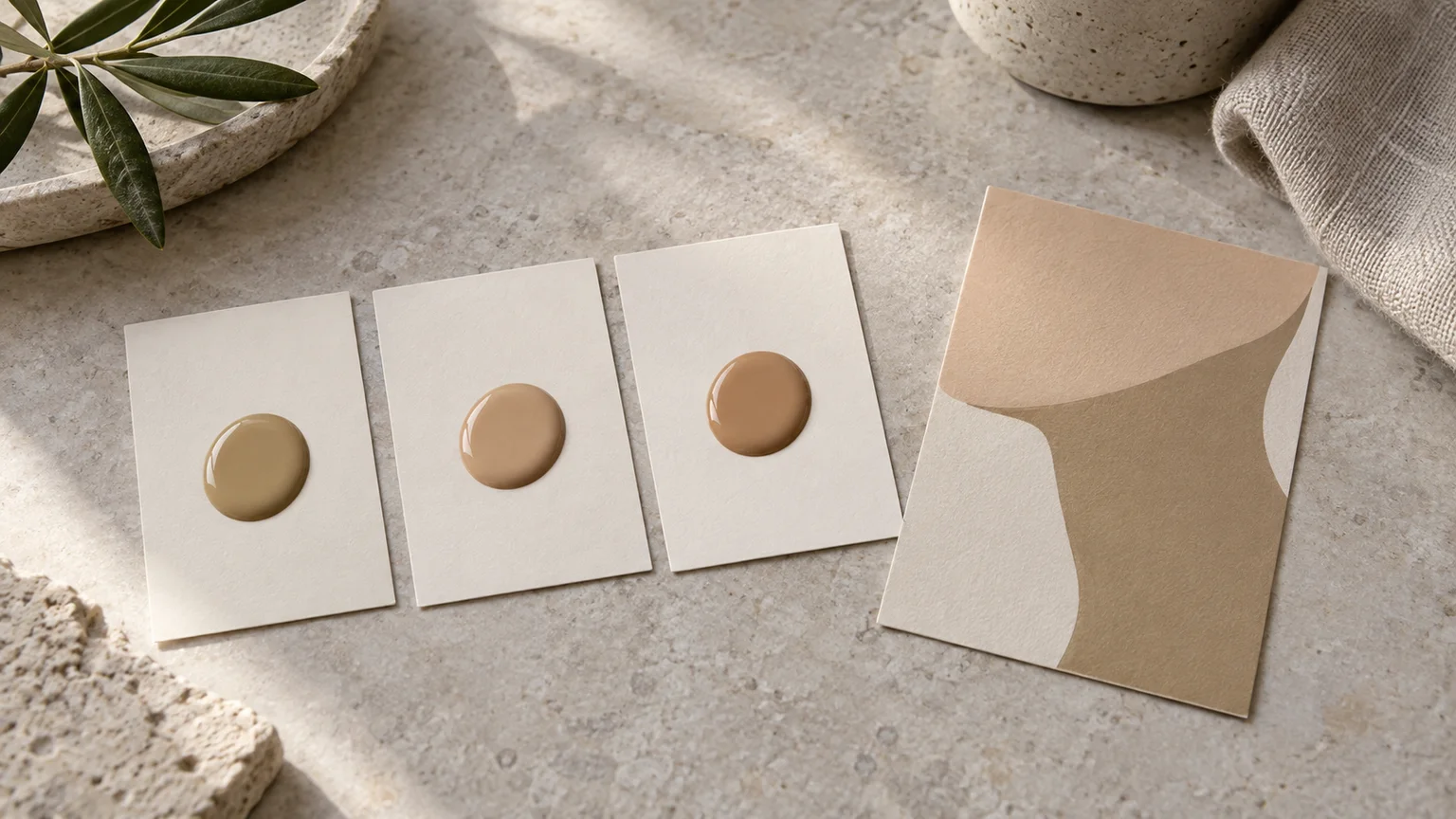
Olive undertones punish lazy color. A shade can be beautiful in the tube and still go theatrical on the face. For this one, the useful phrase is olive undertone makeup, but the real test is simpler: does the color still belong to the face once the window light gets involved?

What I Check First

I start by taking down one variable. When skin is good, powder gets one small job near the T-zone and nothing else. Strong lip, quiet cheek — the two negotiate, they never shout together. Overworked faces do not look richer; they look negotiated.

After a season of testing: place pigment where the face already has shape, then stop before the product becomes the point.

What I Actually Rebuy

Daylight first. Powder less. Let one feature lead.

  • olive undertone makeup
  • How it survived the day
  • A finish with movement

Story

The evening face I keep sheer at the center

The evening face I keep sheer at the center

The evening face I keep sheer at the center

Olive undertones punish lazy color. A shade can be beautiful in the tube and still go theatrical on the face. For this one, the useful phrase is evening makeup, but the real test is simpler: does the color still belong to the face once the window light gets involved?

What I Check First

I start by taking down one variable. I powder the least movable real estate and let the rest breathe. If the lip line is doing the work, I soften the cheek. Overworked faces do not look richer; they look negotiated.

My working assumption: place pigment where the face already has shape, then stop before the product becomes the point.

Still Here After A Year

Daylight first. Powder less. Let one feature lead.

  • evening makeup
  • The commute test
  • Something that survives a mirror check

Look

A lip line can be quiet and still do the work

A lip line can be quiet and still do the work

A lip line can be quiet and still do the work

Olive undertones punish lazy color. A shade can be beautiful in the tube and still go theatrical on the face. For this one, the useful phrase is lip liner placement, but the real test is simpler: does the color still belong to the face once the window light gets involved?

What I Check First

I start by taking down one variable. If the base is fresh, I keep powder away from moving skin. If the lip line is doing the work, I soften the cheek. Overworked faces do not look richer; they look negotiated.

The shortcut I trust: place pigment where the face already has shape, then stop before the product becomes the point.

What Survived The Cull

Daylight first. Powder less. Let one feature lead.

  • lip liner placement
  • Evening wear check
  • The un-done finish

Routine

Soft matte is a placement decision

Soft matte is a placement decision

Soft matte is a placement decision

Olive undertones punish lazy color. A shade can be beautiful in the tube and still go theatrical on the face. For this one, the useful phrase is soft matte makeup, but the real test is simpler: does the color still belong to the face once the window light gets involved?

What I Check First

I start by taking down one variable. If the base is fresh, I keep powder away from moving skin. One focal point per face; today the lip wins and the cheek applauds quietly. Too many focal points and the face reads like a draft nobody approved.

What finally worked: place pigment where the face already has shape, then stop before the product becomes the point.

What Earned Its Place

Daylight first. Powder less. Let one feature lead.

  • soft matte makeup
  • How it held up outside
  • A finish that behaves like skin

Look

Cream blush should look like temperature, not decoration

Cream blush should look like temperature, not decoration

Cream blush should look like temperature, not decoration

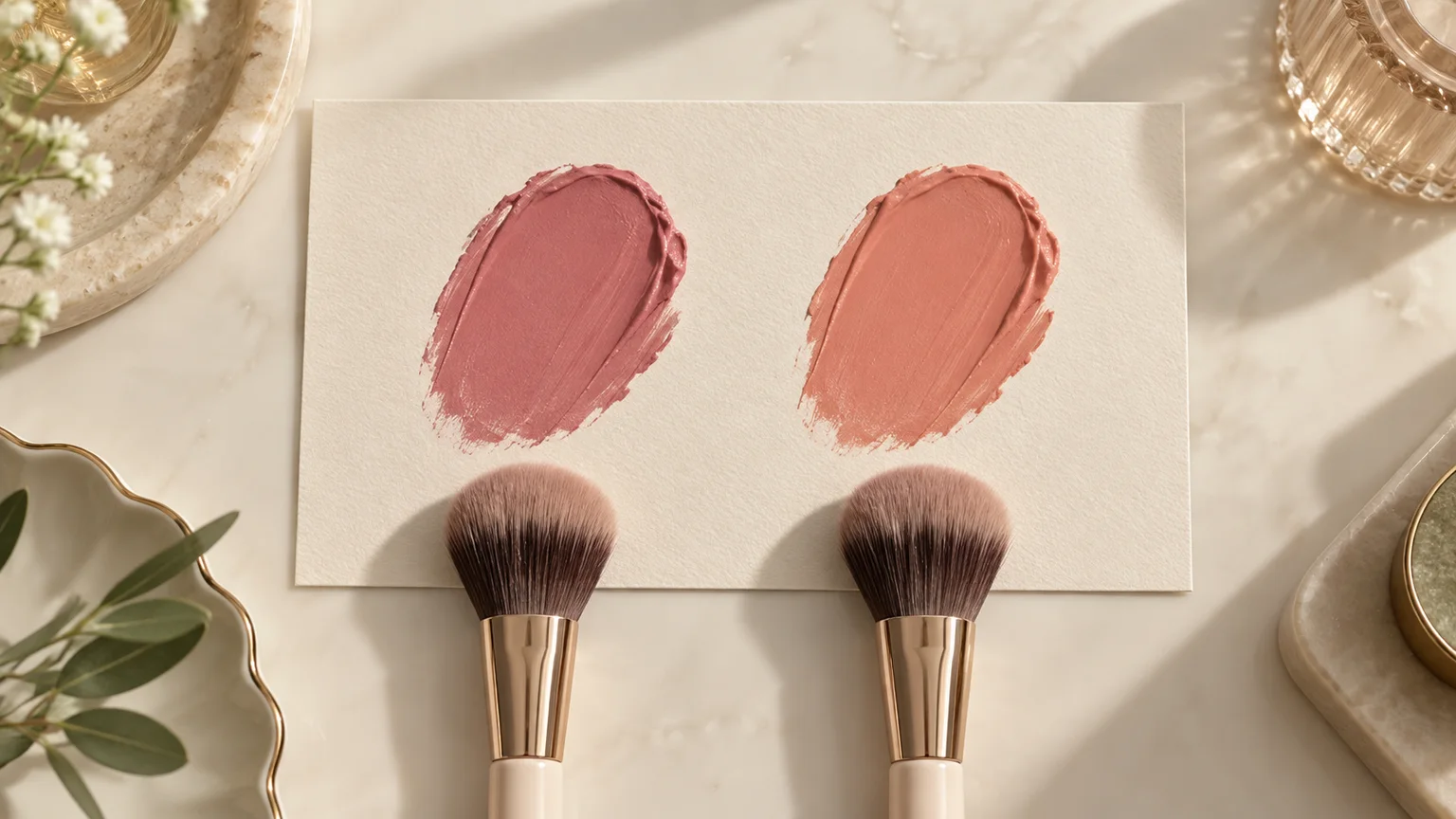
Olive undertones punish lazy color. A shade can be beautiful in the tube and still go theatrical on the face. For this one, the useful phrase is daylight shade match, but the real test is simpler: does the color still belong to the face once the window light gets involved?

What I Check First

I start by taking down one variable. When skin is good, powder gets one small job near the T-zone and nothing else. One focal point per face; today the lip wins and the cheek applauds quietly. When everything competes, the face starts looking edited in the wrong direction.

My working assumption: place pigment where the face already has shape, then stop before the product becomes the point.

The Keepers

Daylight first. Powder less. Let one feature lead.

  • daylight shade match
  • The after-hours verdict
  • Texture over coverage

Story

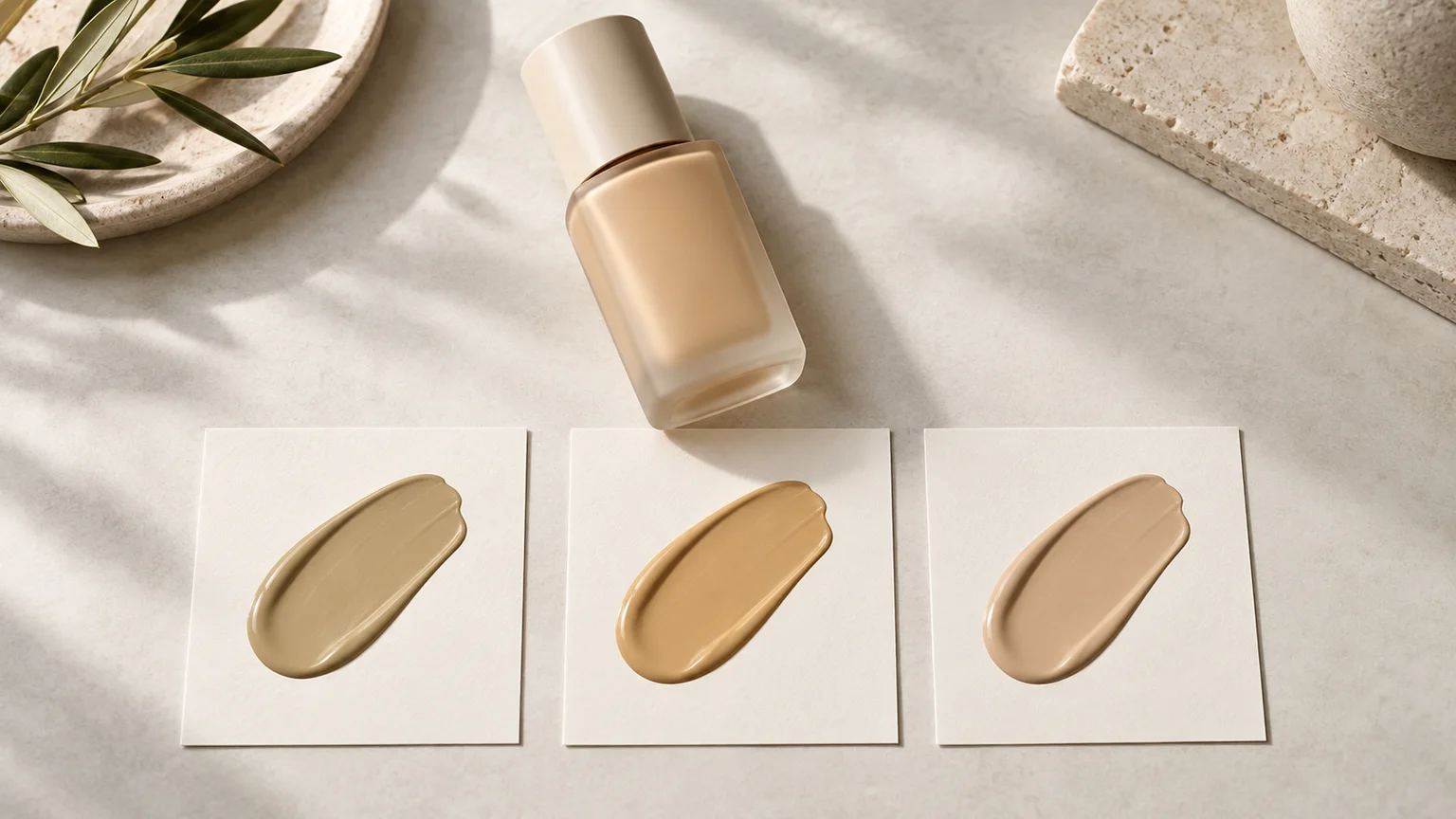
The daylight base check that changed how I buy complexion

The daylight base check that changed how I buy complexion

The daylight base check that changed how I buy complexion

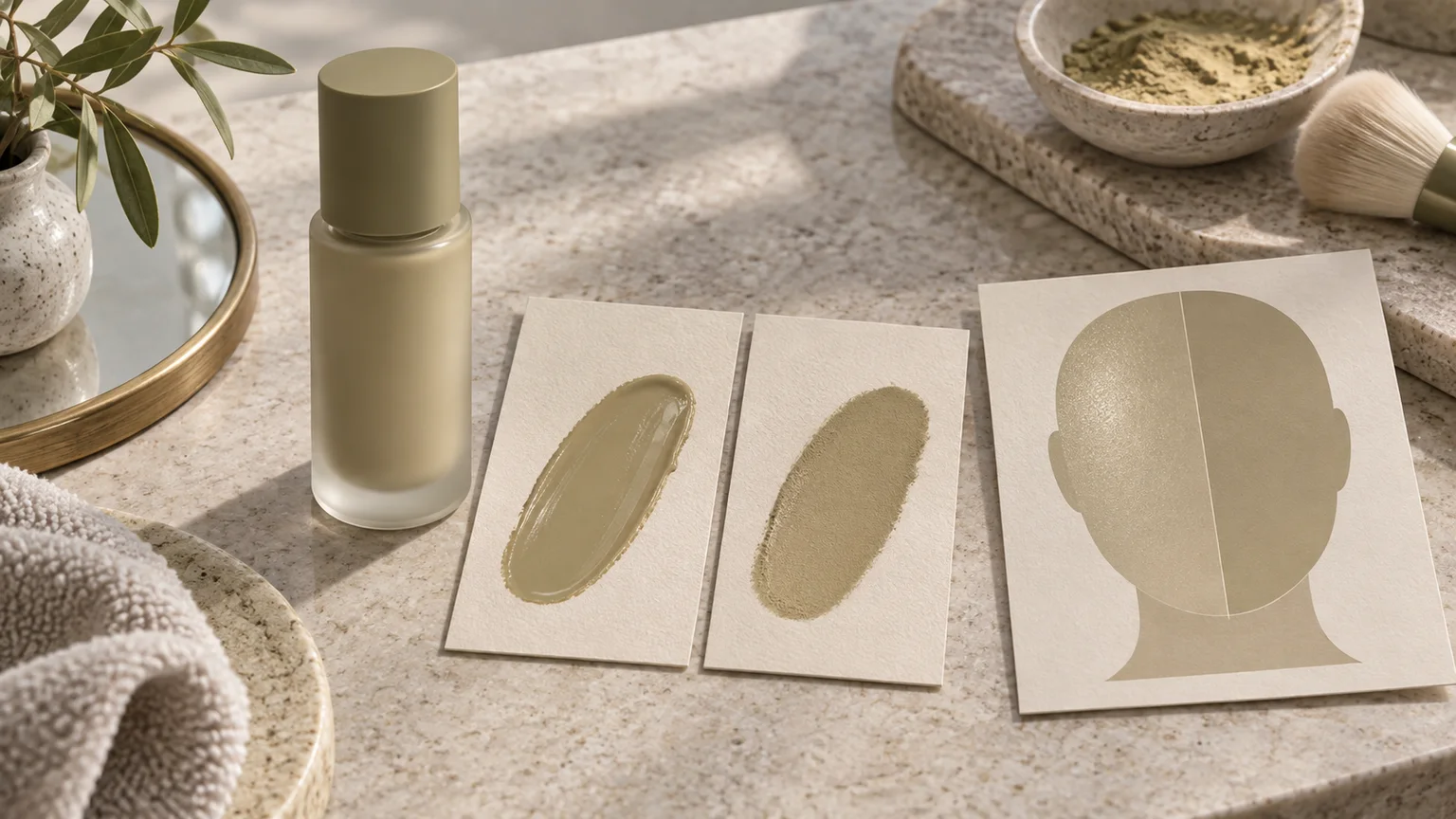
Olive undertones punish lazy color. A shade can be beautiful in the tube and still go theatrical on the face. For this one, the useful phrase is skin-first makeup, but the real test is simpler: does the color still belong to the face once the window light gets involved?

What I Check First

I start by taking down one variable. When skin is good, powder gets one small job near the T-zone and nothing else. Strong lip, quiet cheek — the two negotiate, they never shout together. When everything competes, the face starts looking edited in the wrong direction.

My working assumption: place pigment where the face already has shape, then stop before the product becomes the point.

What I Would Buy Again

Daylight first. Powder less. Let one feature lead.

  • skin-first makeup
  • Wear through a full day
  • Nothing that looks applied