Beauty glossary
A clear, beauty-native guide to skin, makeup, nail, texture, finish, and routine language.
Written for real decisions at the mirror: precise enough to be useful, restrained enough to stay in beauty care territory.

Skin Barrier Function
What the skin barrier is, why it matters, and how to tell when it's compromised.
Transepidermal Water Loss (TEWL)
The science of how skin loses water and why it drives dehydration.
Skin pH
Why the acid mantle matters and how products affect your skin's pH.
Retinization
The adjustment period when starting retinoids — what to expect and how to manage it.
Comedogenic Ratings
What comedogenicity means and how to read ingredient ratings.
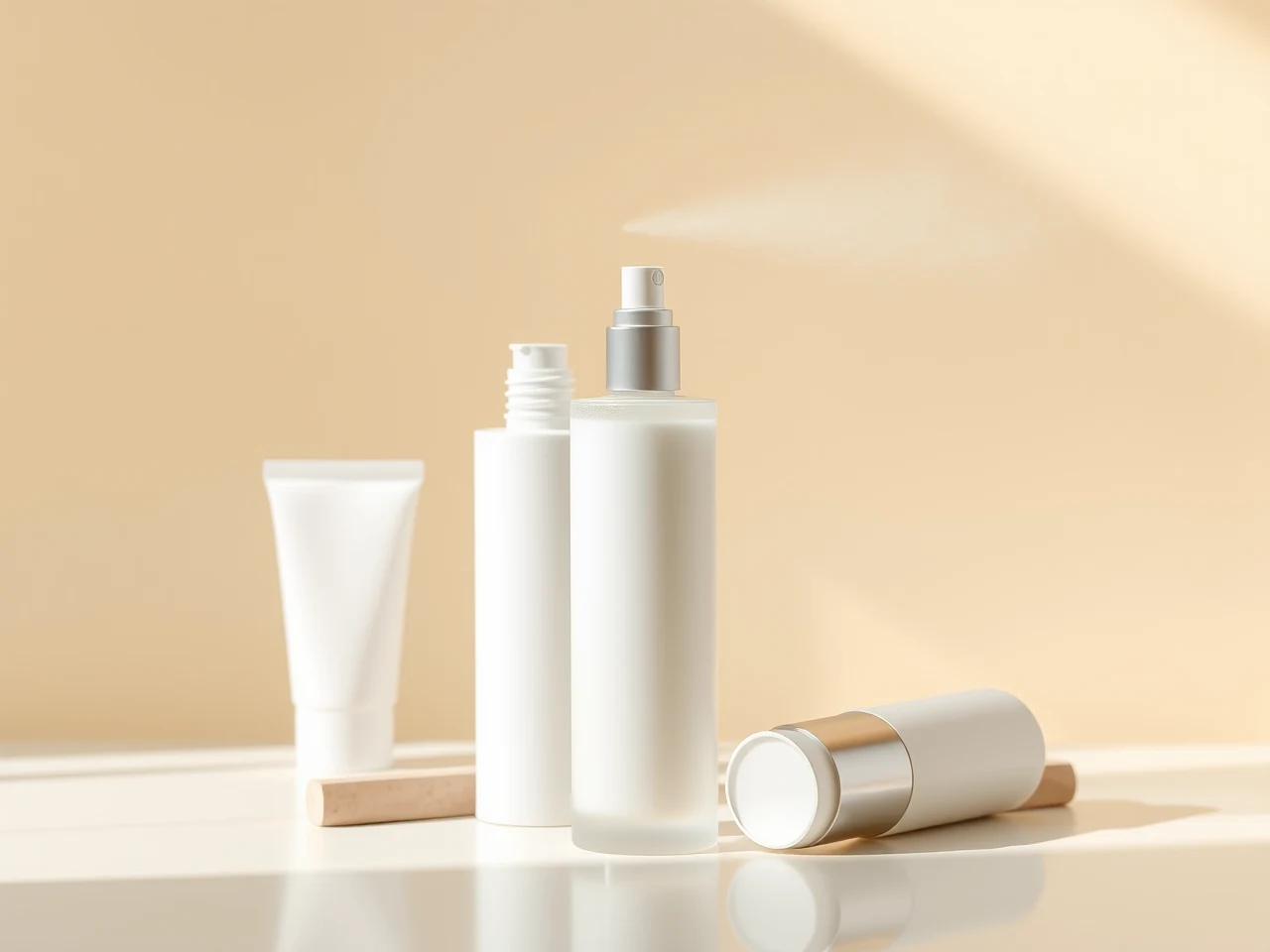
Humectants
The water-magnet family — glycerin, panthenol, hyaluronic acid — and how they pull moisture into the upper skin layers.
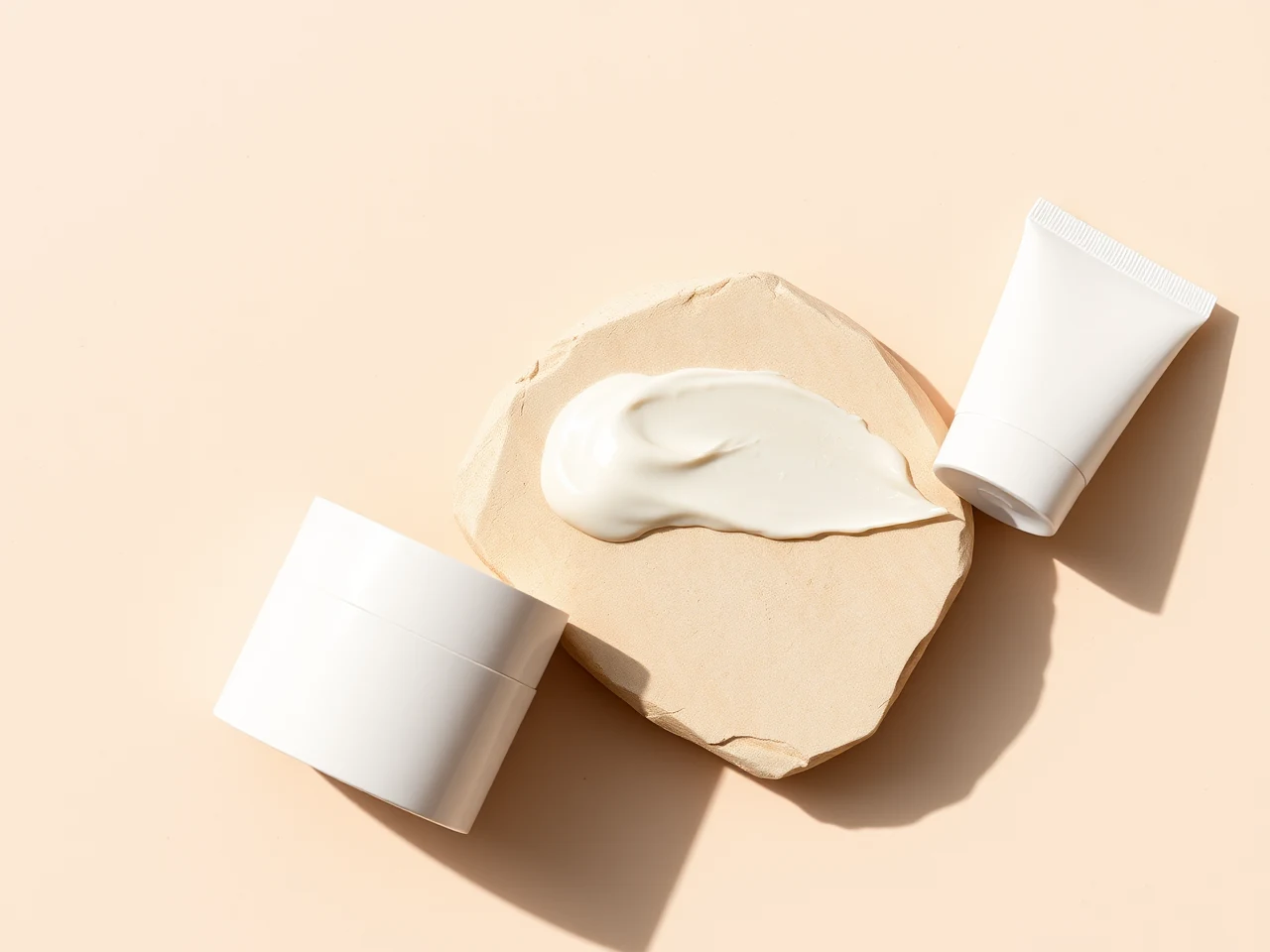
Emollients
The softeners — lipids and oils that smooth rough, flaking skin by filling the gaps between corneocytes.
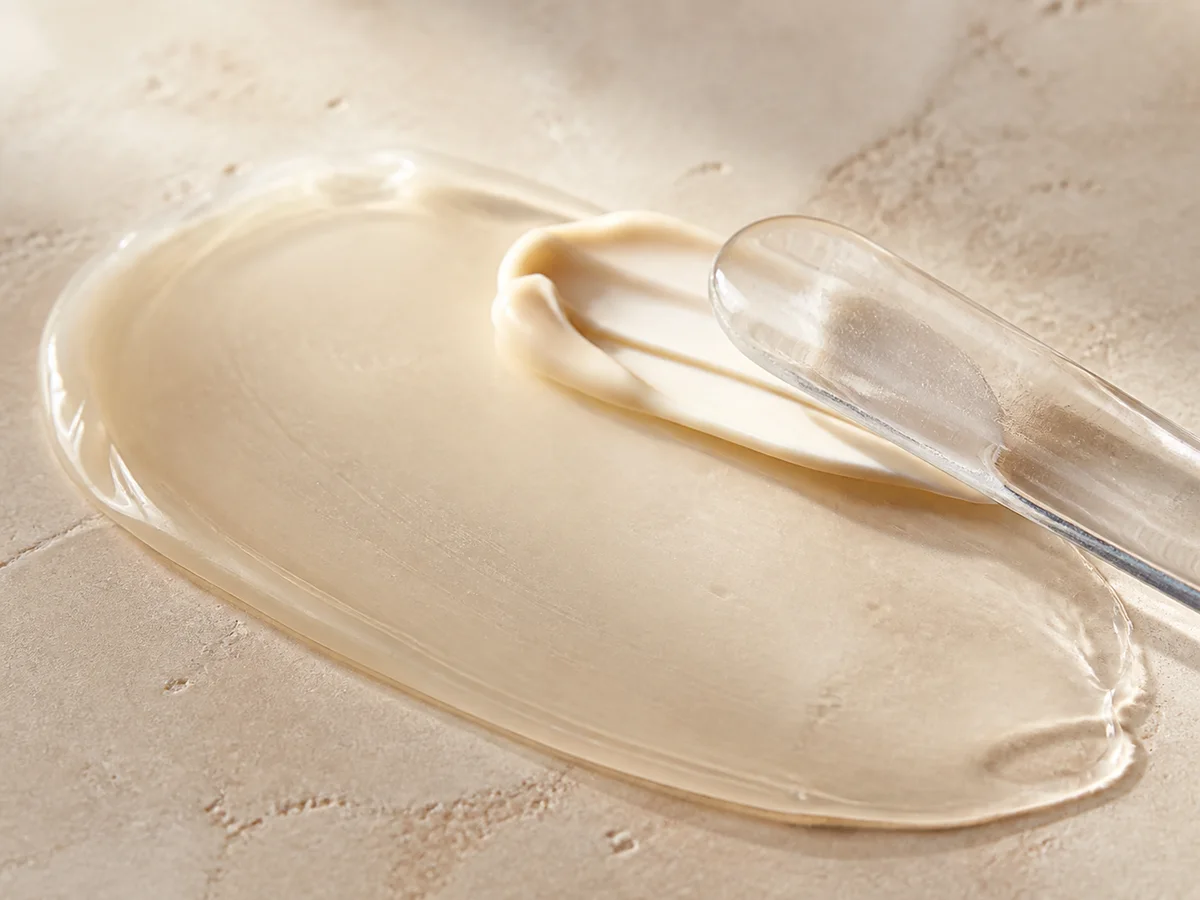
Occlusives
The sealers — ingredients that form a physical film over skin to stop water from evaporating.

Skin Cycling
A four-night rotation — active, active, recovery, recovery — that spaces strong actives so skin can repair between doses.
Double Cleansing
Oil first, then water — the two-step cleanse that removes sunscreen and sebum without stripping.
How to Read an INCI List
The ingredient deck on every cosmetic — what the order means, what percentages are disclosed, and what marketing names hide.
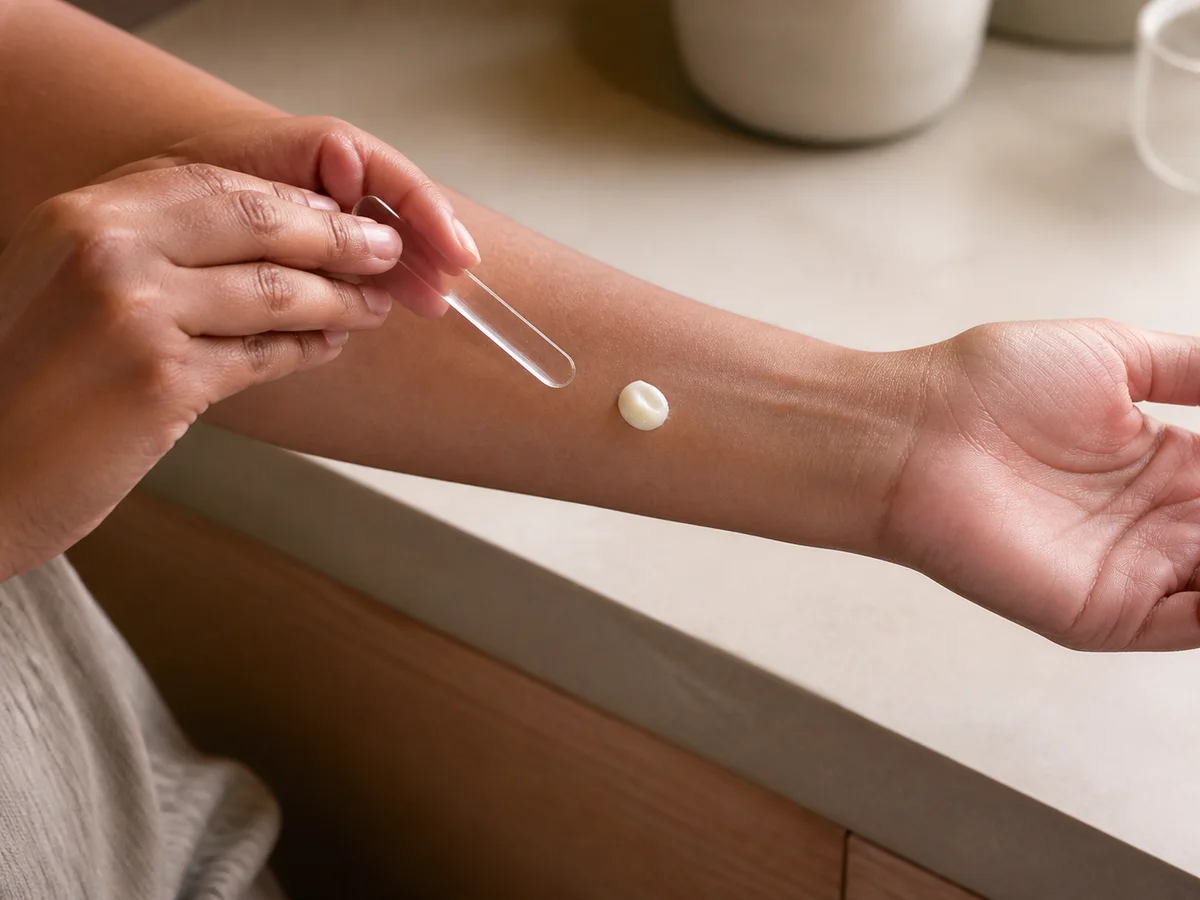
Patch Testing
A simple compatibility check before a new formula reaches the face.
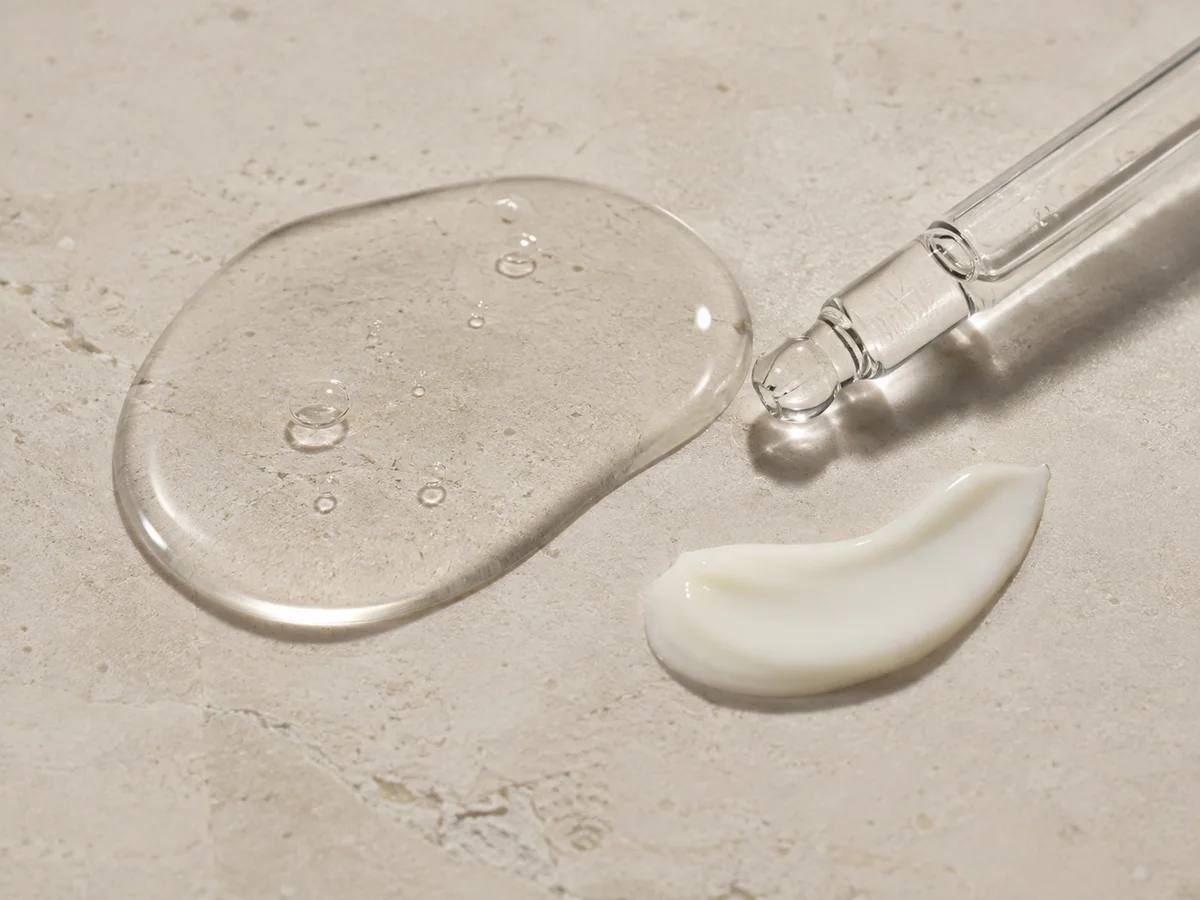
Niacinamide (Vitamin B3)
The quiet overachiever of modern skincare.
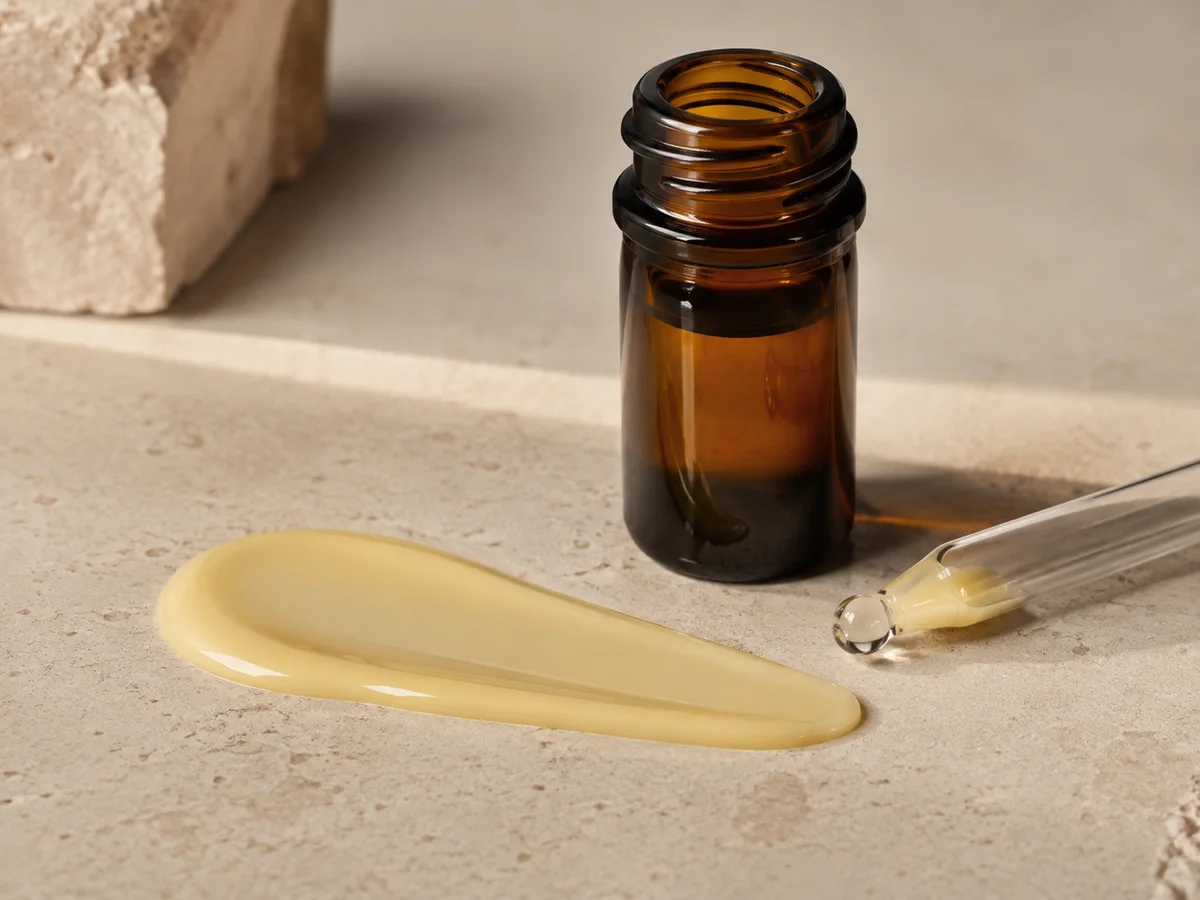
Retinal (Retinaldehyde)
One conversion step from prescription-strength results.
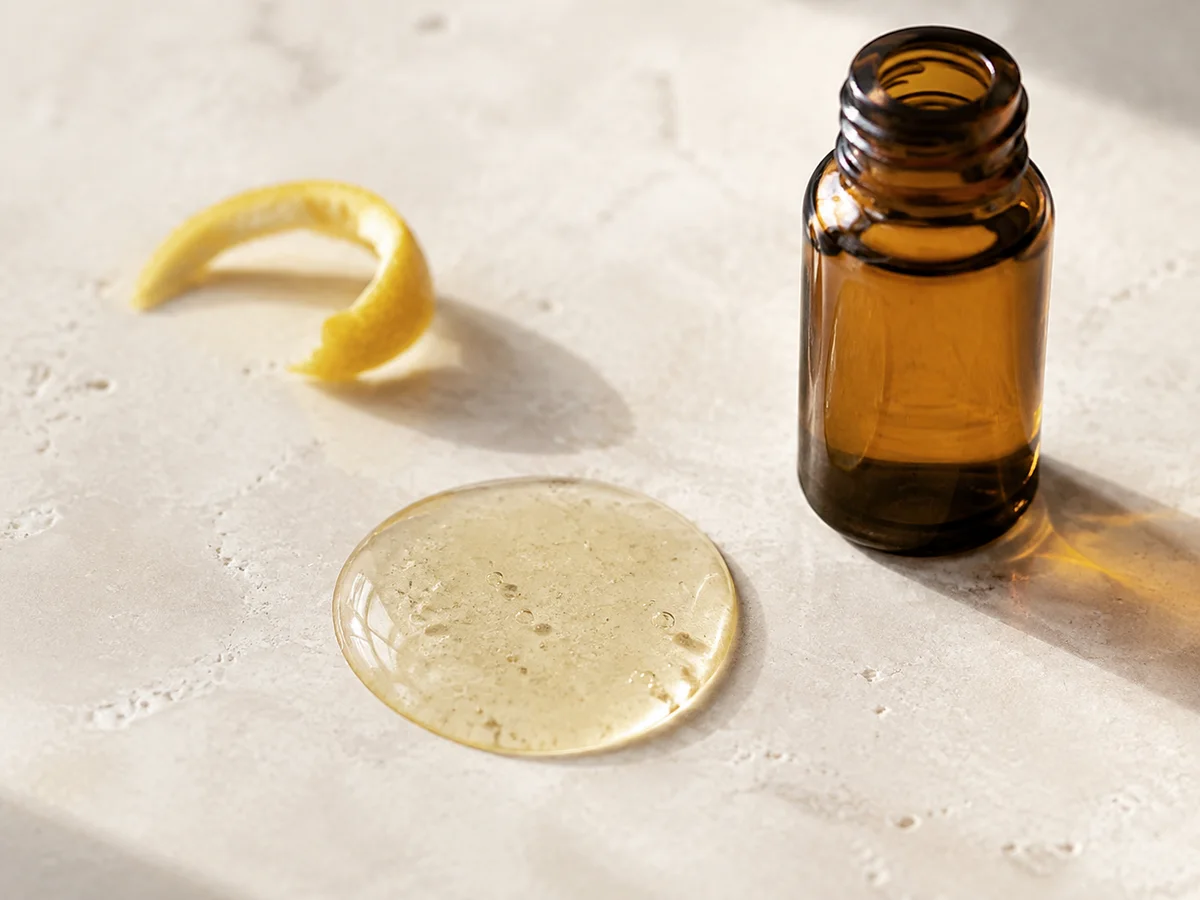
L-Ascorbic Acid (Vitamin C)
The antioxidant gold standard — when it is fresh.
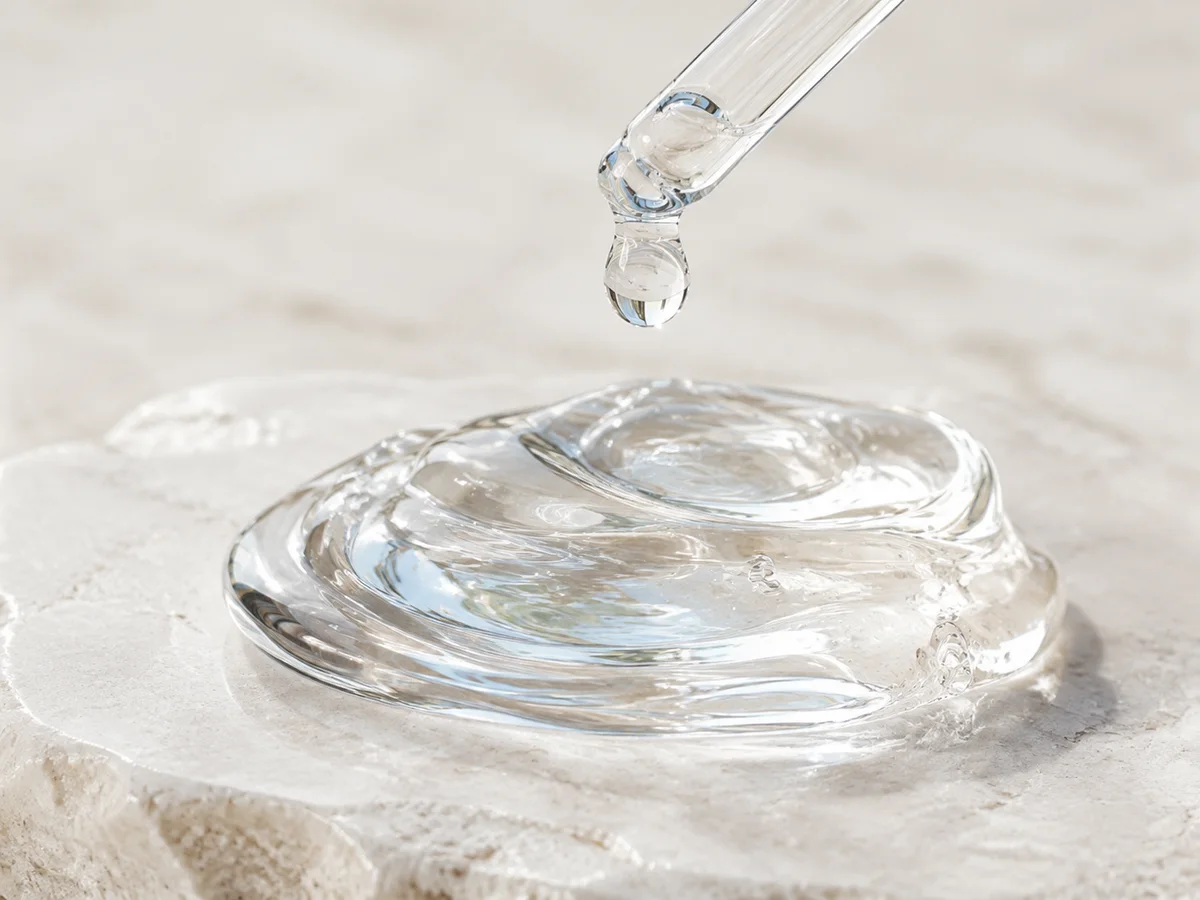
Hyaluronic Acid
A moisture magnet that holds up to 1,000× its weight in water.
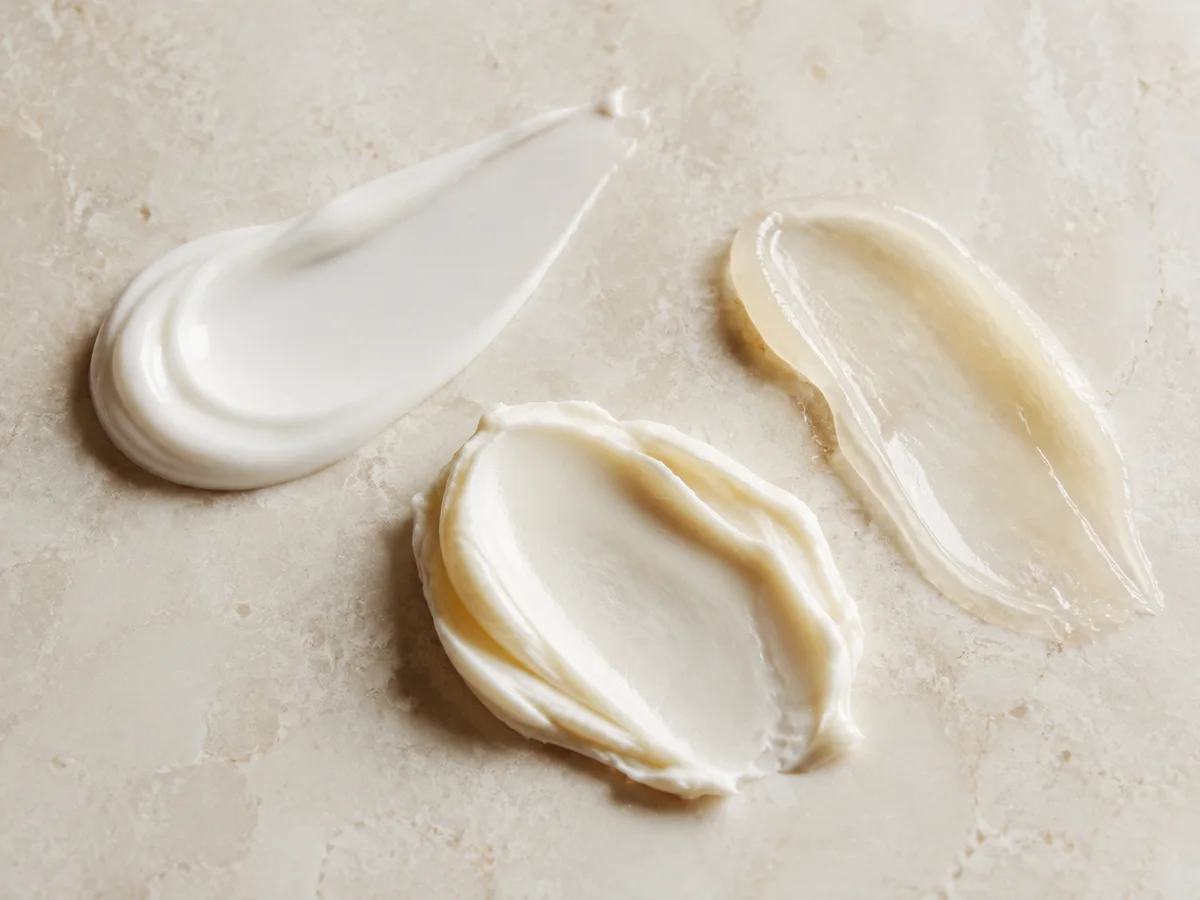
Ceramide Complex (3:1:1)
The mortar between your skin-cell bricks.
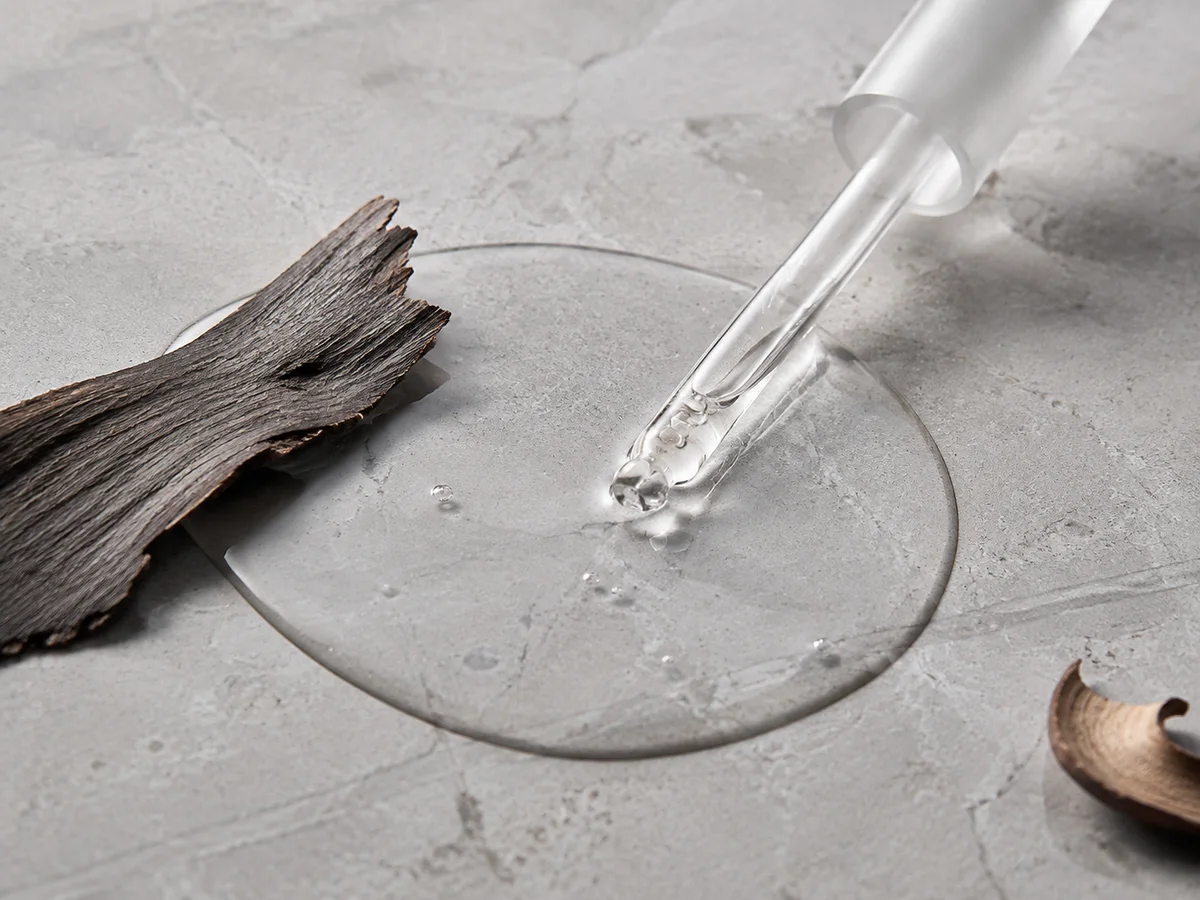
Salicylic Acid (BHA)
The oil-soluble exfoliant that cleans inside the pore.
Glycolic Acid (AHA)
The smallest AHA — deepest surface reach.
Lactic Acid (AHA)
Exfoliation that hydrates while it works.
Azelaic Acid
The redness-and-marks multi-tool.
Tranexamic Acid
The modern answer to stubborn dark spots.
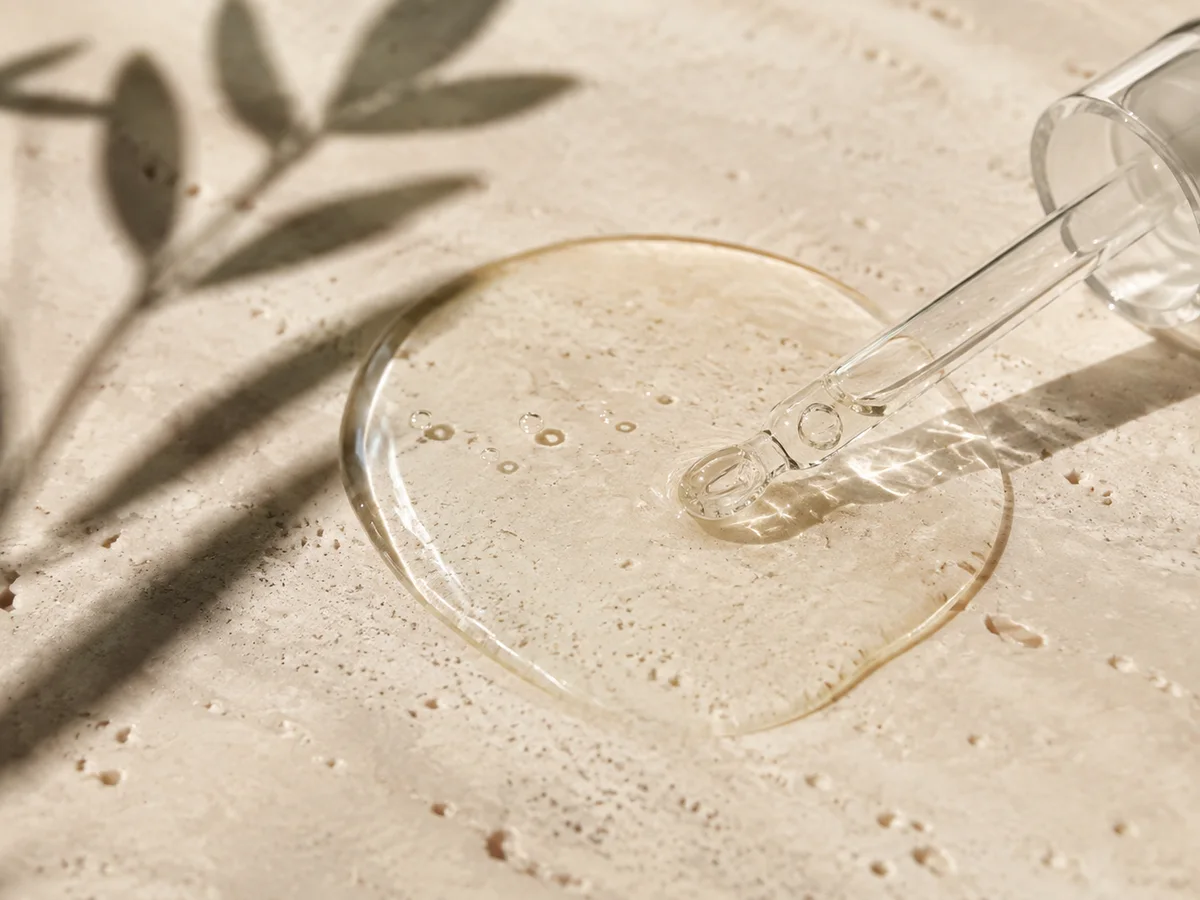
Squalane
Skin-identical softness, zero grease.
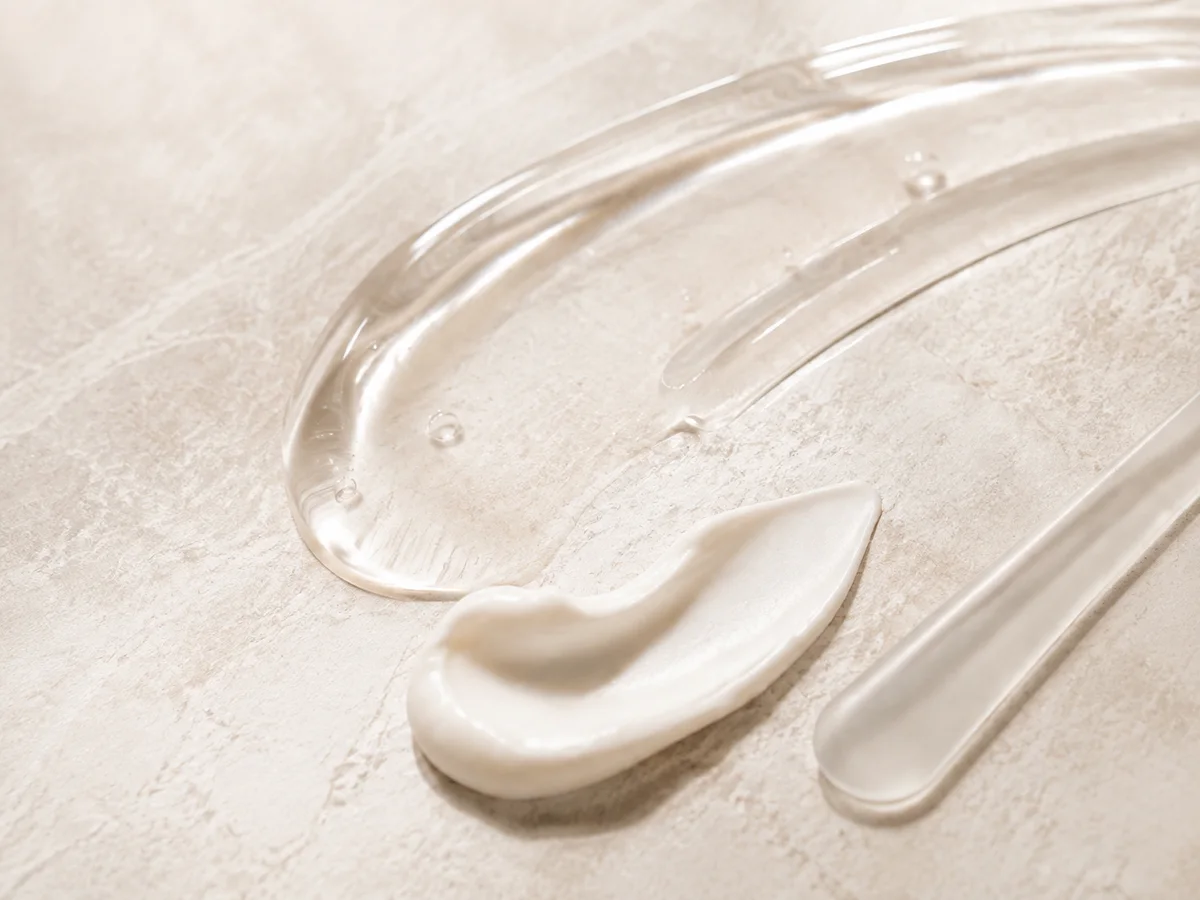
Panthenol (Pro-Vitamin B5)
The calming humectant.
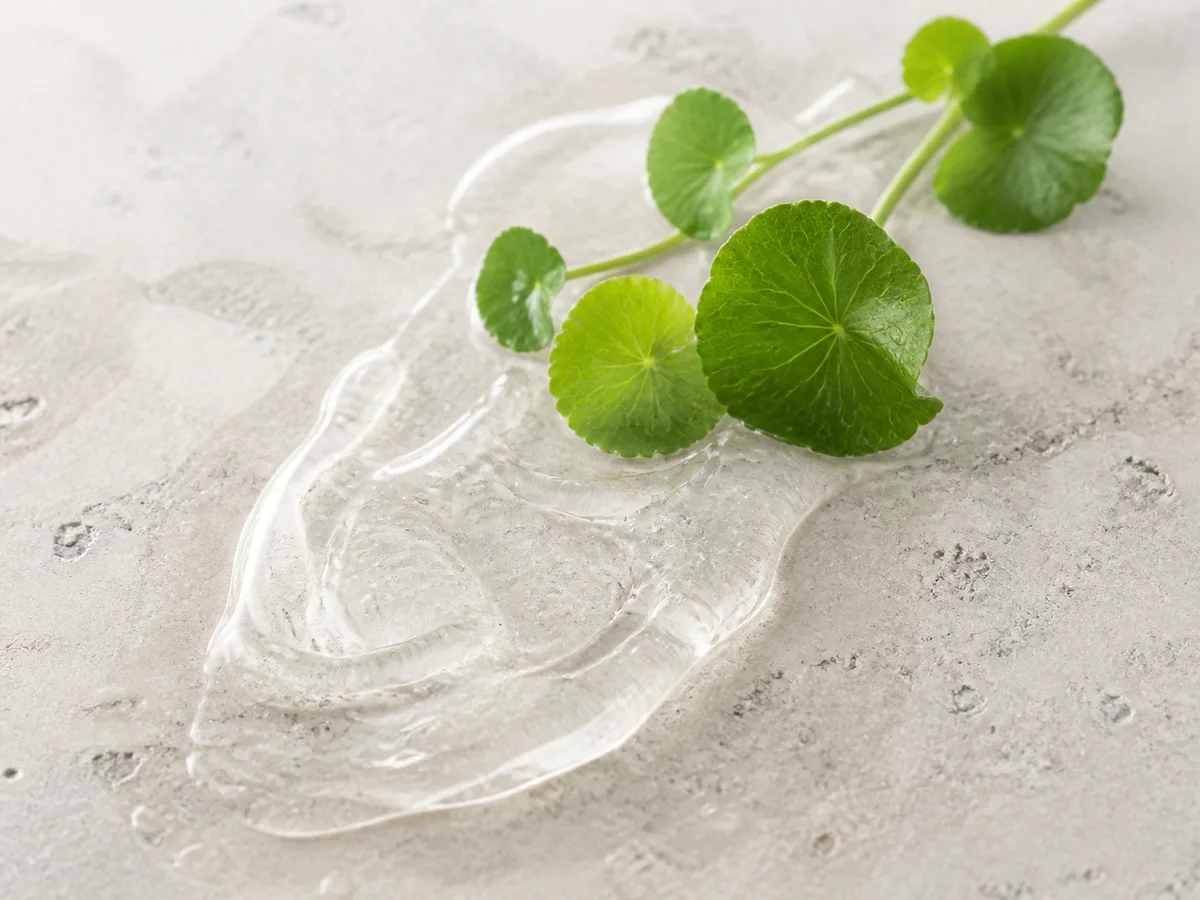
Centella Asiatica (Cica)
K-beauty's calm-the-skin ambassador.
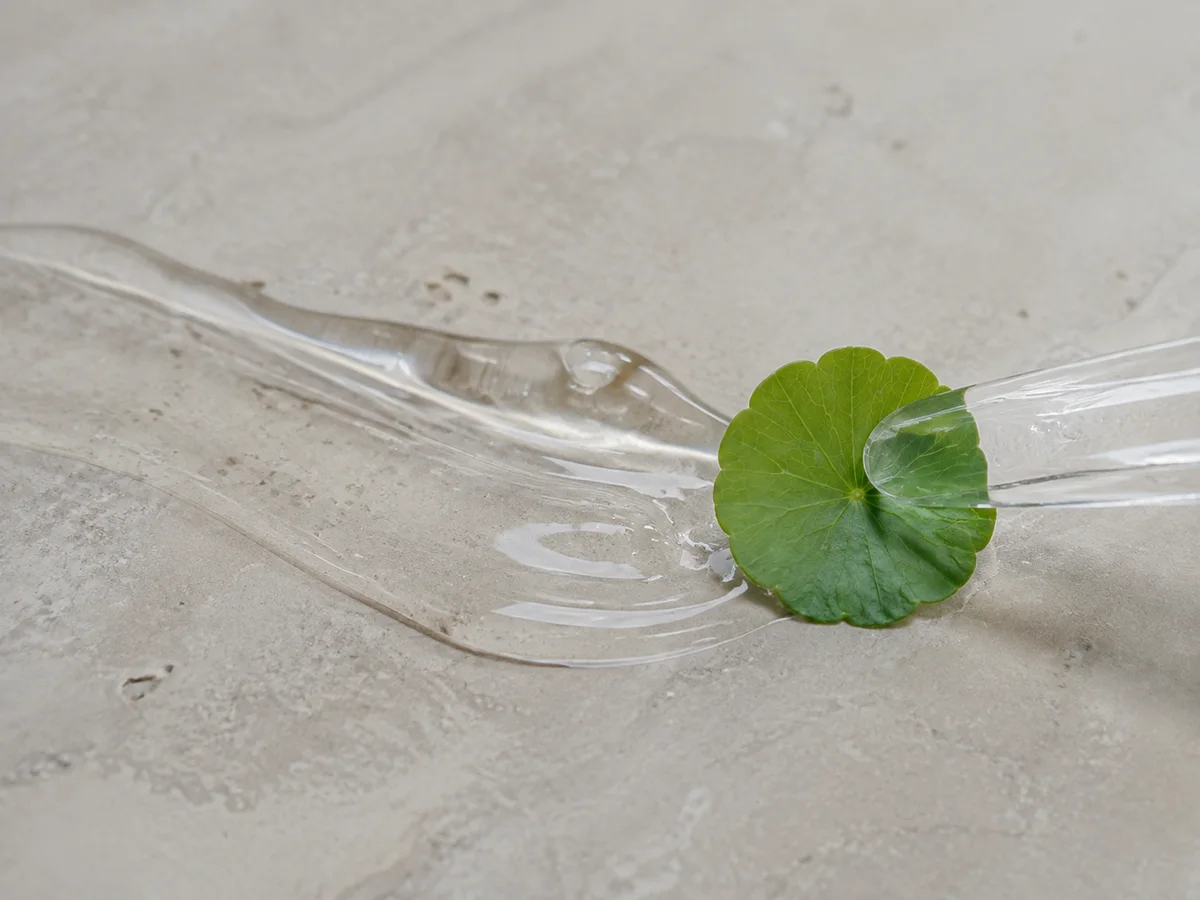
Madecassoside
Cica's isolated active fraction.
Bakuchiol
The plant-based retinal alternative.
Peptide Complex
Signal molecules that tell skin to rebuild.
Copper Peptide (GHK-Cu)
The regeneration peptide.
Ferulic Acid
The antioxidant stabilizer.
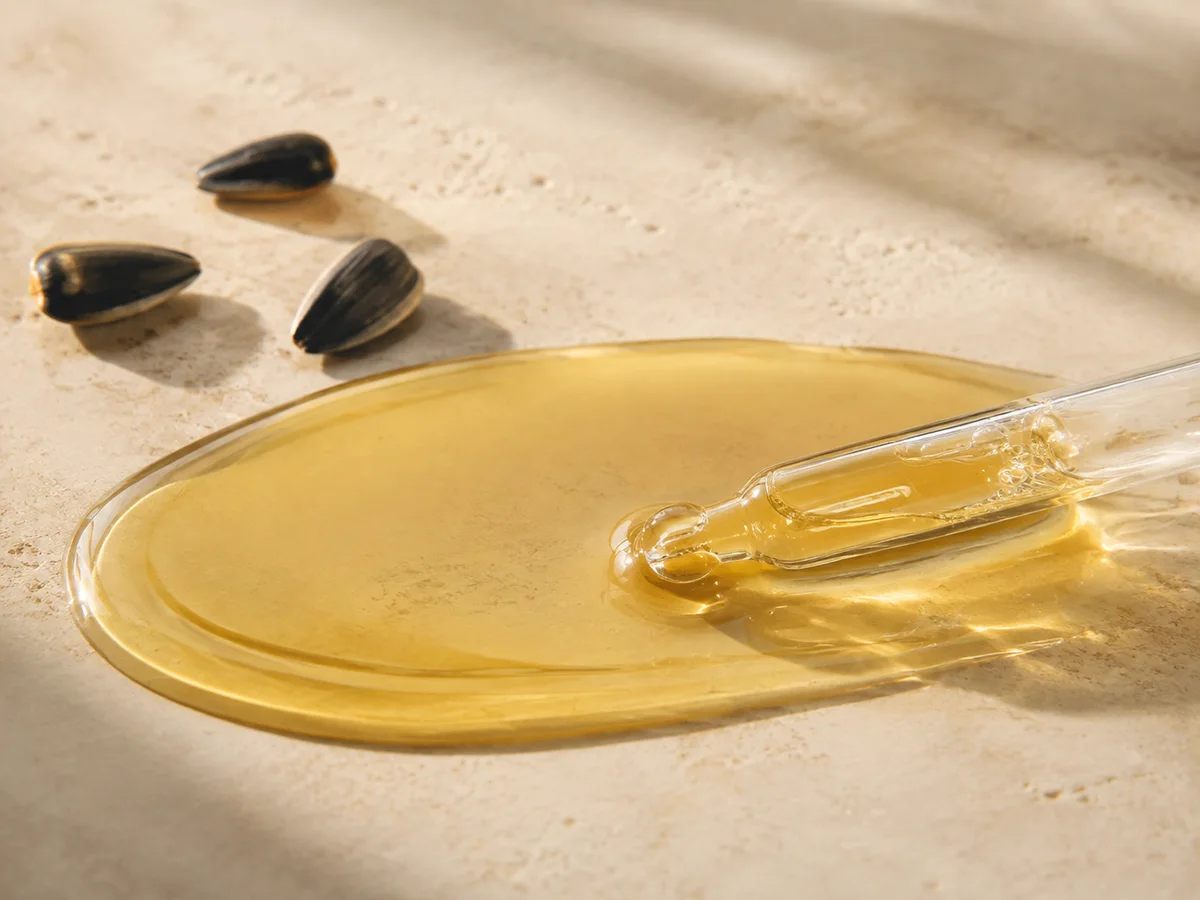
Vitamin E
The lipid-phase antioxidant.
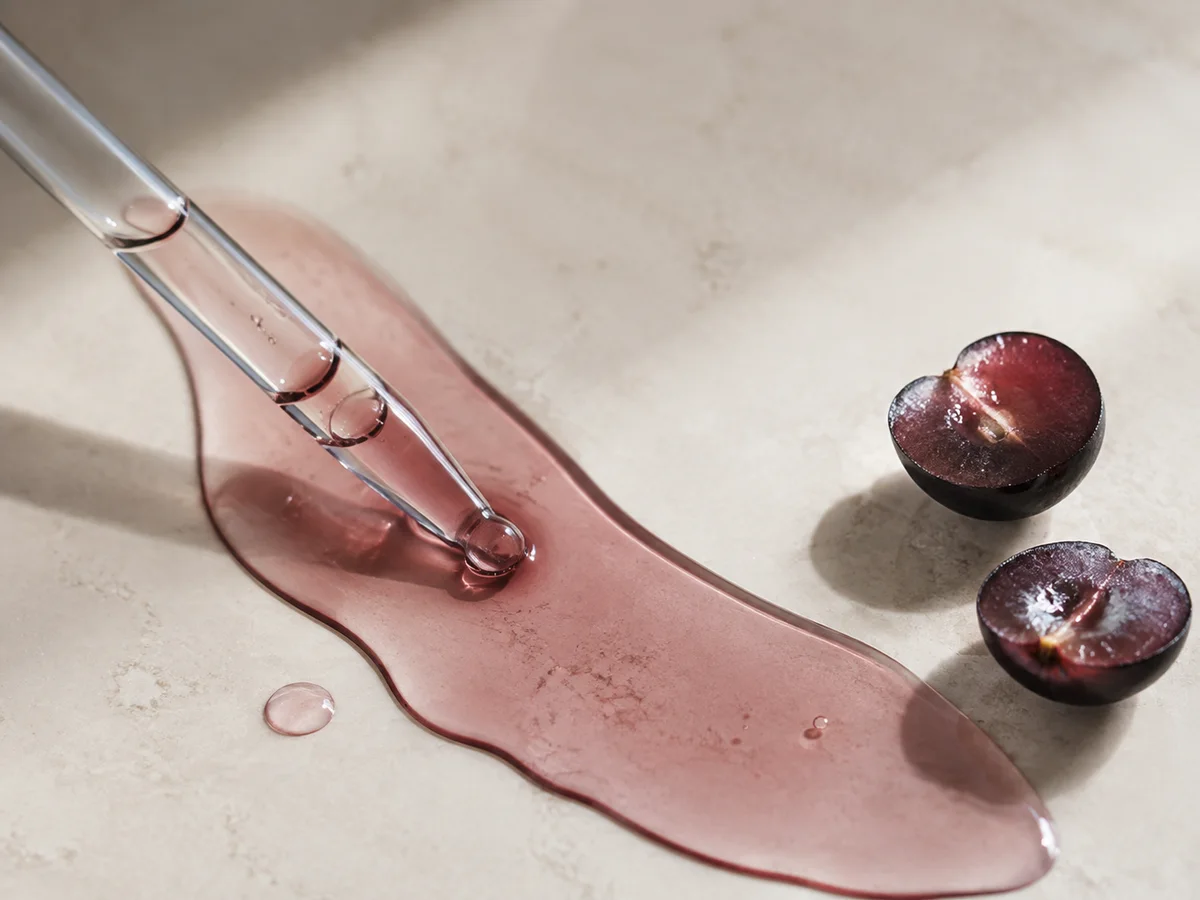
Resveratrol
The grape-skin longevity antioxidant.
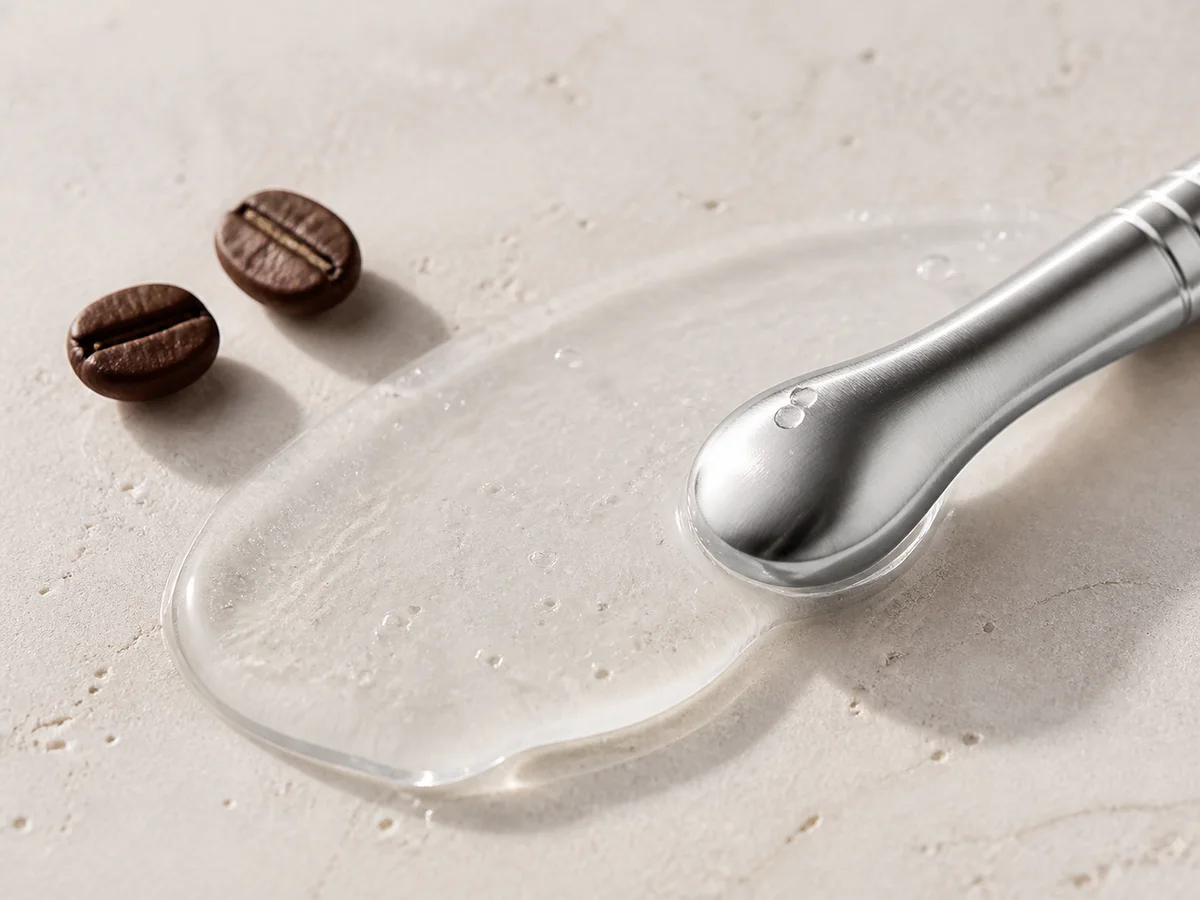
Caffeine
The de-puff vasoconstrictor.
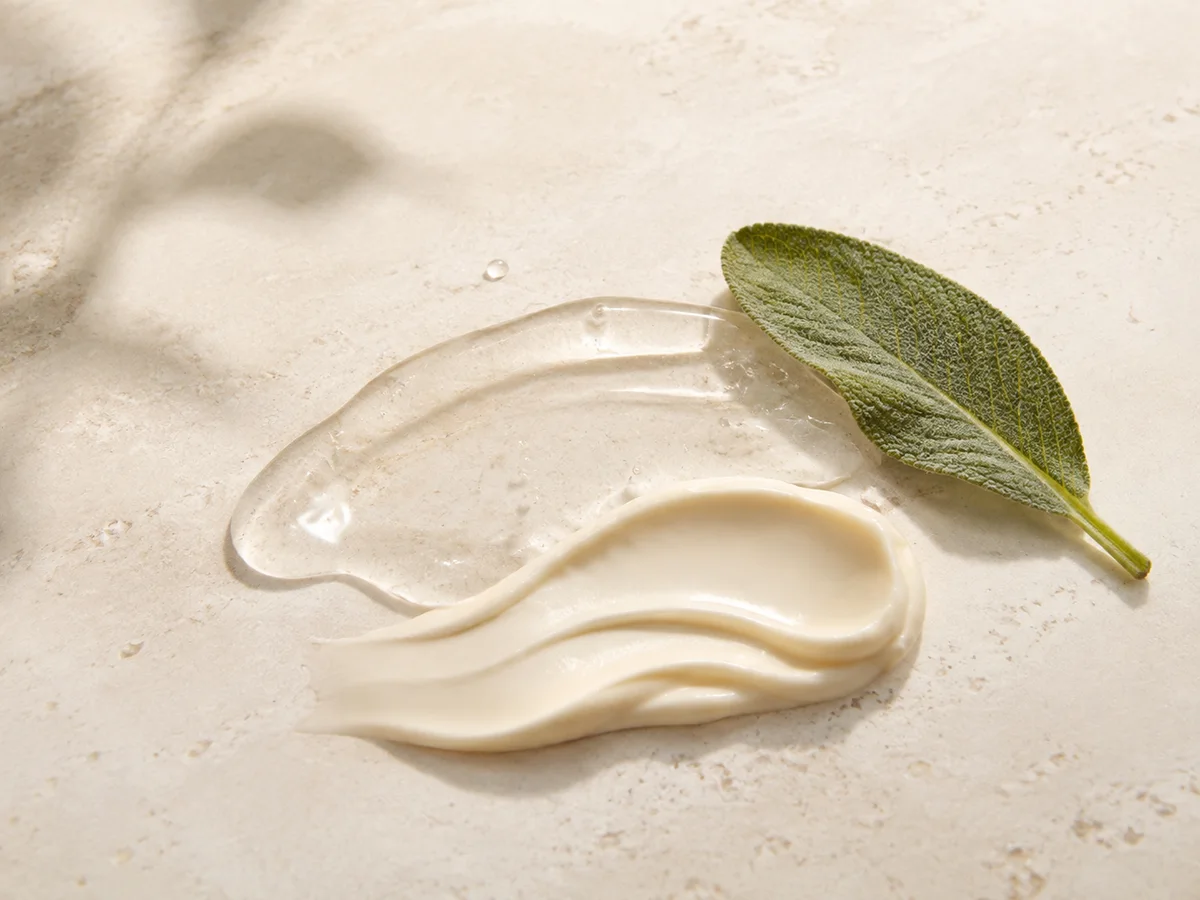
Allantoin
The keratolytic softener.
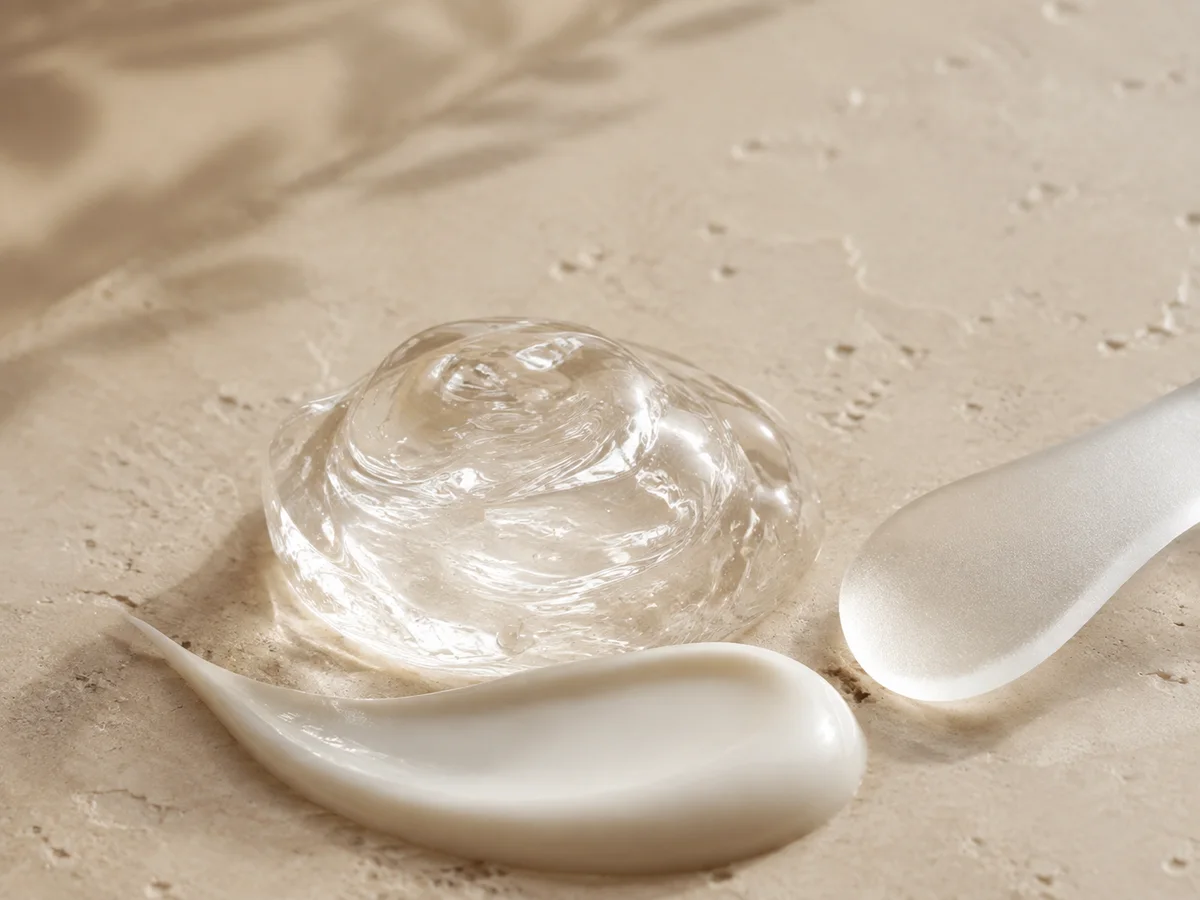
Urea
The moisture-binding exfoliator for rough skin.
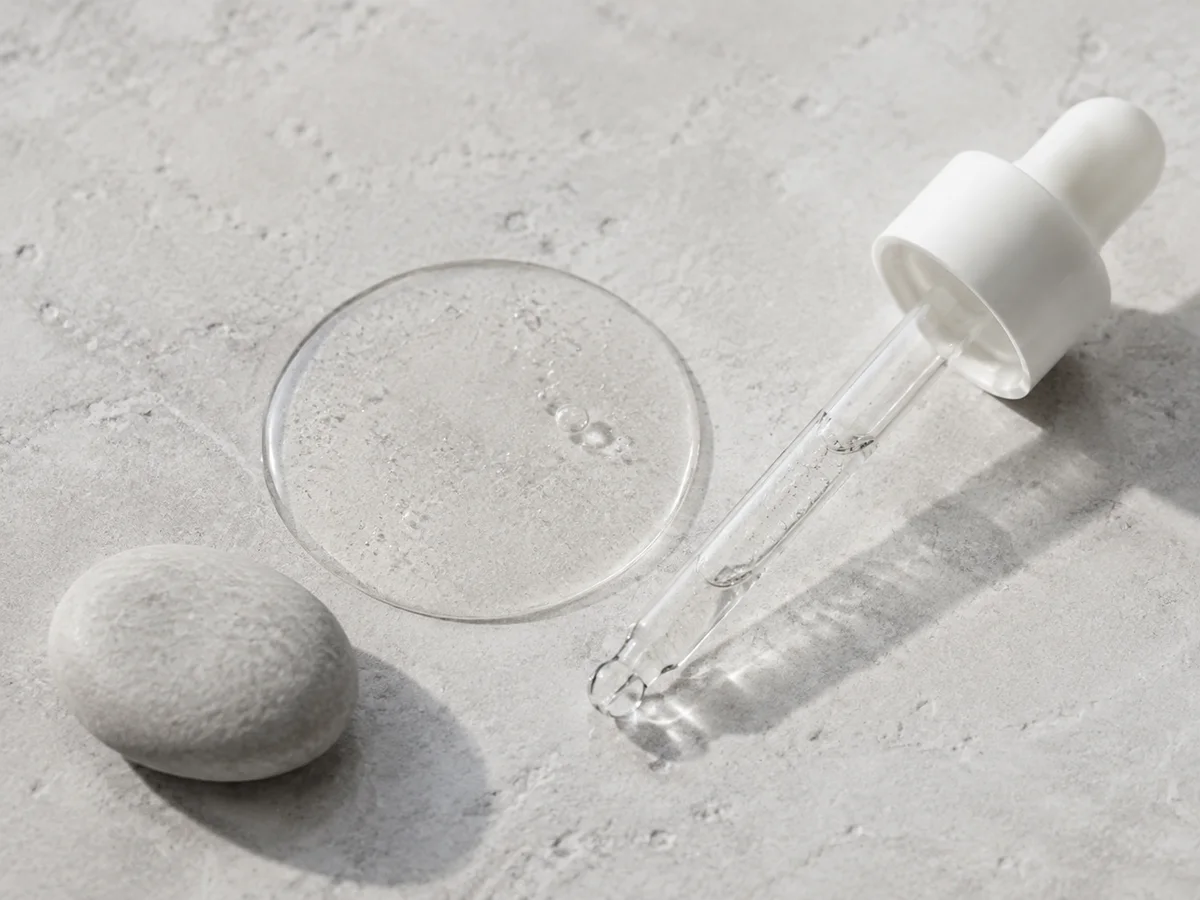
Zinc PCA
The sebum referee.
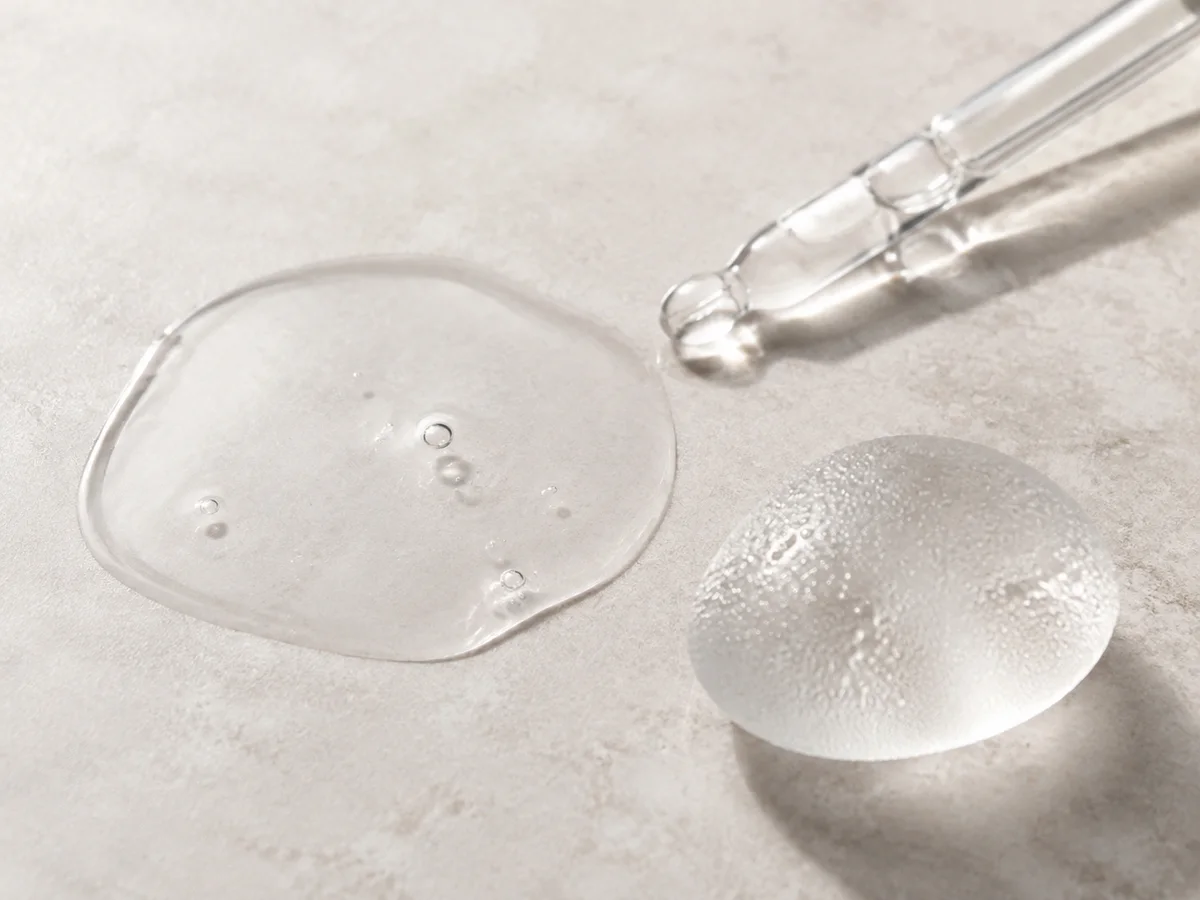
Sodium PCA
The forgotten natural moisturizing factor.
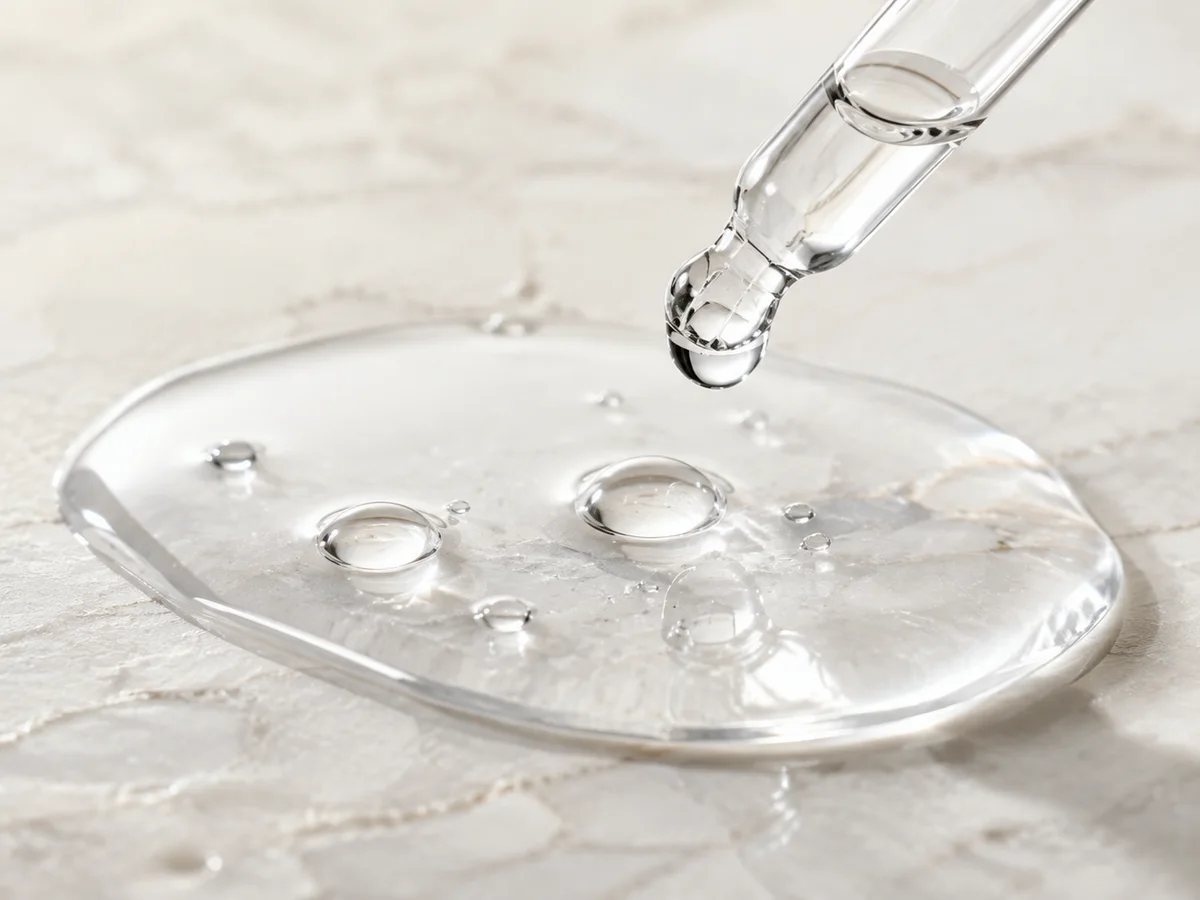
Glycerin
The most proven humectant in existence.
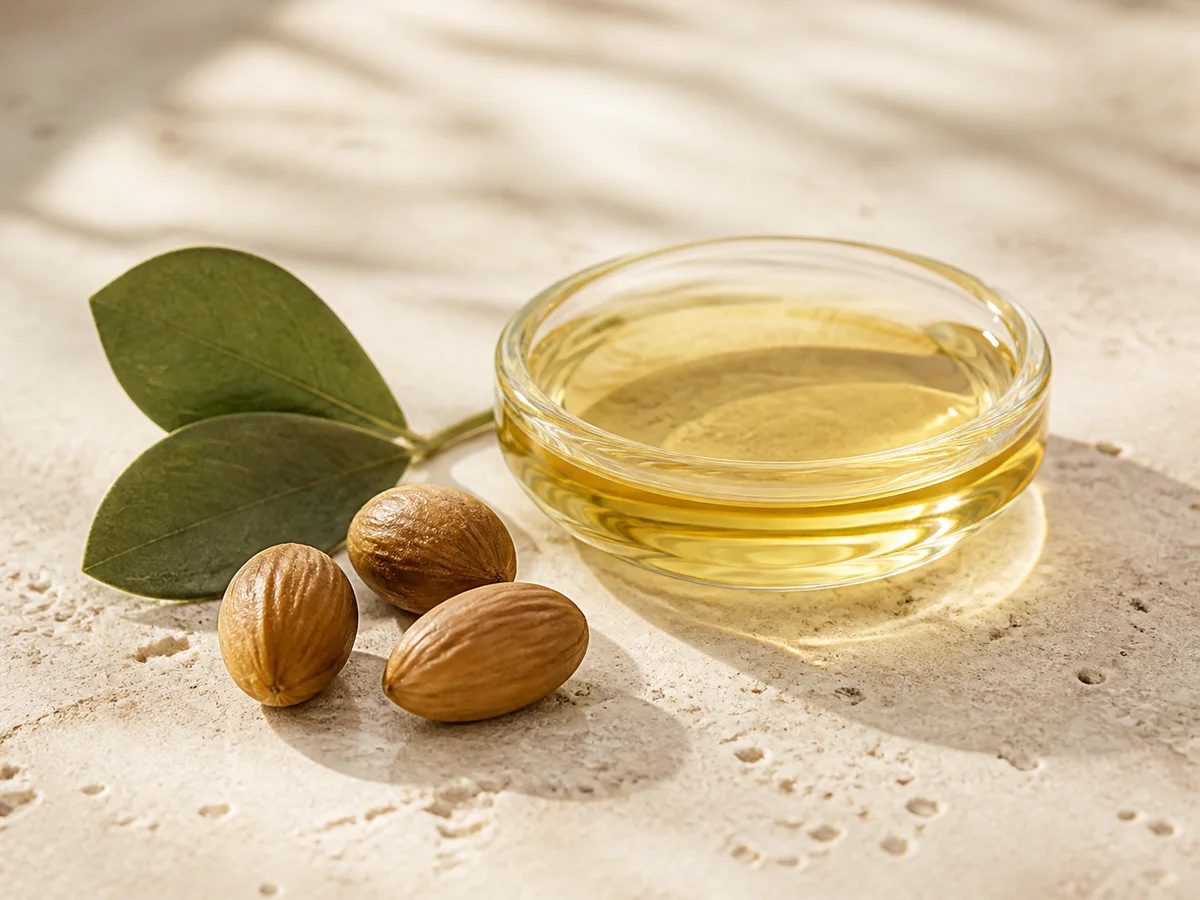
Jojoba Oil
The wax that behaves like skin sebum.
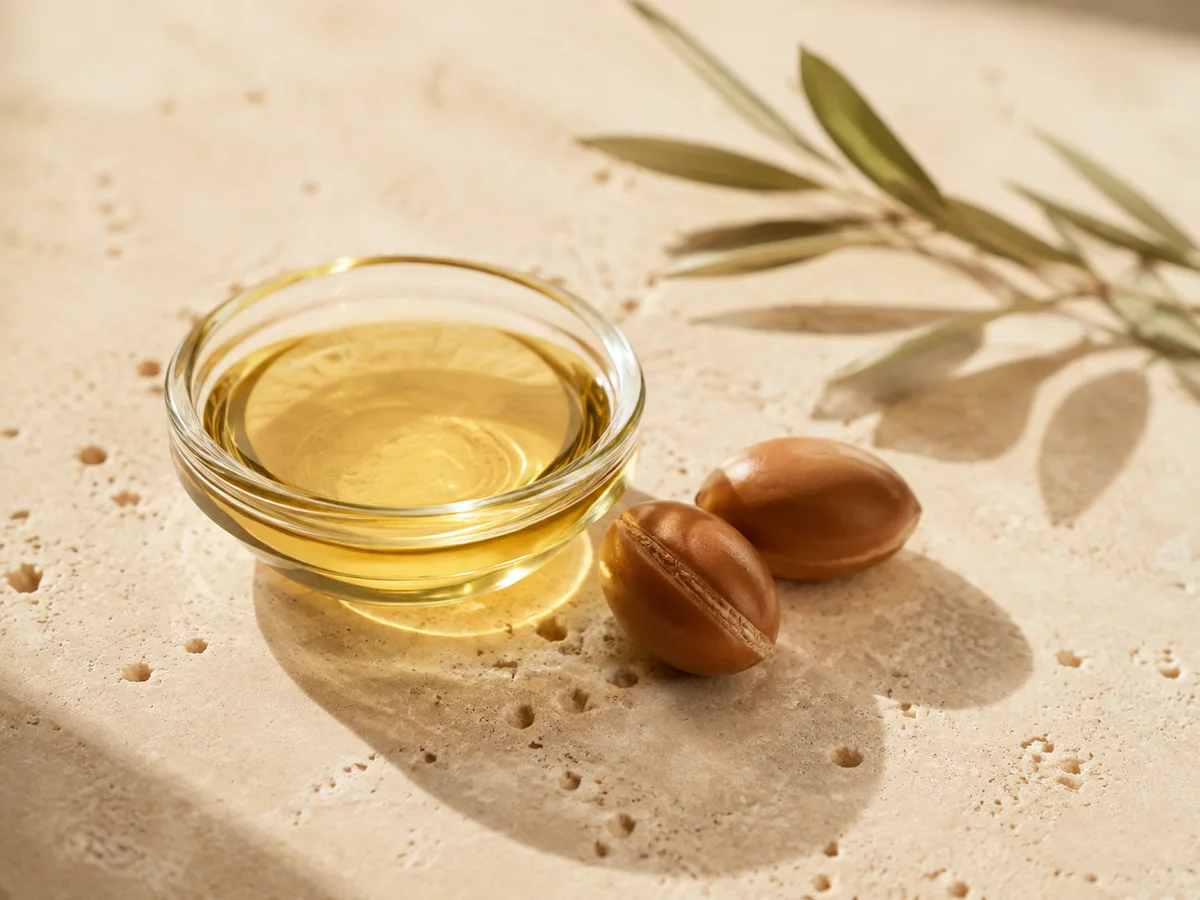
Argan Oil
The Moroccan lipid classic.
Kojic Acid
The ferment-derived brightener.
Alpha-Arbutin
The gentle bearberry brightener.
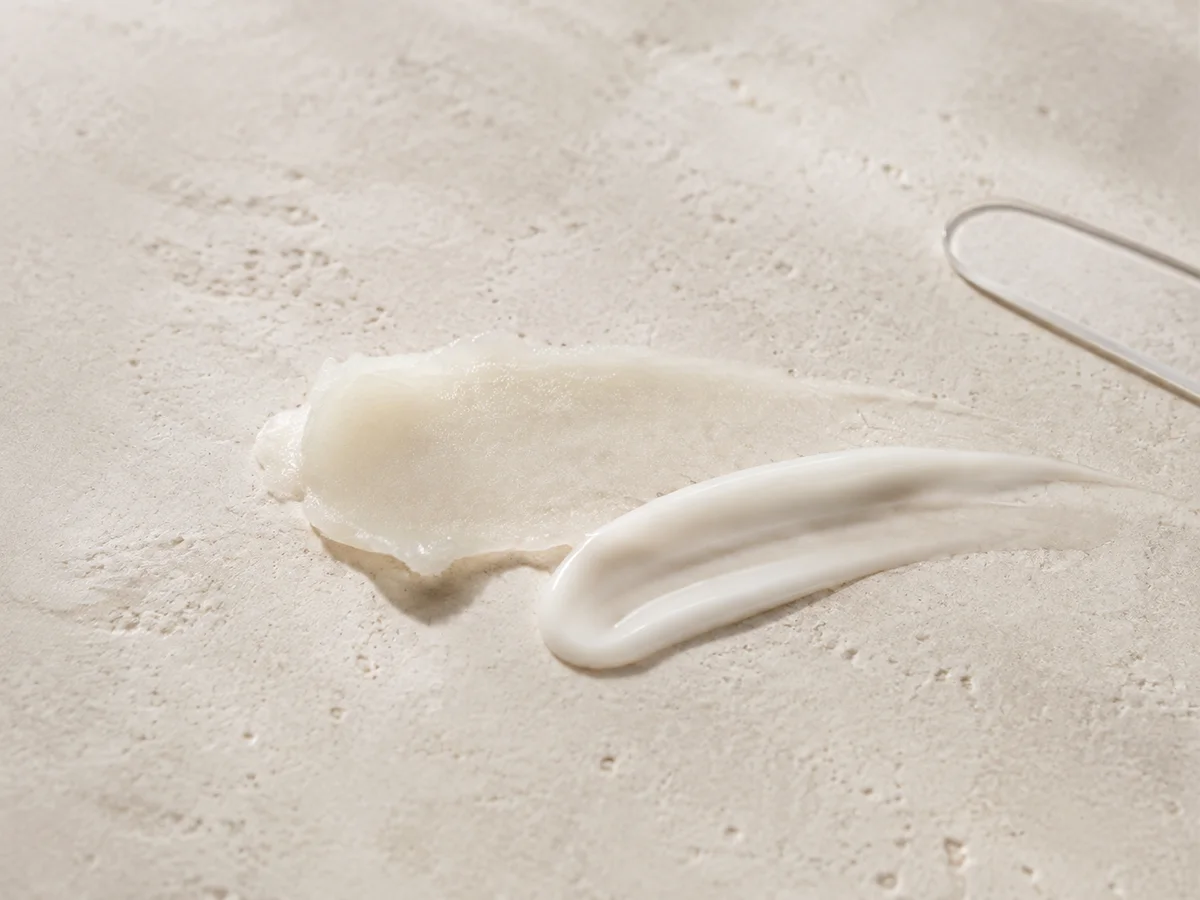
Phytosphingosine
The barrier lipid with antibacterial poise.
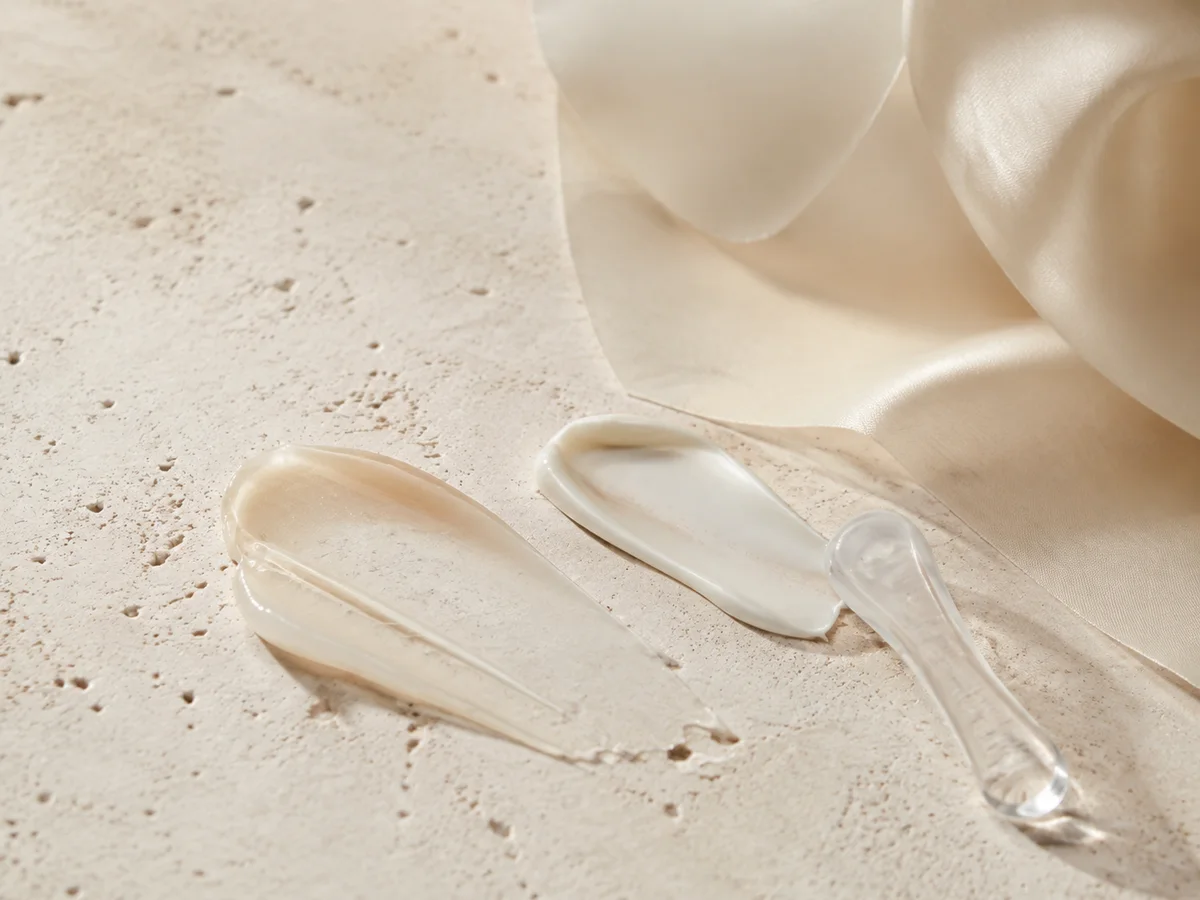
Cholesterol
One-third of the barrier's golden ratio.
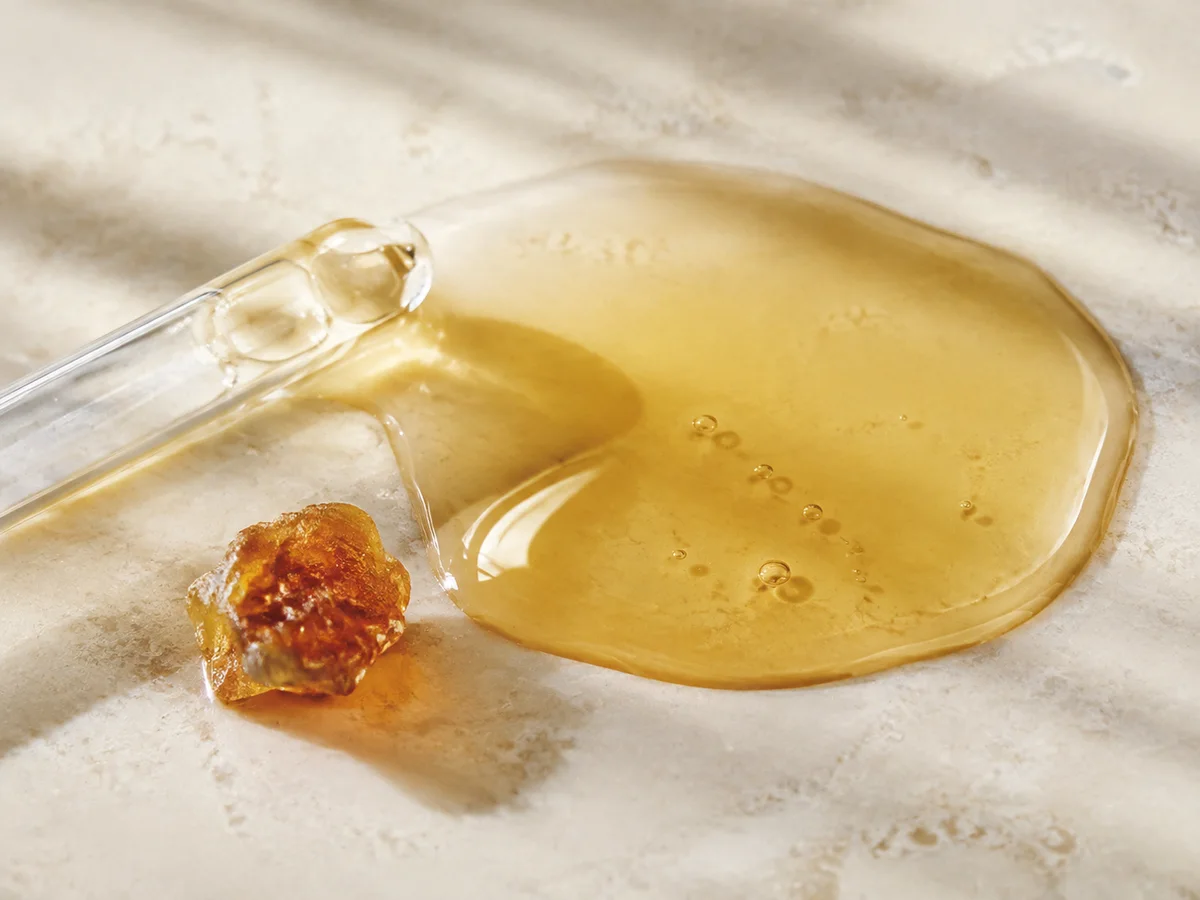
Propolis
The hive's antibacterial resin.
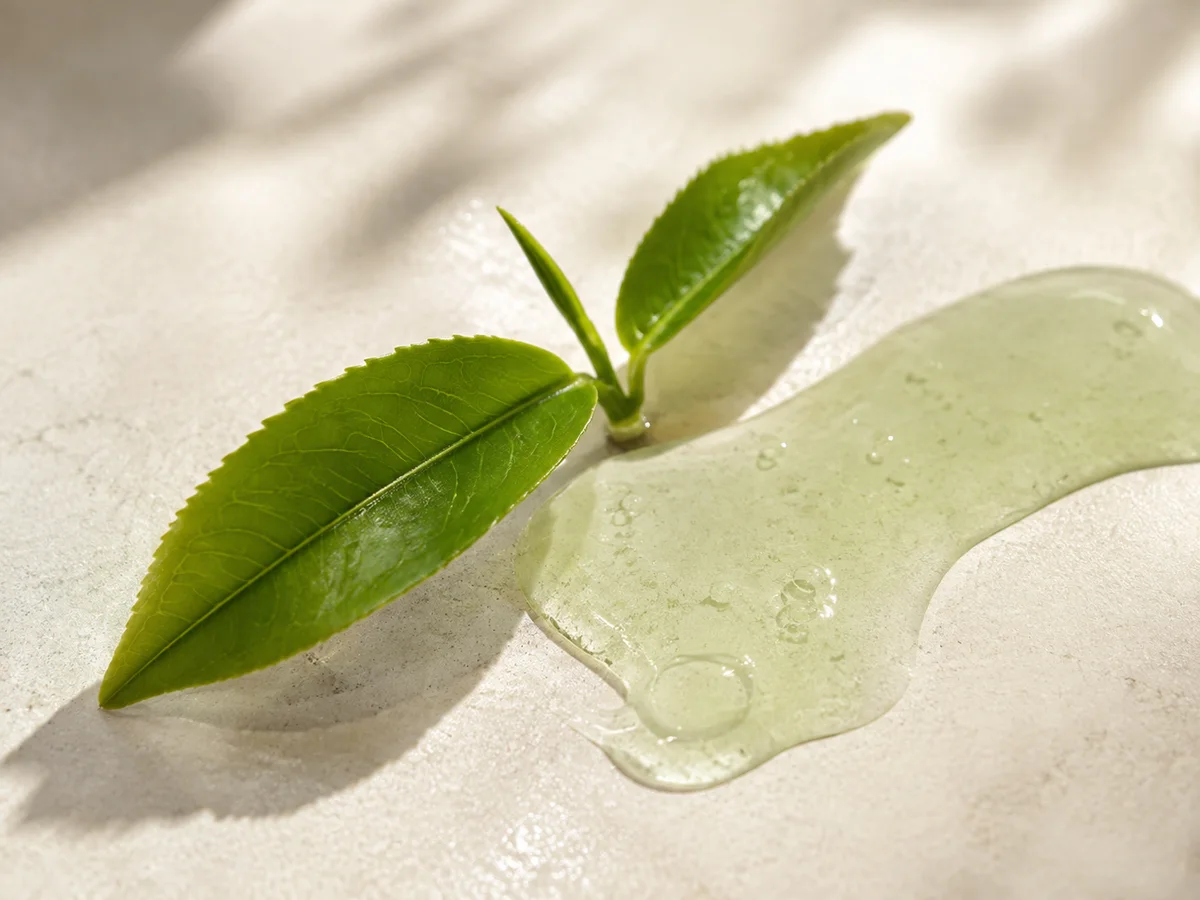
Green Tea Extract
EGCG's calming cup for skin.
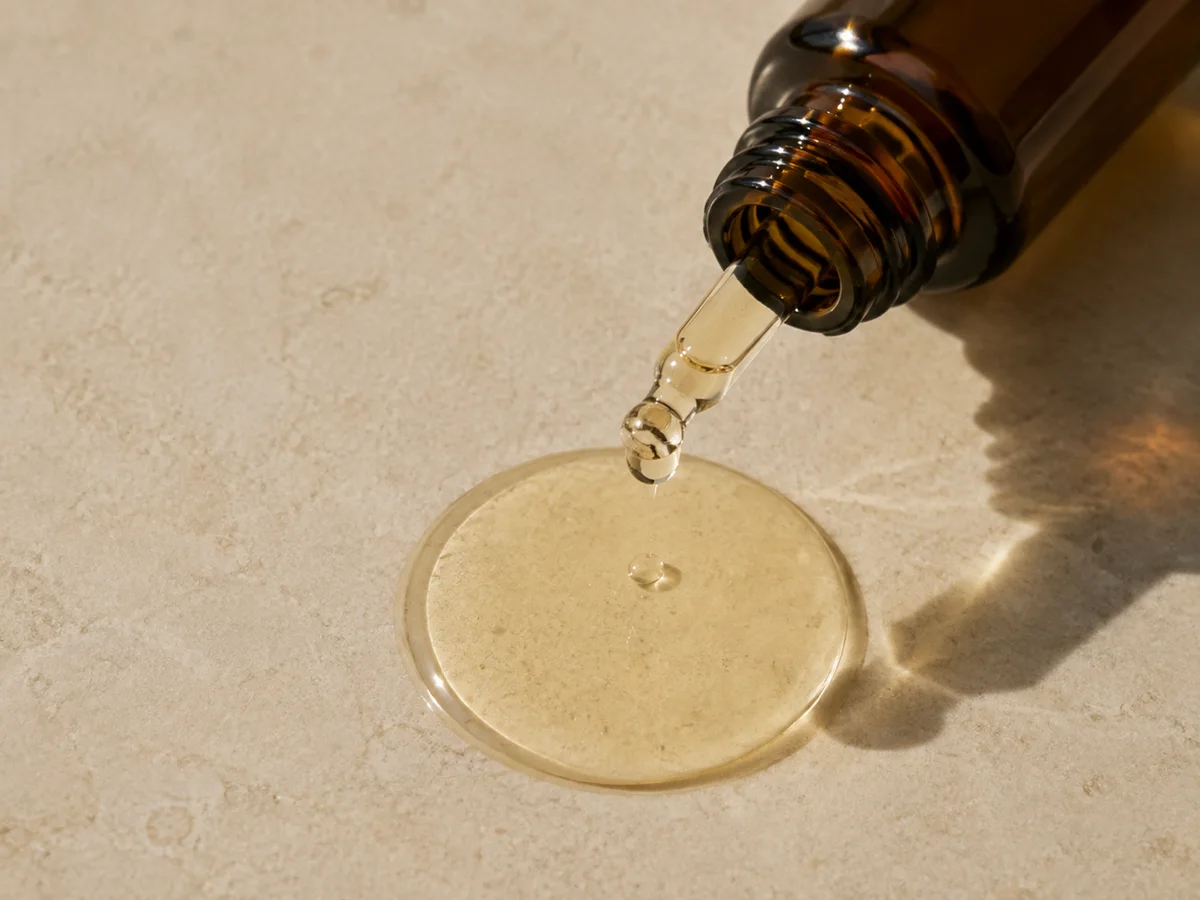
Retinol
The classic that started the vitamin-A era.
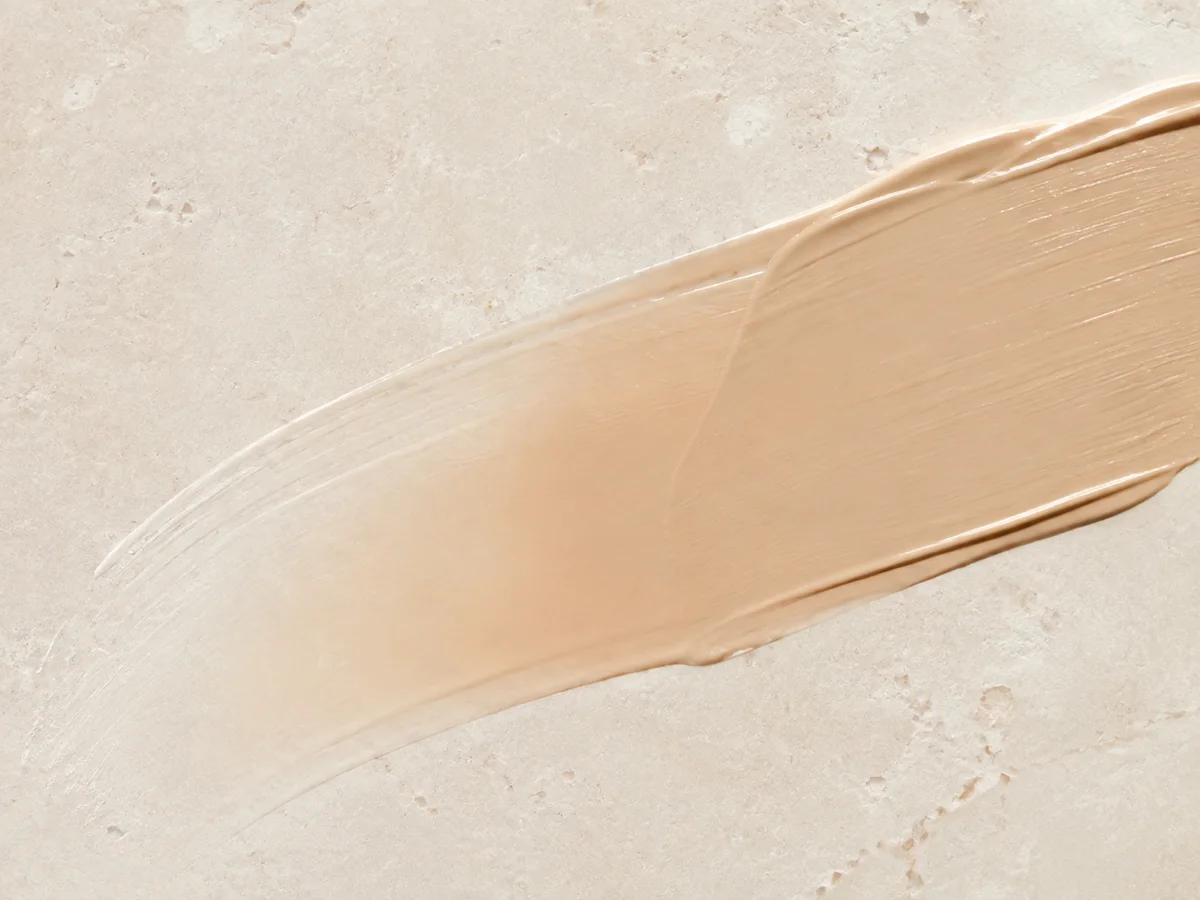
Skin Tint
A skin tint is a complexion cosmetic intended to add a lighter wash of visible color than a fuller-coverage base; its actual coverage, finish and application still depend on the finished product.
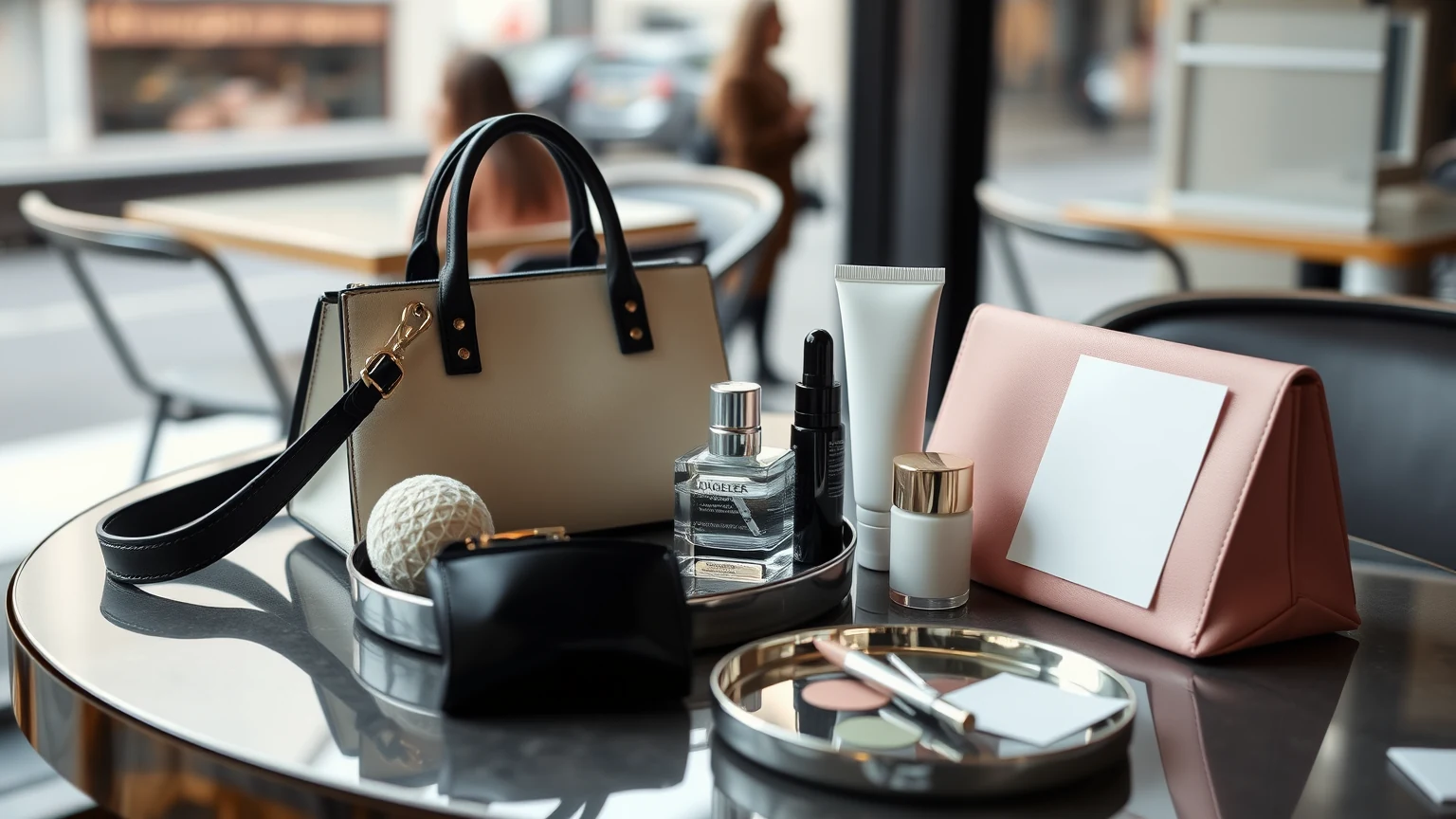
Soft-Matte Finish
Soft-matte describes a cosmetic finish with visibly reduced shine that still allows normal texture and movement to remain readable; it is a finish observation, not an oil-control or wear claim.
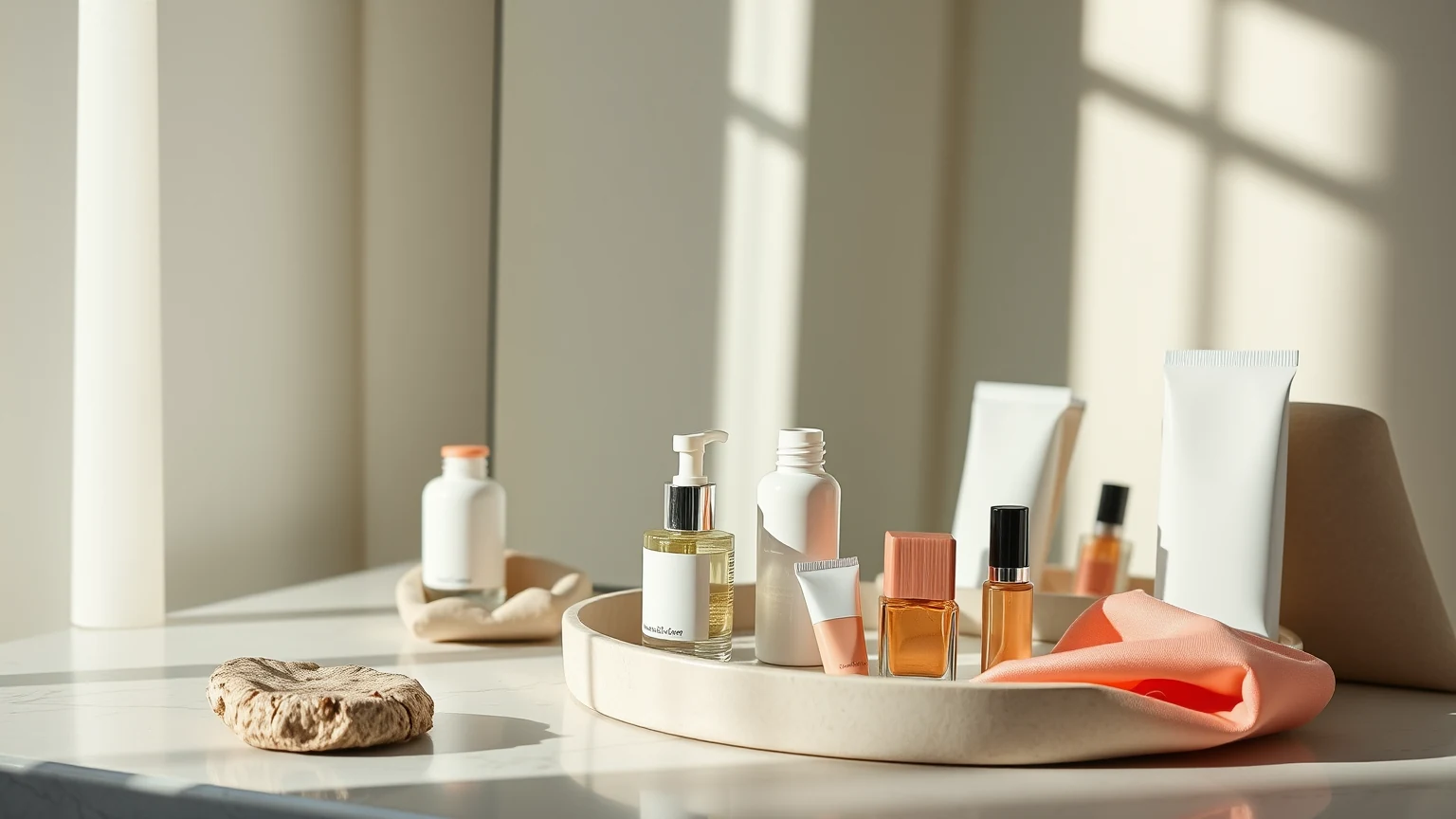
Satin Finish
Satin finish describes a controlled, low-level reflection between a visibly matte surface and a high-shine one; the term can guide comparison but does not prove texture, wear or suitability.
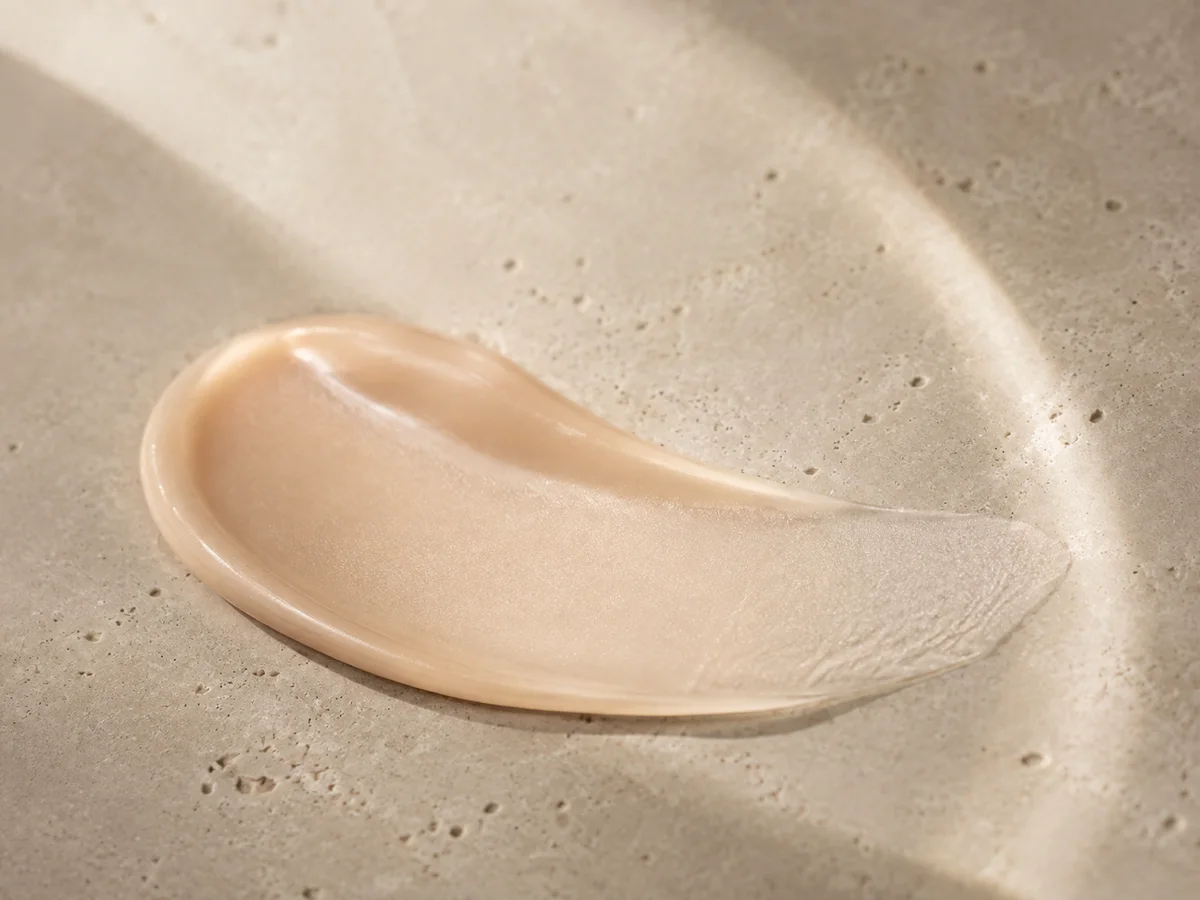
Luminous Finish
Luminous finish describes a cosmetic surface that reflects visible light more broadly than a matte one; it is a finish observation, not proof of hydration, health, wear or universal suitability.
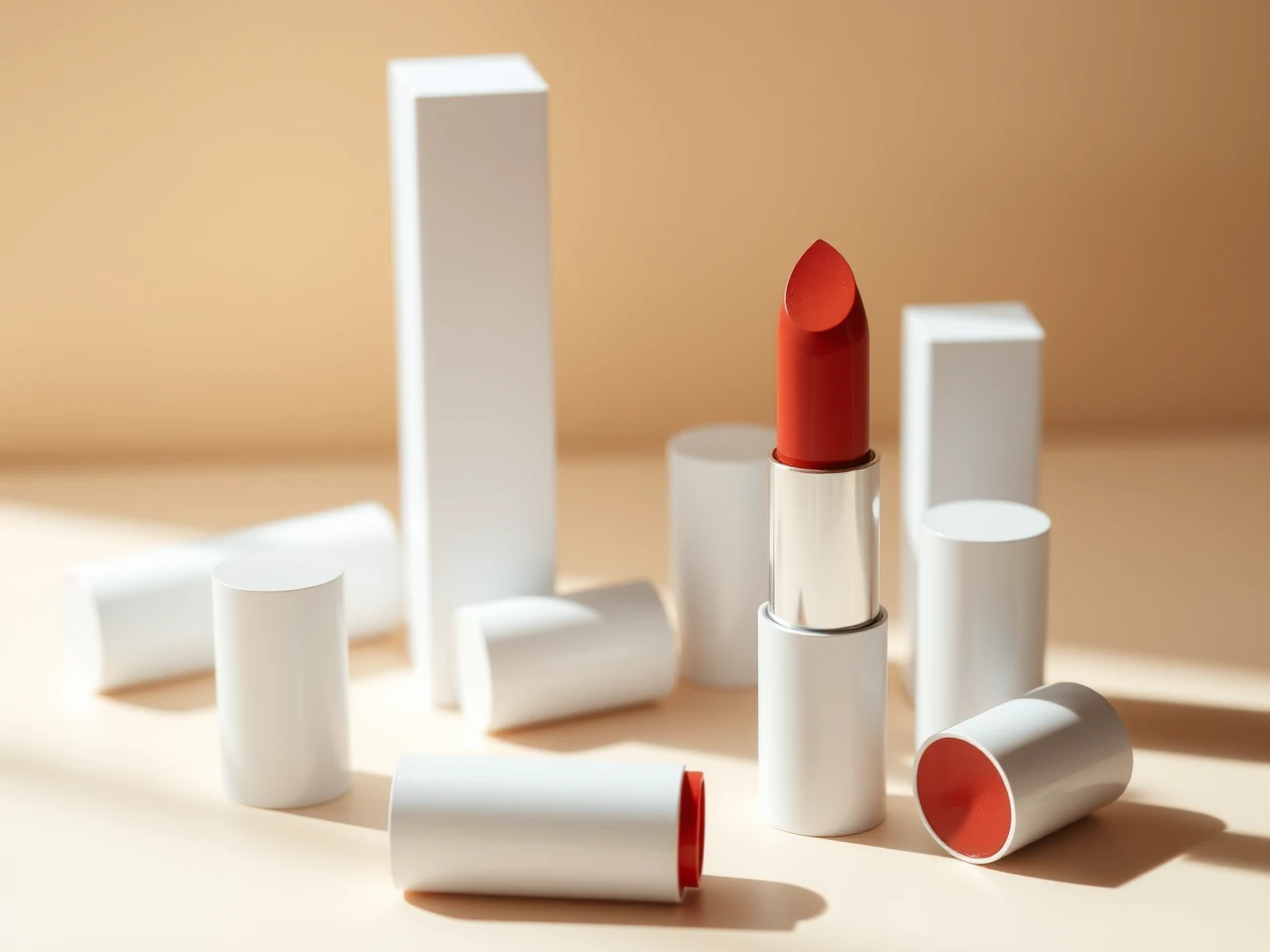
Cream Cheek
Cream cheek is a cheek-color format with a cream-like finished texture; its opacity, finish, placement and compatibility with base makeup must be judged product by product.
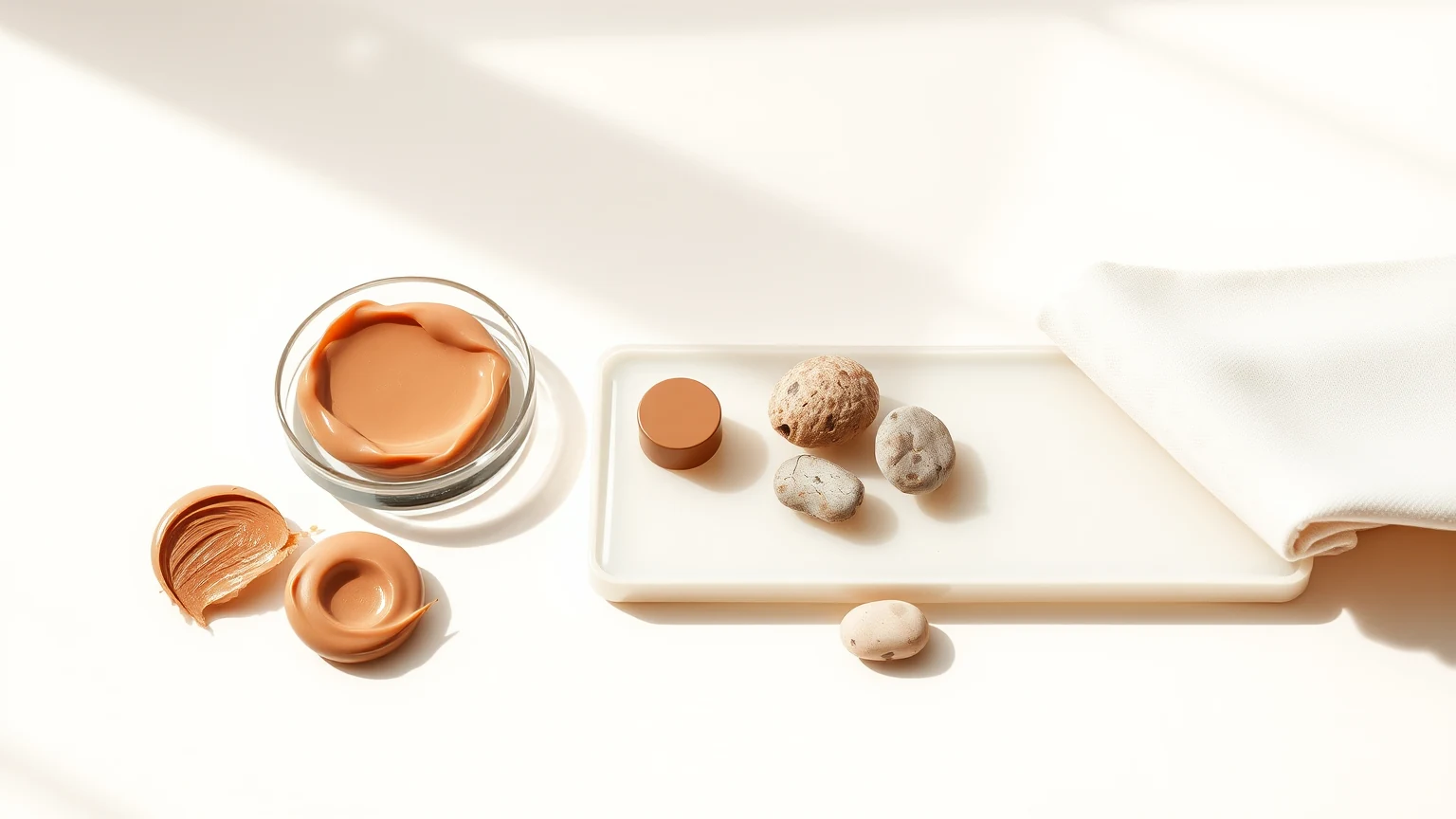
Lip Tint
Lip tint is a lip-color category that often emphasizes a lighter layer or stain-like color impression, but opacity, finish, transfer and touch-up needs remain specific to the finished product.
Blurred Lip
A blurred lip is an application technique that keeps color concentrated toward the lip interior and softens the outer transition; it is a style choice, not a promise of easier wear.
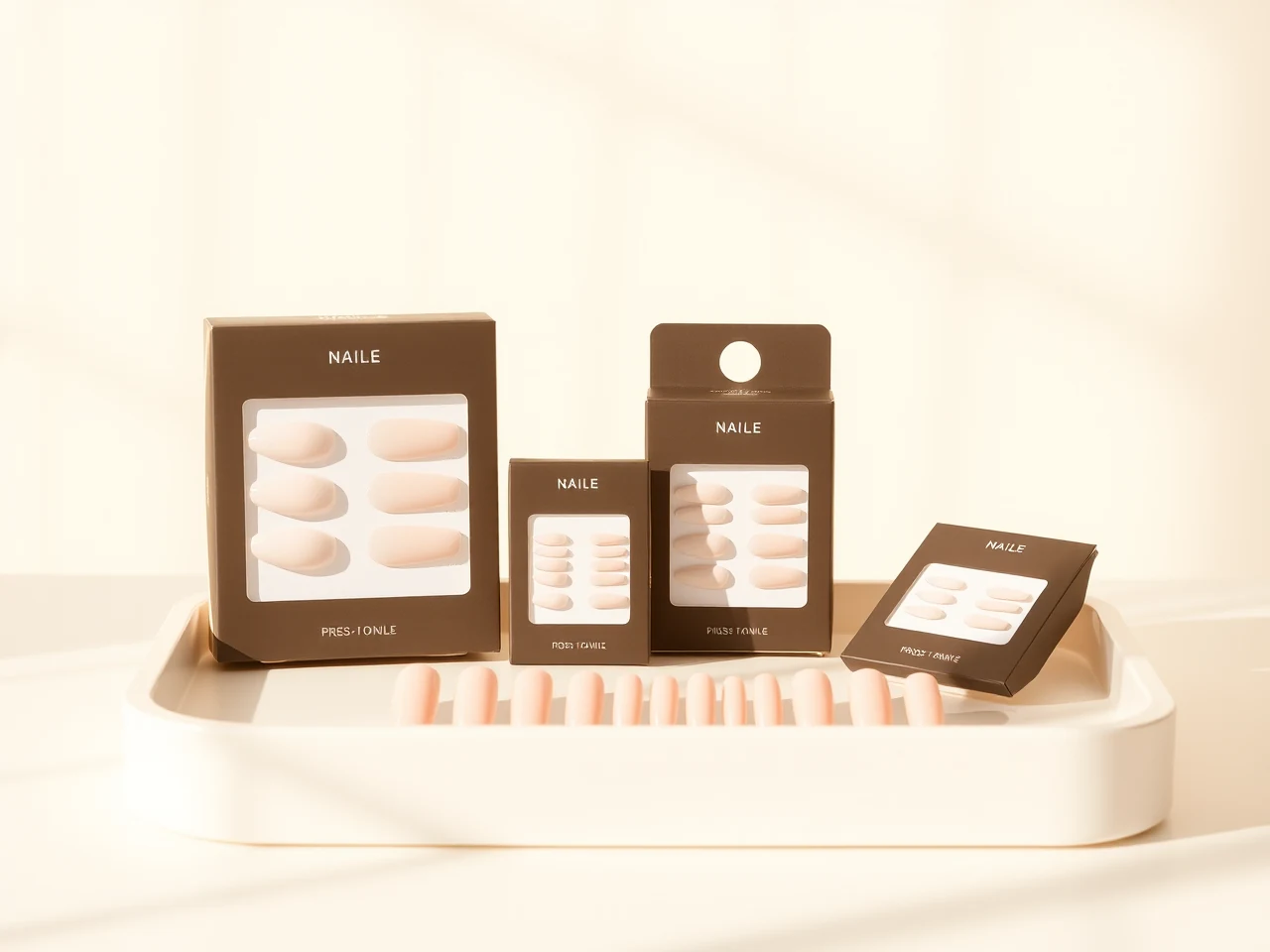
Press-On Nails
Press-on nails are pre-shaped cosmetic nail pieces selected by width, curve, length and attachment method; fit and removal must follow the specific product instructions.
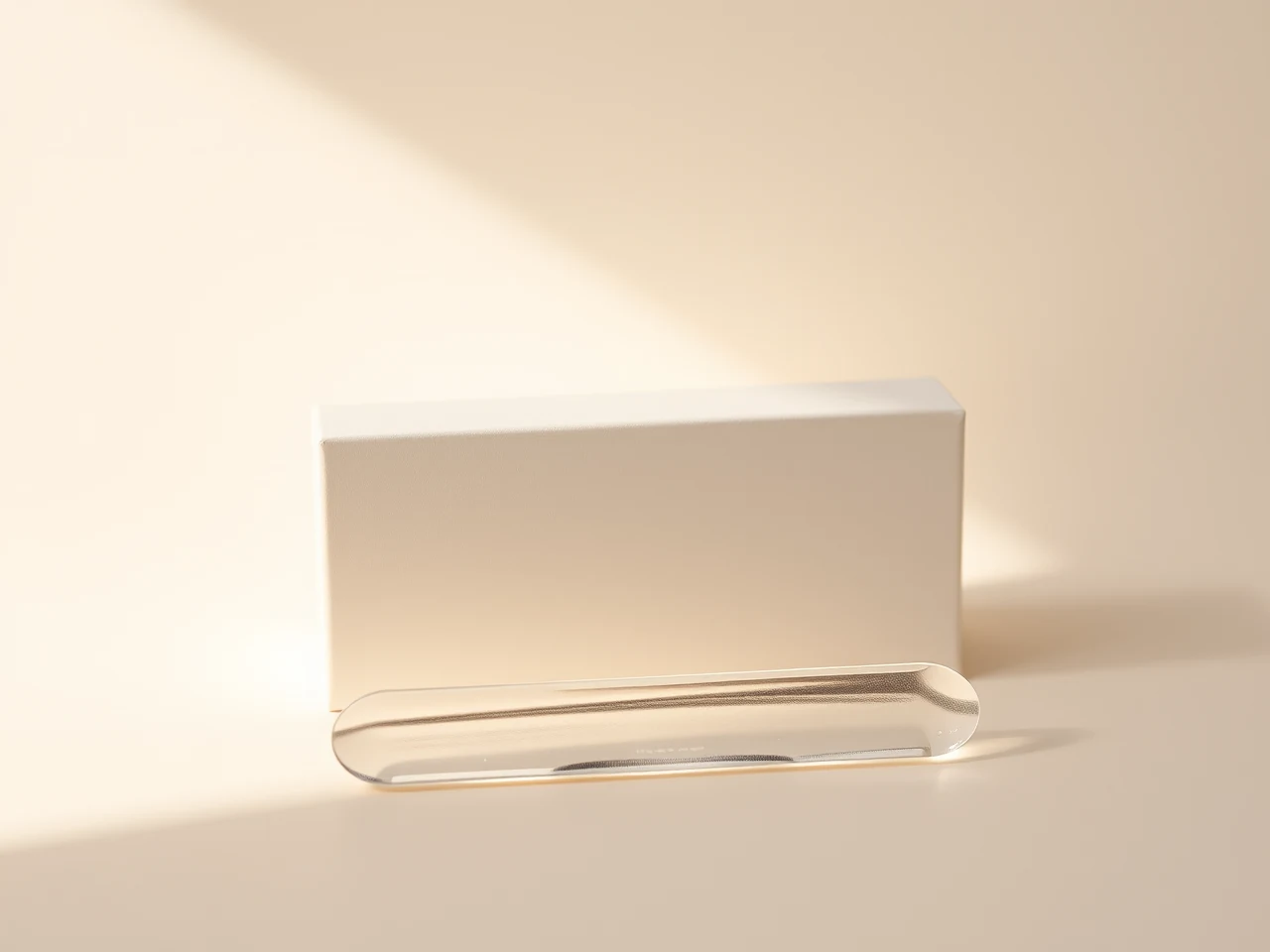
Short Nail Shape
Short nail shape describes the maintained free edge of a shorter natural nail—such as softly rounded, oval-leaning or squoval—chosen for upkeep and preference rather than hand-shape rules.
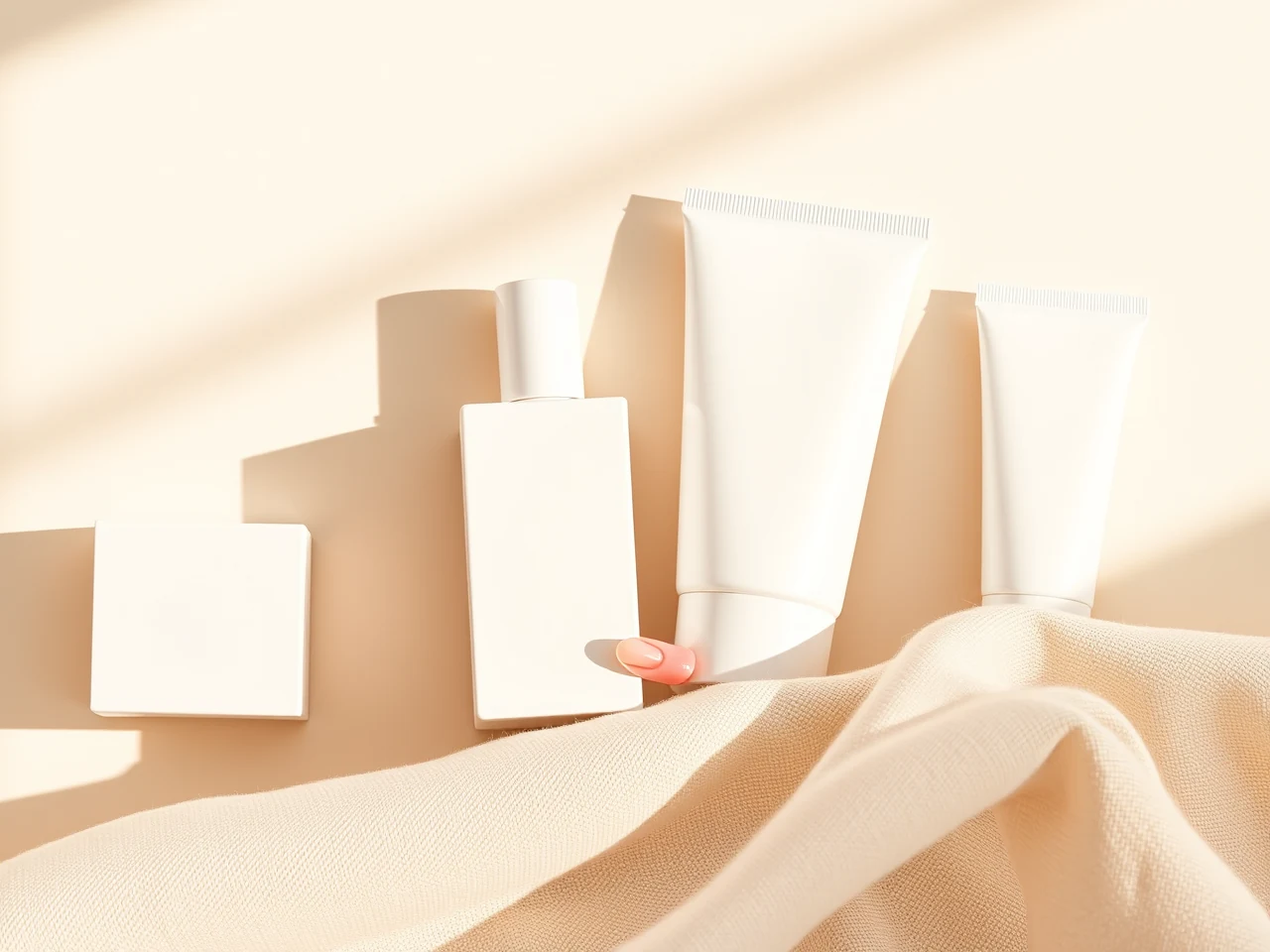
Cuticle Oil
Cuticle oil is a cosmetic nail-care product applied around the nail as directed to change visible sheen or conditioning feel; it does not prove nail growth, repair or treatment.
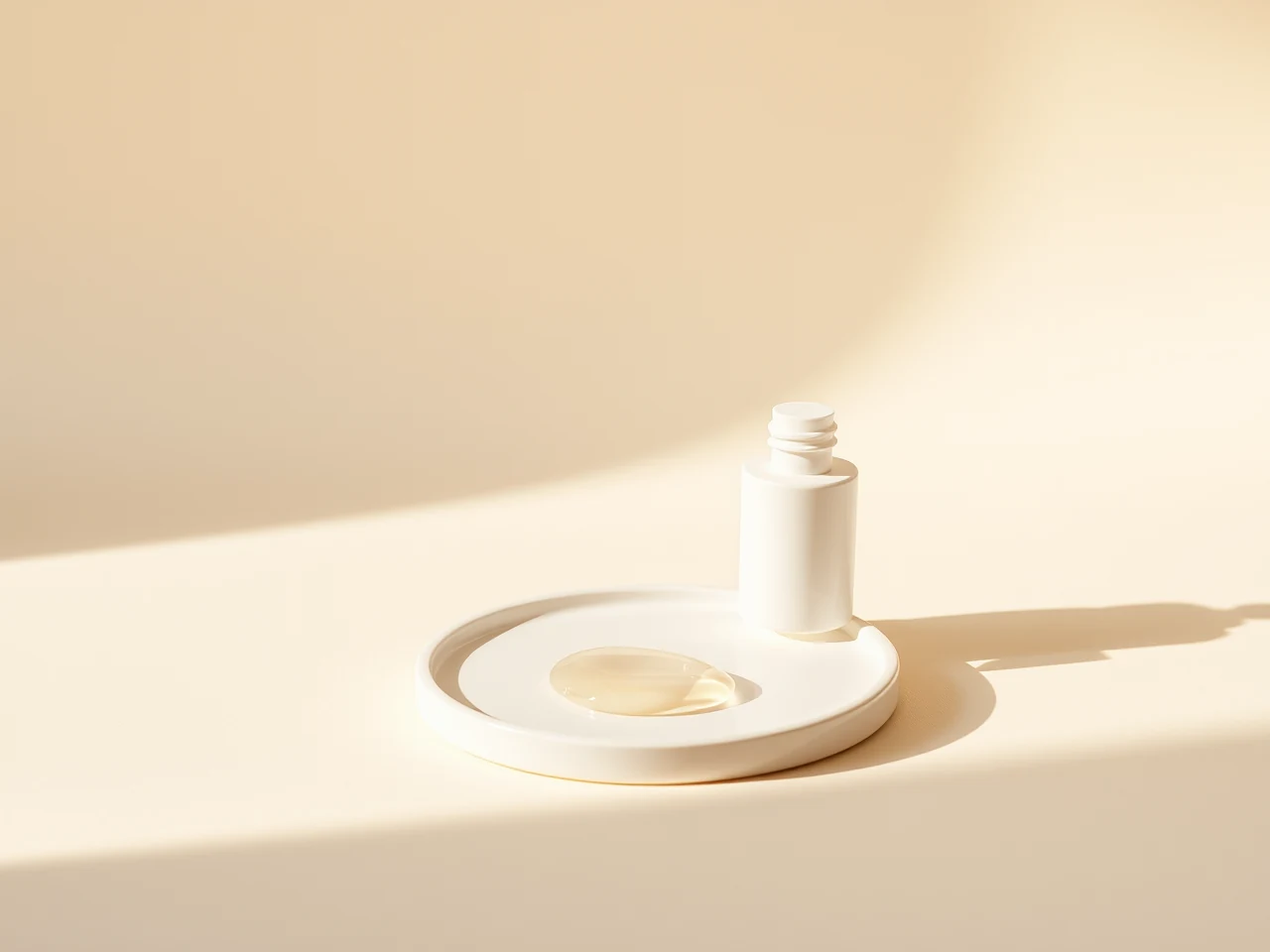
Top Coat
Top coat is a nail product applied over color or a prepared nail to create a specified finishing role; shine, reapplication and wear must follow the actual product directions.
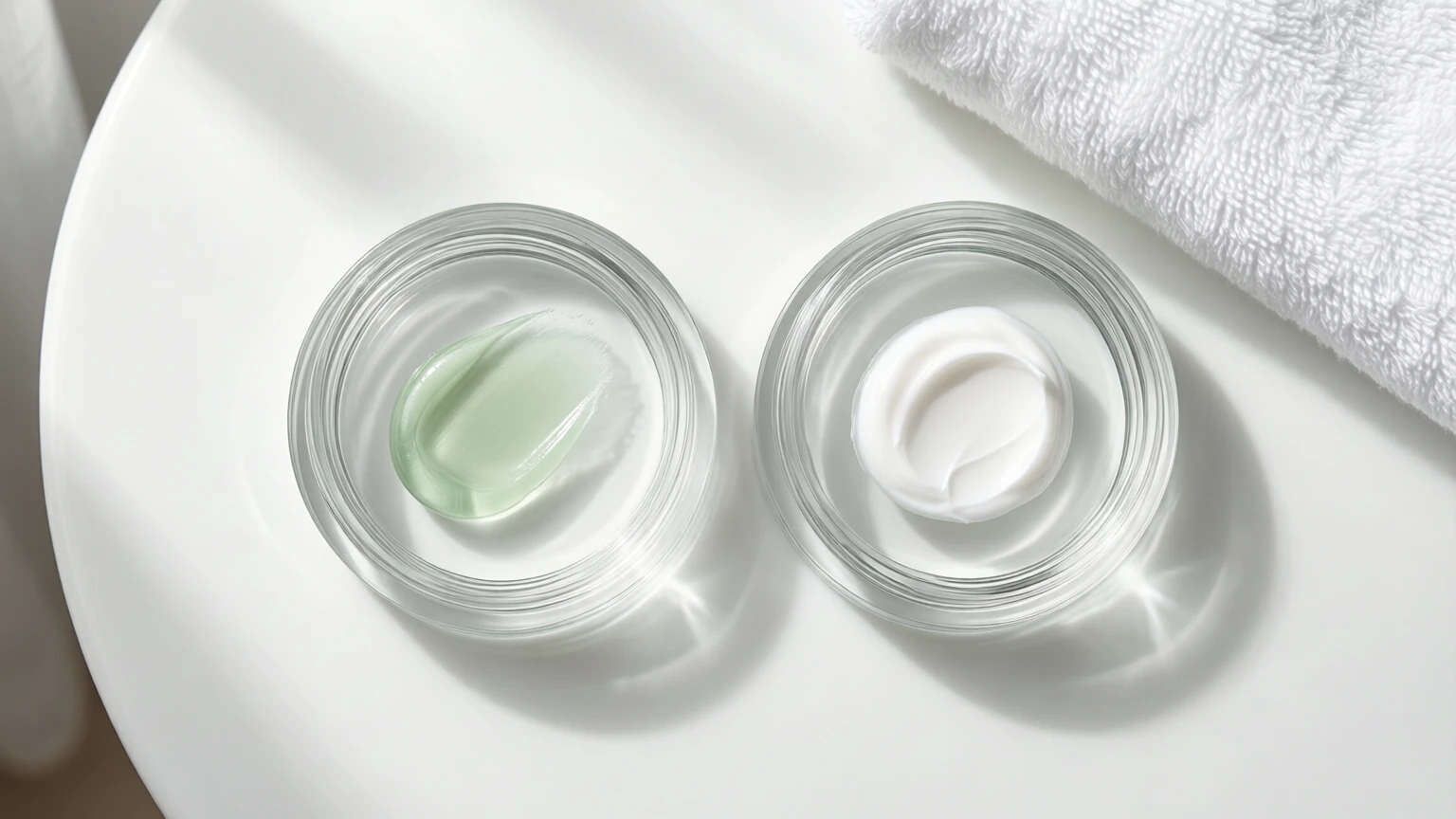
Dry-Down
Dry-down is the change from a cosmetic's first wet or slippery application state to the later state observed after following its directions; no single waiting time applies to every formula.
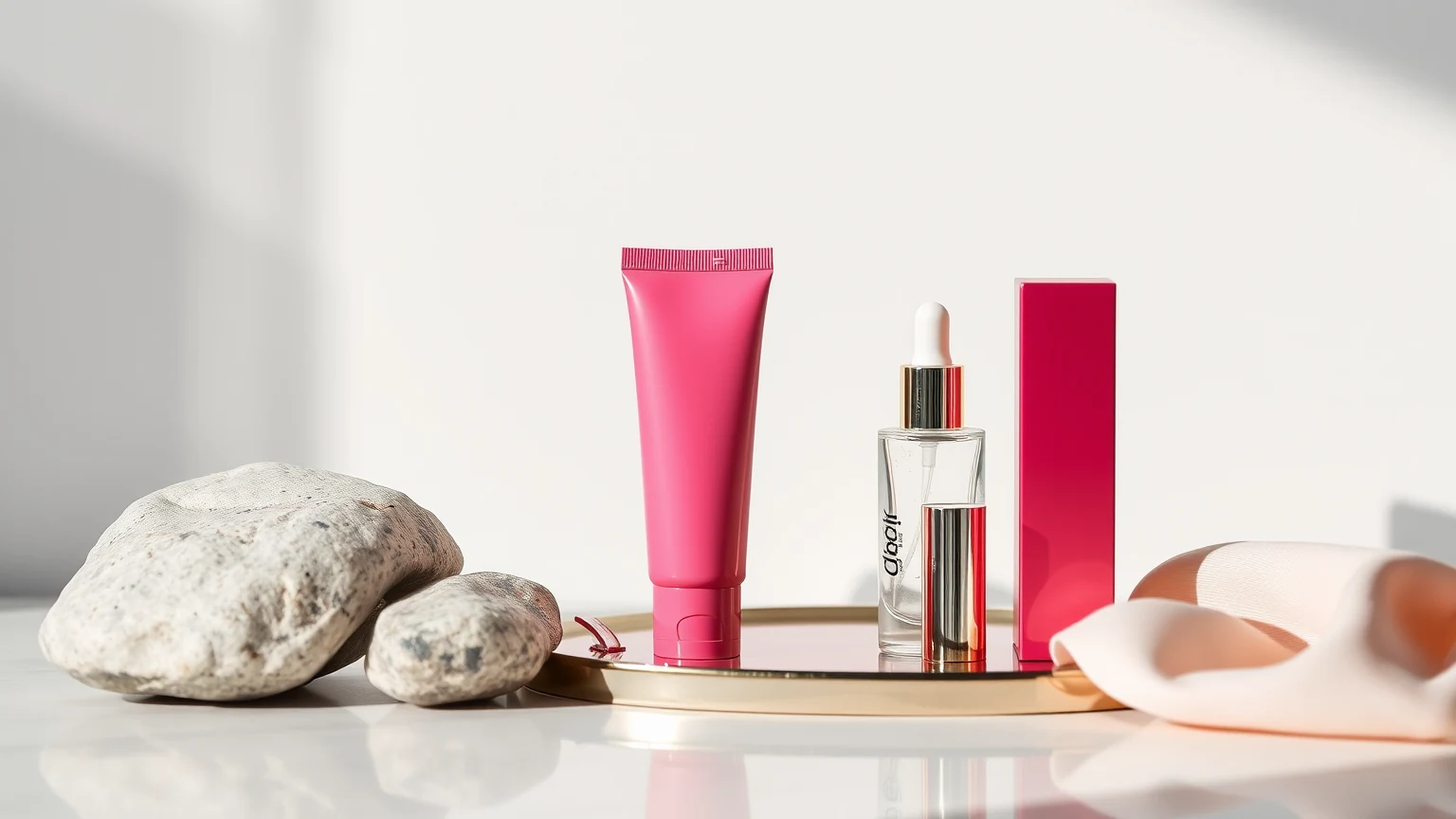
Pilling
Pilling is the visible rolling or gathering of applied cosmetic layers into small particles or strands; it describes an application outcome, not a diagnosis or proof that one ingredient is incompatible.
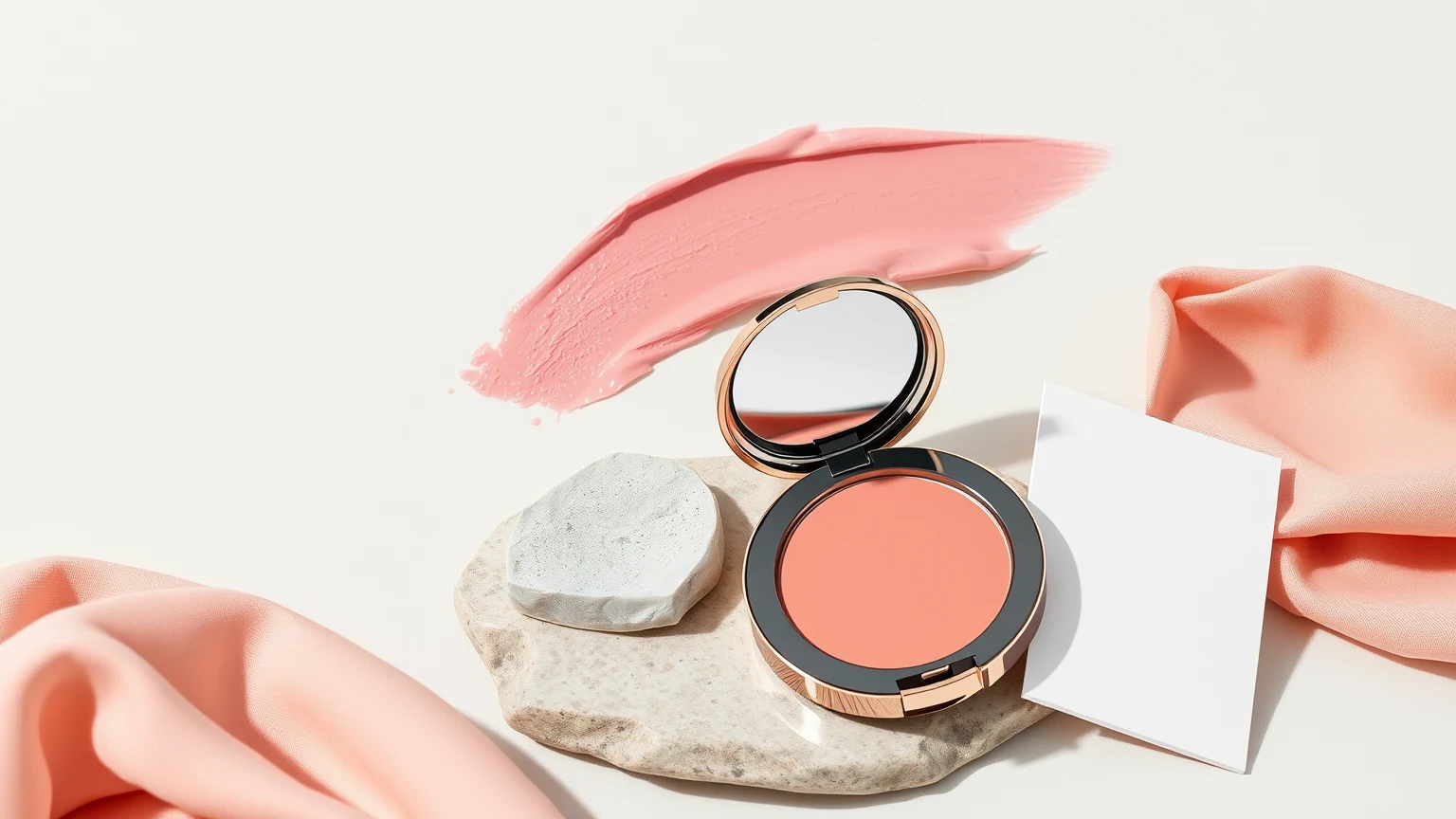
Reapplication
Reapplication means applying more of a specific beauty product after its first use; timing, amount, preparation and purpose must come from that product's directions and the actual setting.
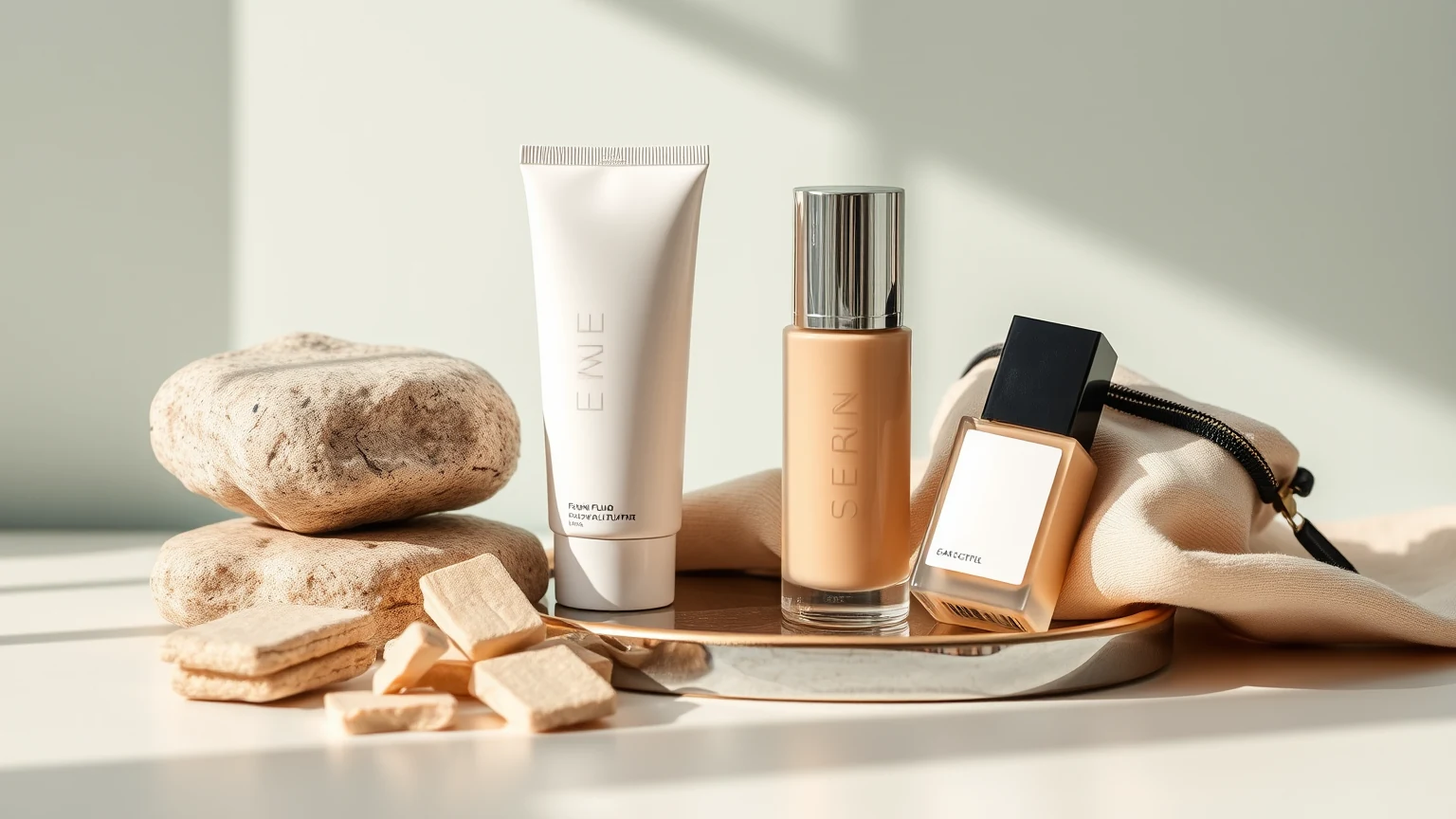
Desk-Light Check
A desk-light check is a factual review of makeup under the ordinary indoor light where it will be worn, used alongside—not instead of—daylight and other relevant viewing conditions.
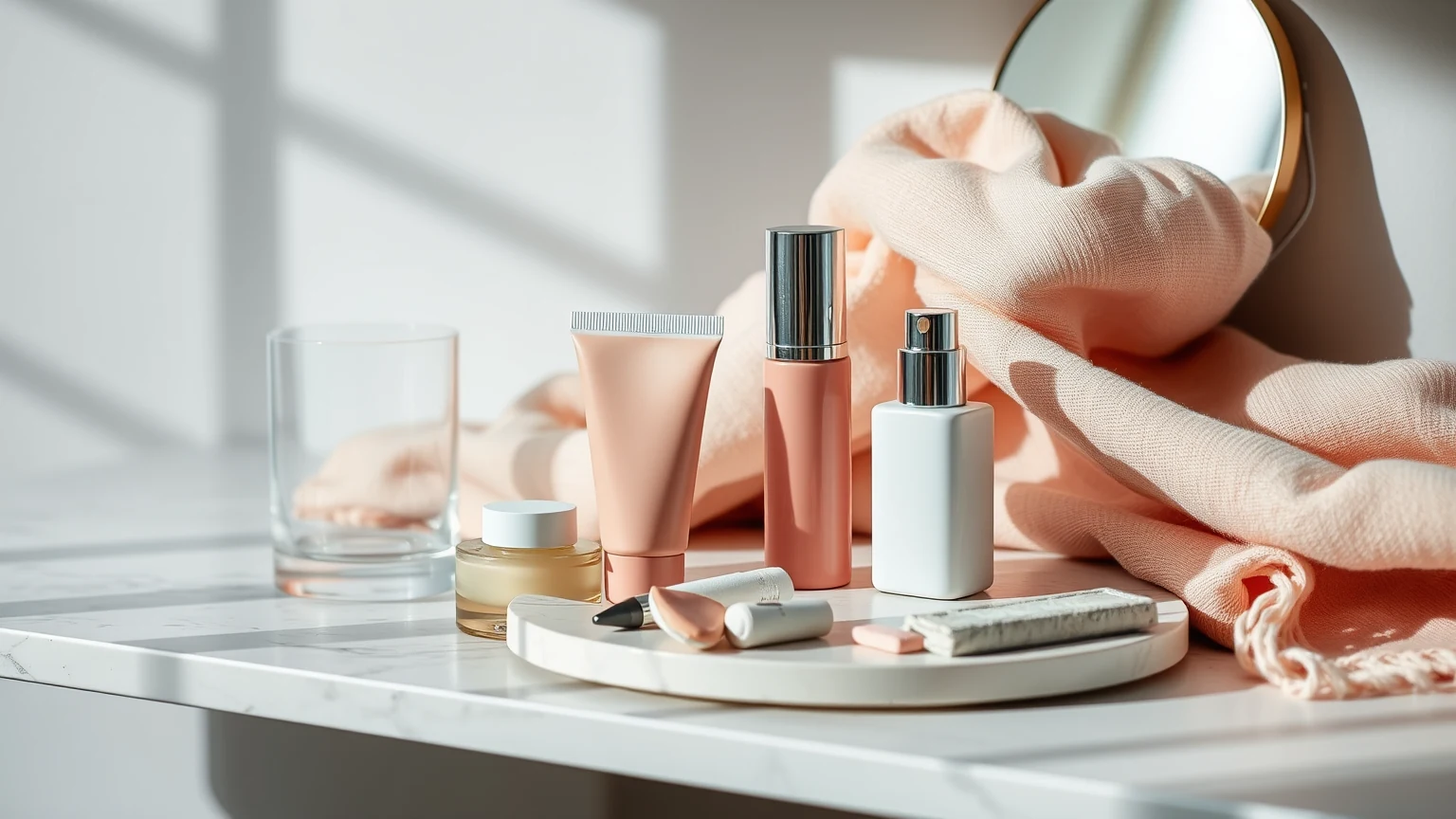
Travel Face
Travel face is Coyglow shorthand for a compact, task-specific beauty selection packed for an actual trip while preserving each product's label, closure, storage and application directions.
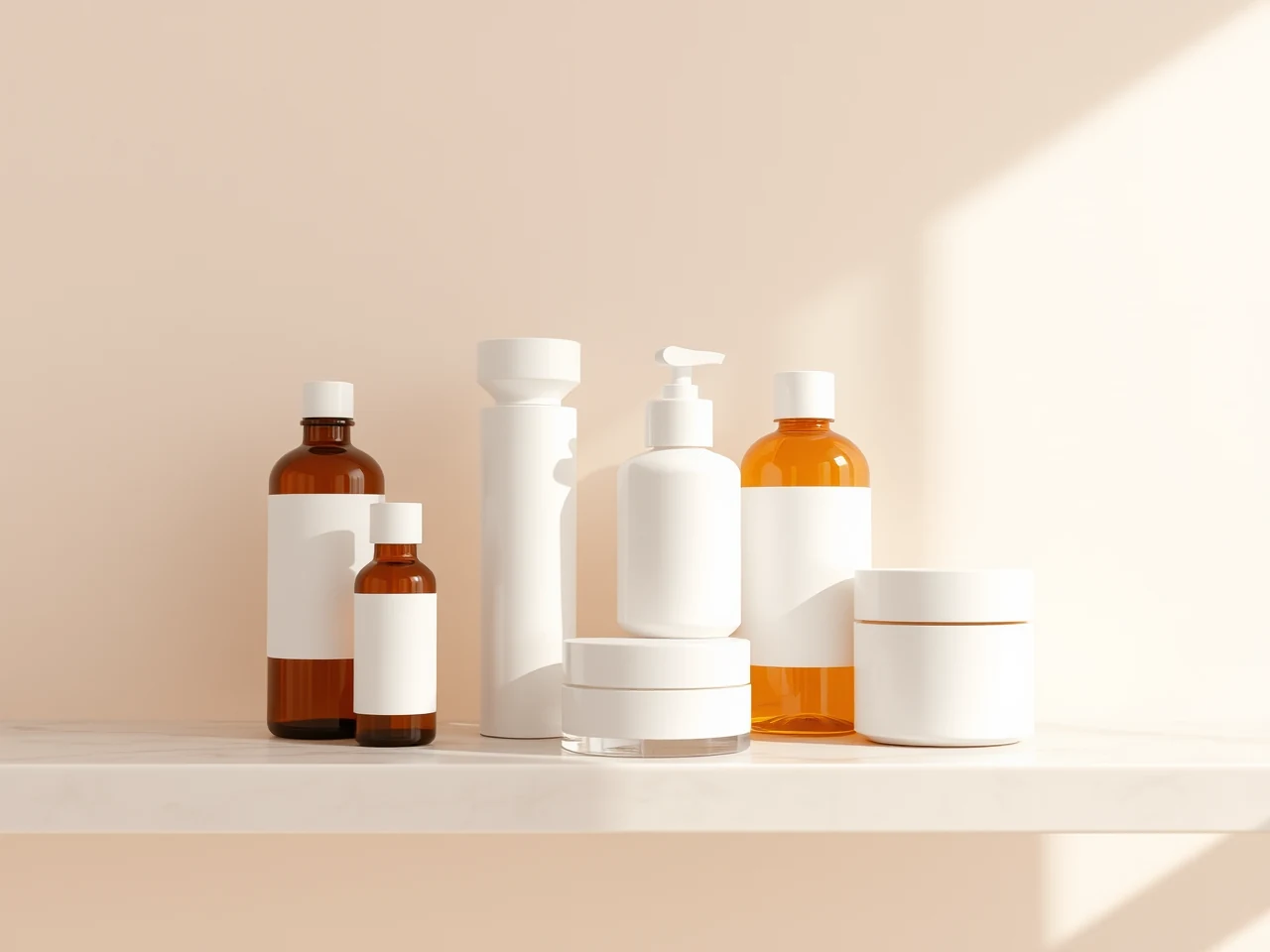
Shelf Edit
A shelf edit is a structured review of open beauty products by role, condition, directions and real use, deciding what stays accessible, moves to storage or leaves active rotation.
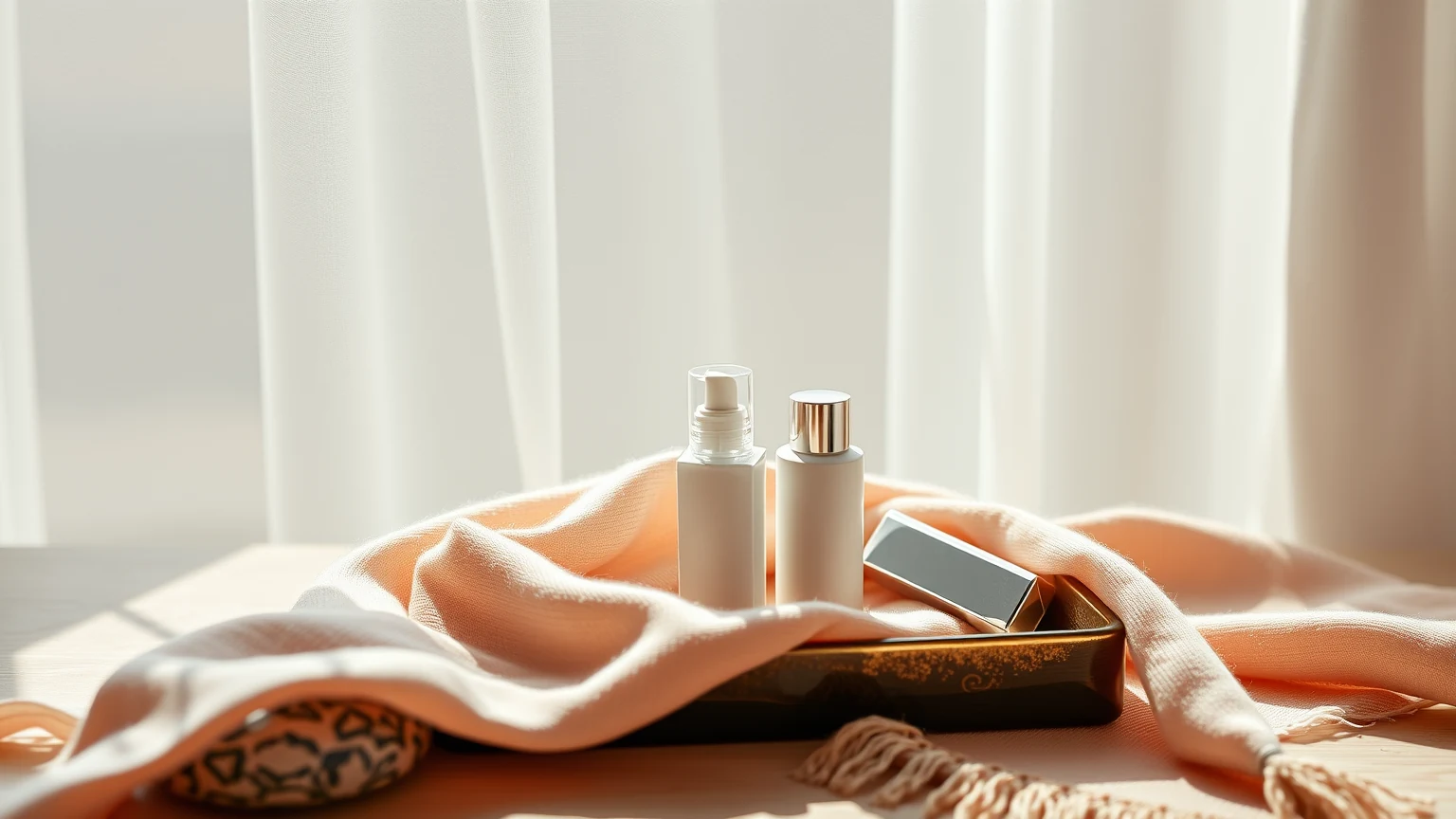
Product Role
A product role is the specific job a finished beauty item performs in a defined routine or look, based on its intended use and directions rather than its format, hero ingredient or marketing promise.
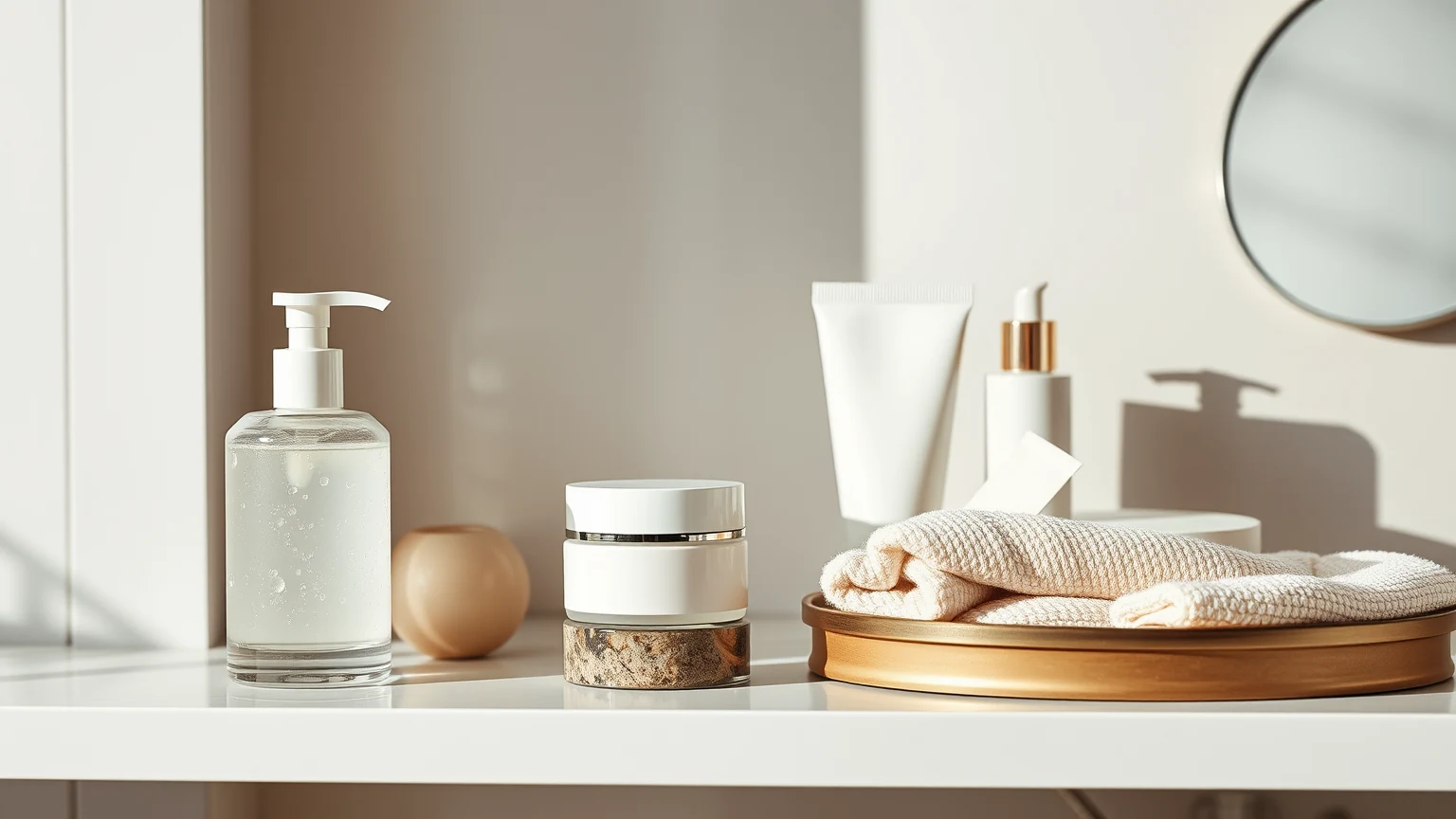
Routine Weight
Routine weight describes the combined effort a beauty routine asks for through product roles, textures, tools, packaging, time-sensitive directions and repeated decisions.
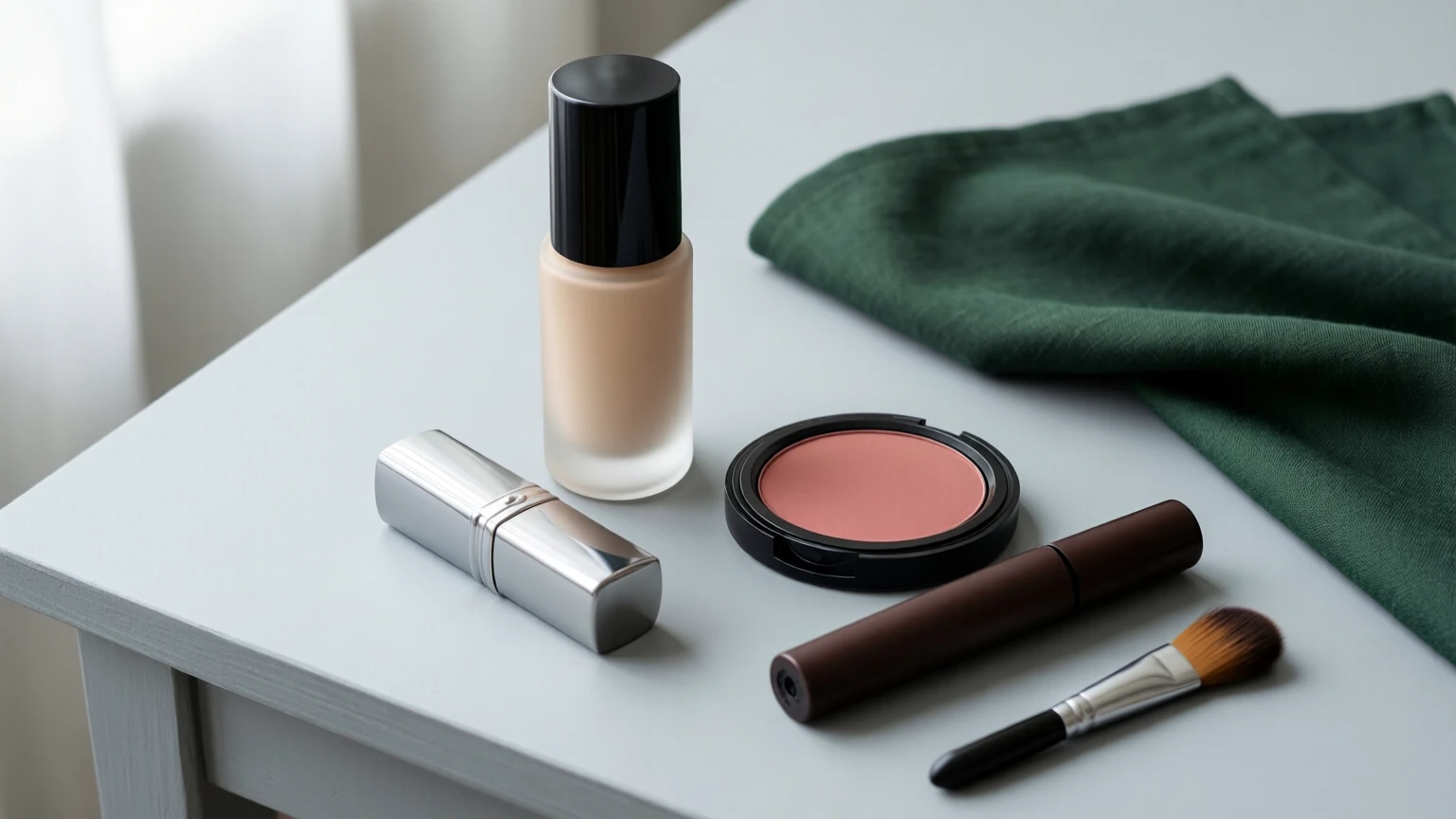
Texture Pairing
Texture pairing is a controlled comparison of two finished beauty products used in sequence, focused on application and finish rather than assumed ingredient compatibility.
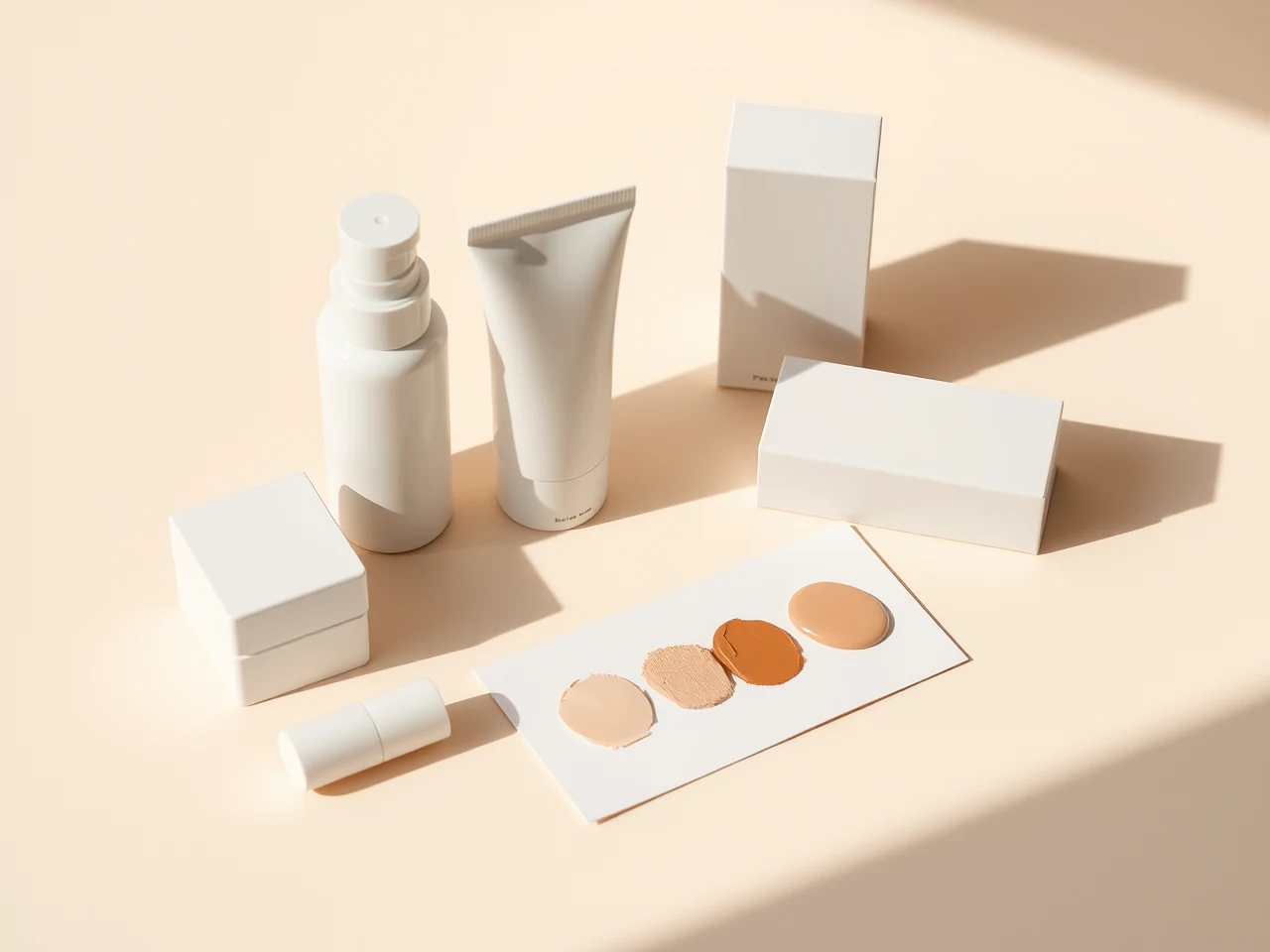
Swatch
A swatch is a small, controlled sample used to observe a cosmetic's visible color, opacity, texture and finish in stated conditions; it is limited evidence, not a wear or suitability guarantee.
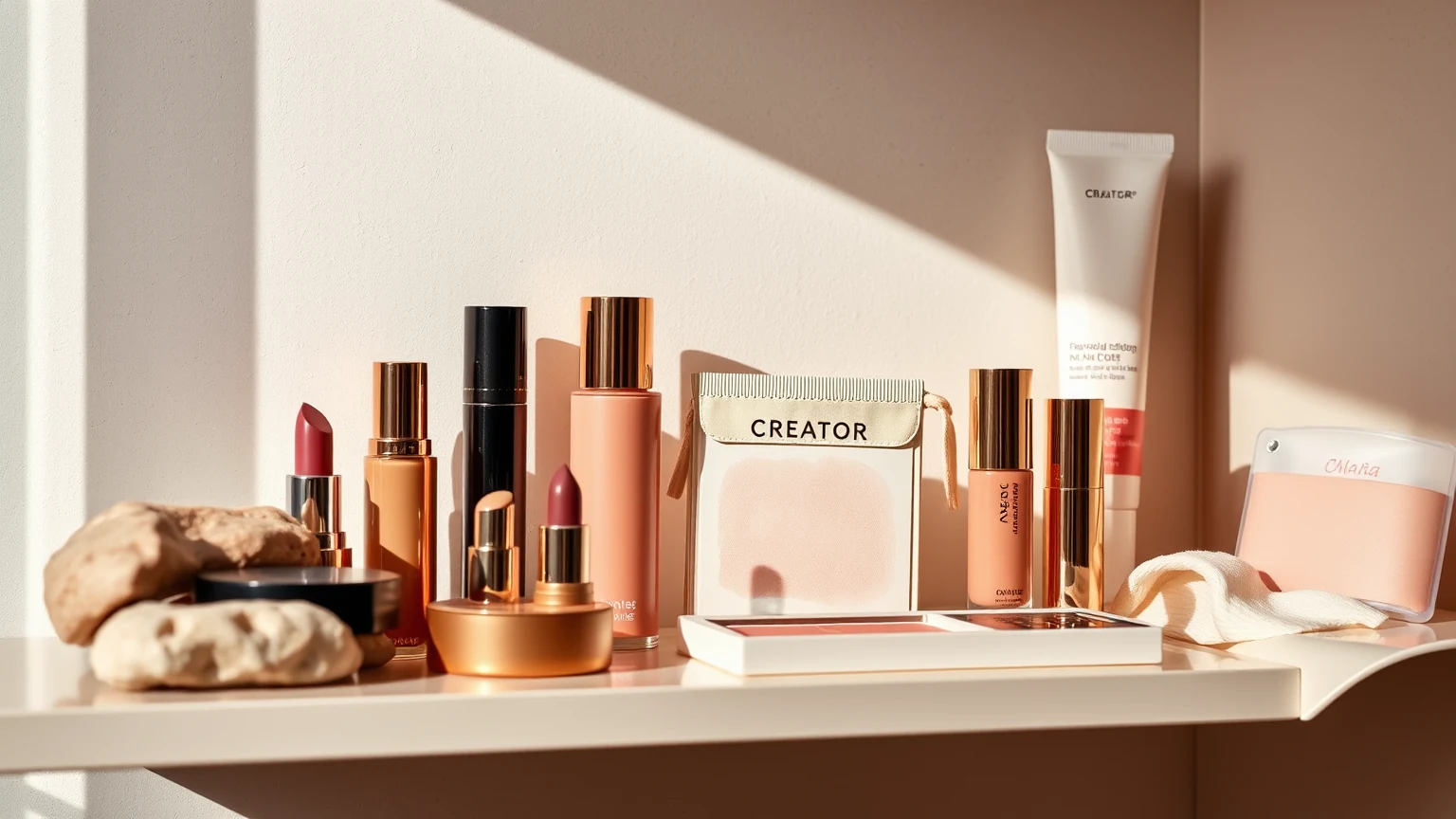
Undertone
Undertone is the cooler, warmer, olive, neutral or mixed color direction perceived beneath a cosmetic shade; it is a comparison tool, not an age, ethnicity or personality rule.
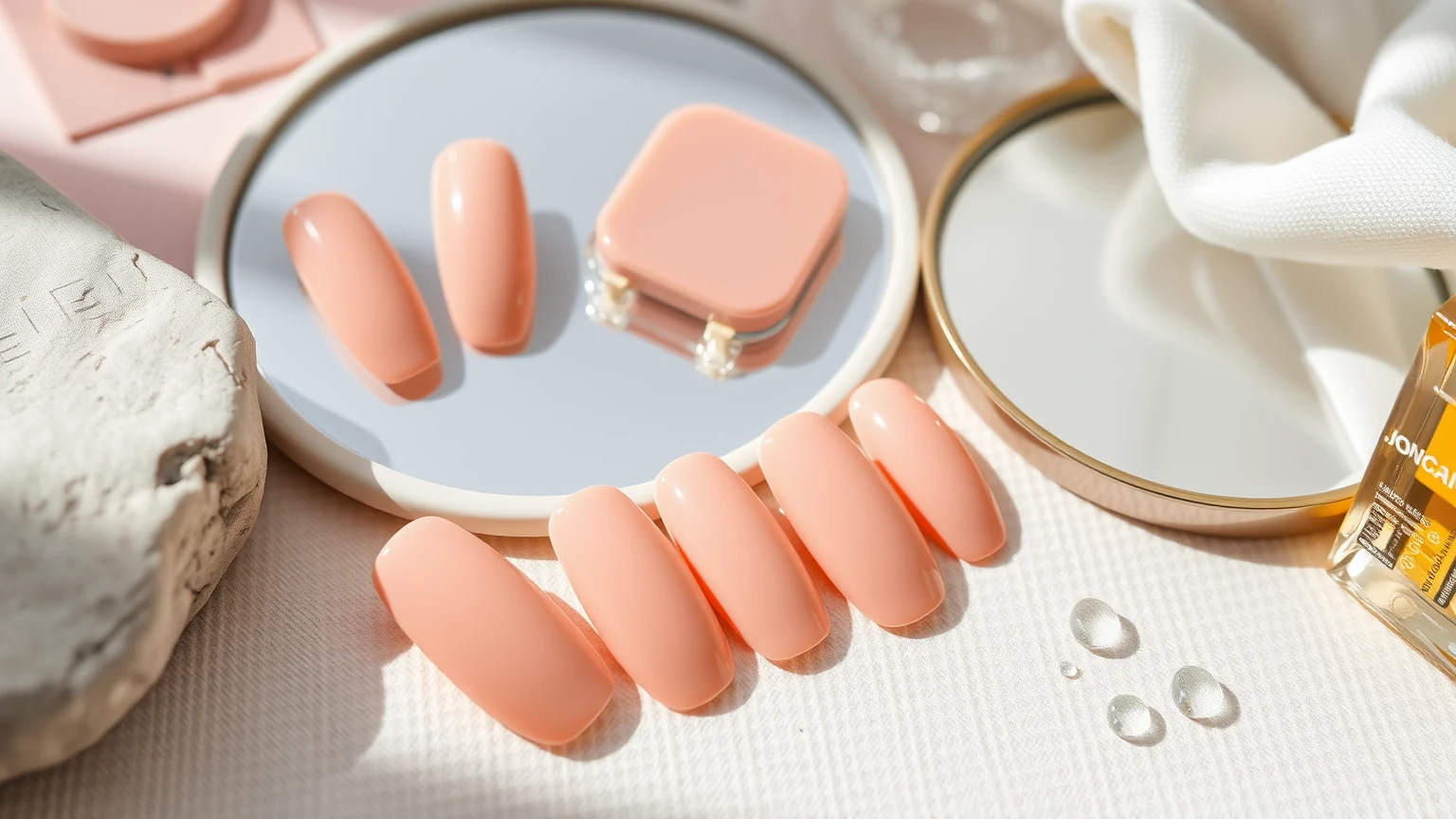
One-Point Color
One-point color is a styling decision in which one lip, cheek, eye or nail element carries the most visible color contrast while the rest of the look remains intentionally supporting.
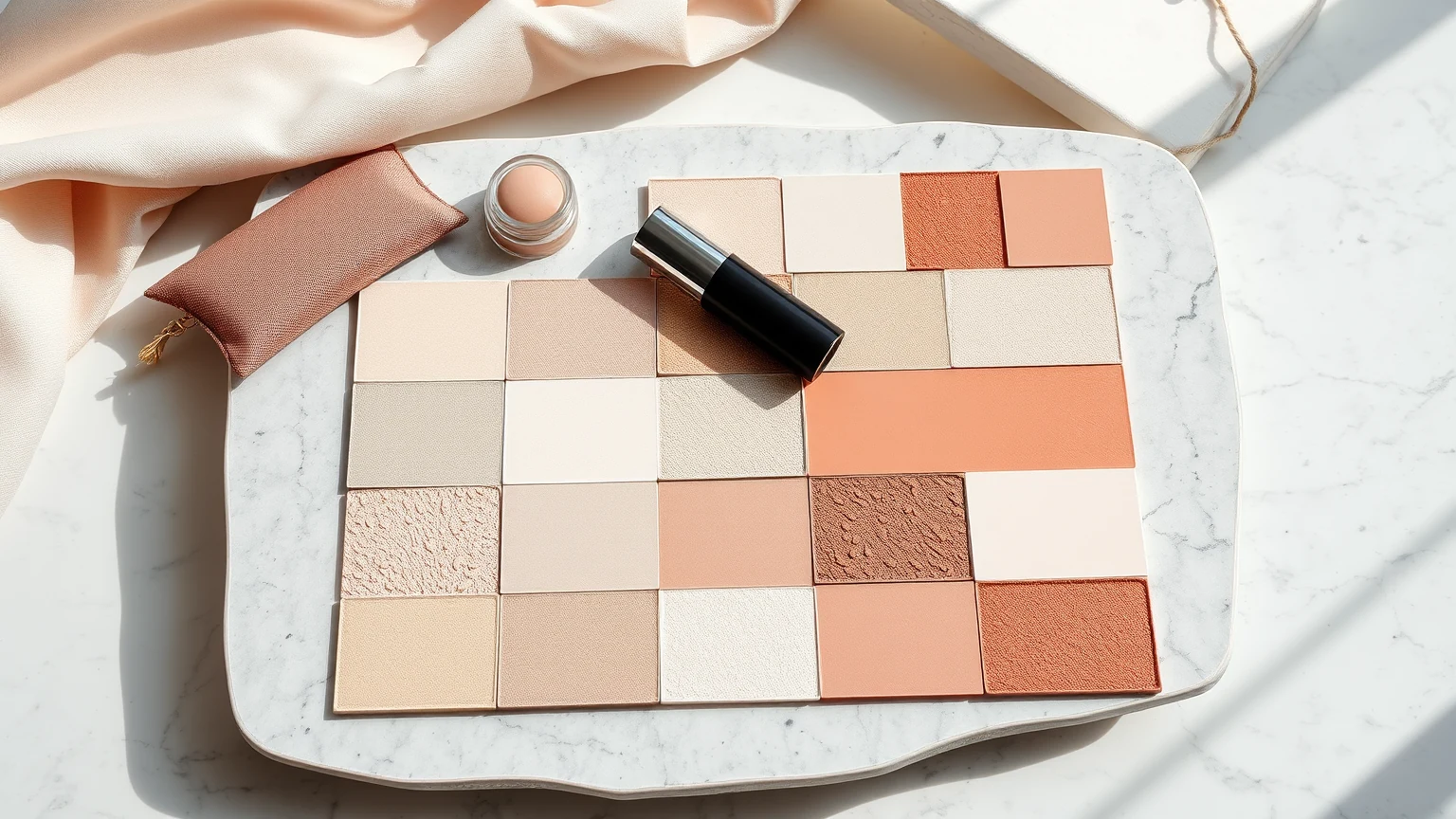
Beauty Finish
Beauty finish is the visible surface impression of a finished cosmetic—such as matte, satin, luminous, glossy or blurred—observed separately from texture, comfort and wear.
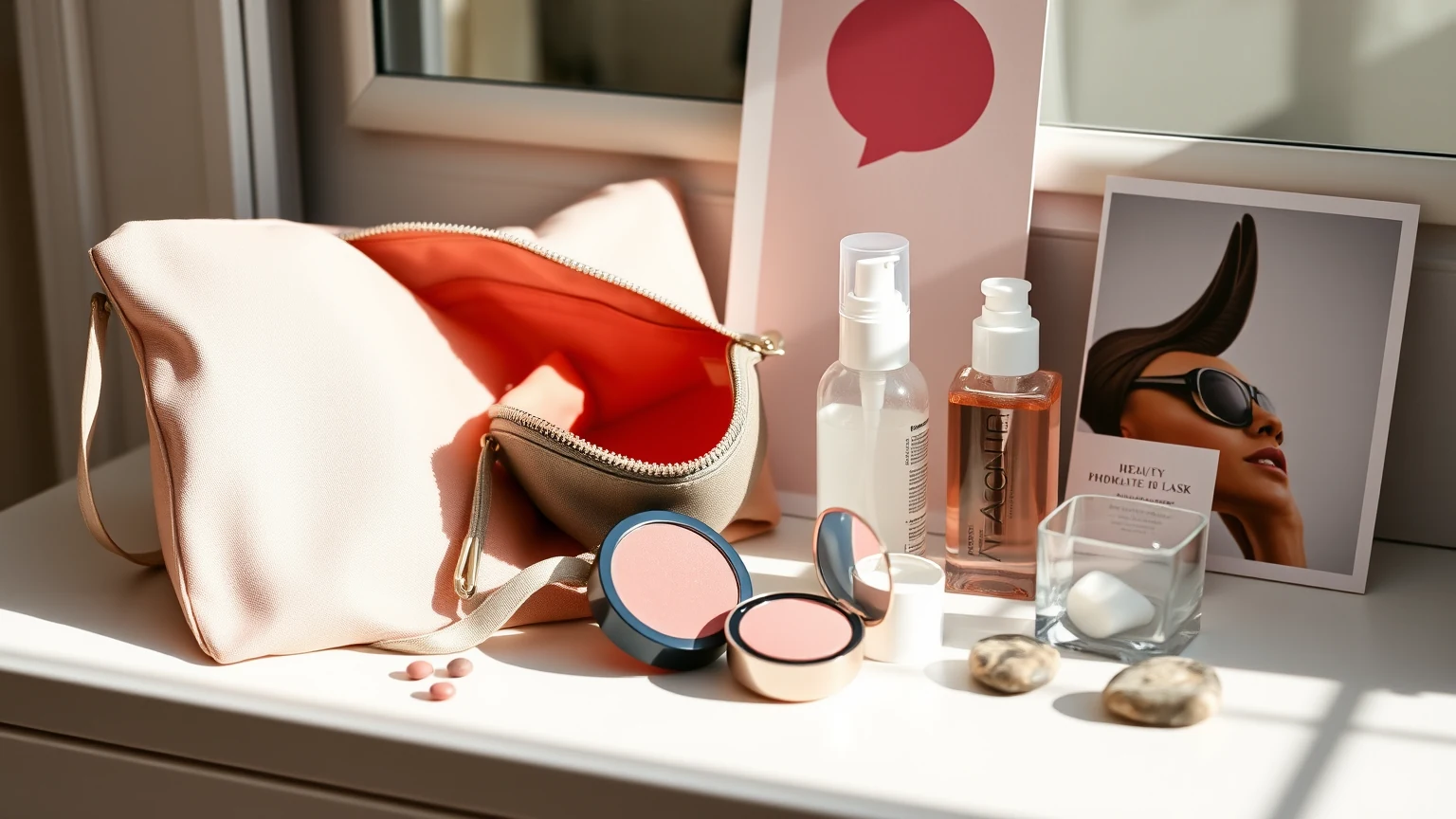
Wear Context
Wear context is the stated setting surrounding a beauty observation—products, application, light, activity, contact and maintenance—so a reader can judge what the experience does and does not support.