Short answer
One-point color is a styling decision in which one lip, cheek, eye or nail element carries the most visible color contrast. It does not require a neutral face, quiet clothing or a specific personality. The point is to identify the leading color role and make the surrounding finish choices intentional.
Choose the leading area
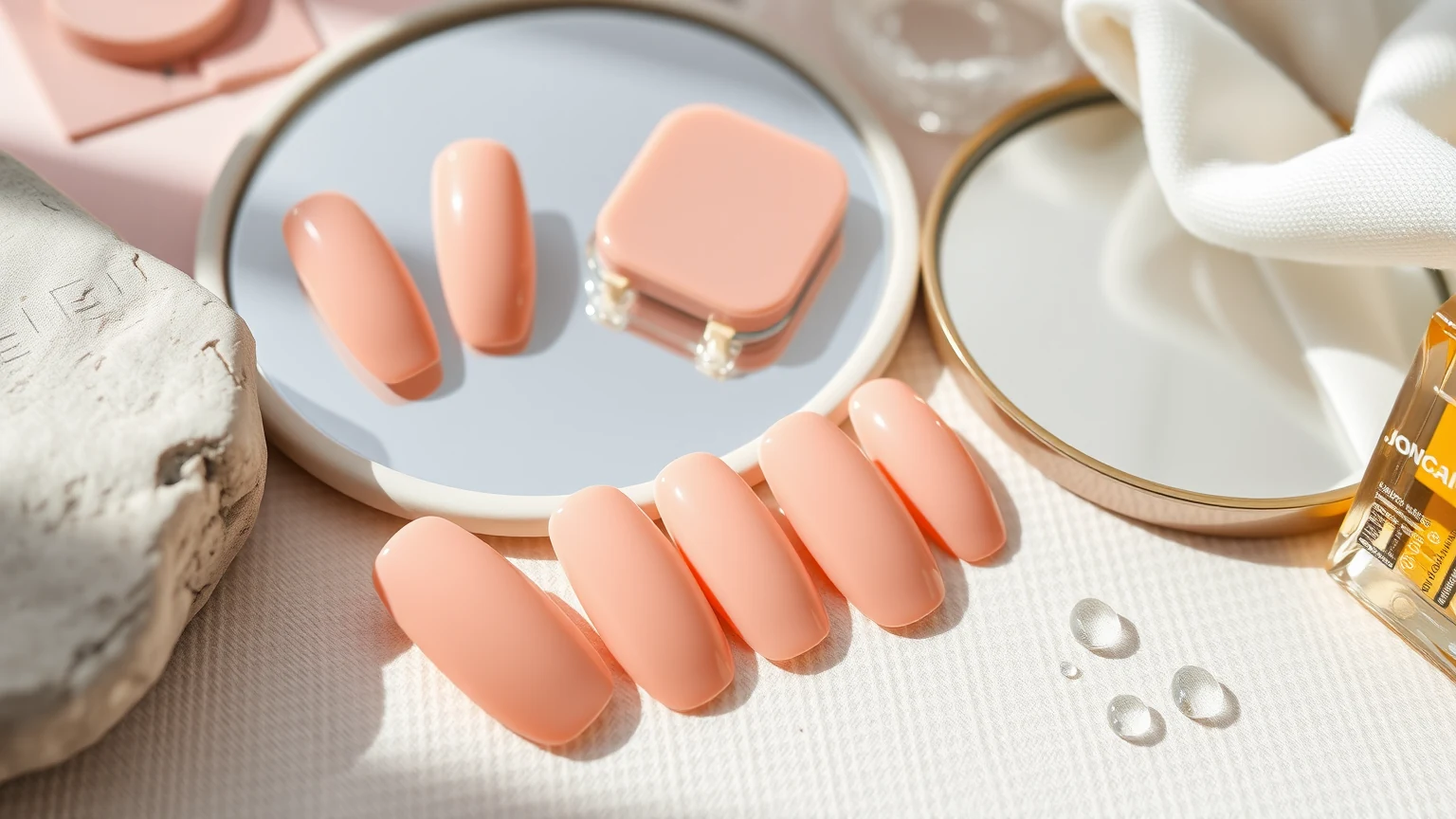
Start with the real setting and the product already under consideration. A lip can lead through edge, opacity or hue; a cheek can lead through placement and saturation; nails can carry the strongest color without becoming a statement about confidence or professionalism. Eye color must use products intended for the eye area.
Apply one controlled amount and step back before adding competing color. Compare the leading element with base finish, other color areas and clothing in the actual light. Supporting does not mean invisible: a softer cheek or lip can remain present without matching the lead shade. No rule says lips create shape, cheeks create freshness or nails belong only with a quiet outfit.
Keep formulas in their roles
Similar colors do not make lip, cheek, eye and nail products interchangeable. Follow intended-use labels and use clean tools. A single brand image cannot prove how a shade will appear on every person or screen, so state the product, shade and lighting whenever the look is demonstrated.
Common questions
Must the rest of the makeup be neutral? No. Supporting colors can remain visible; the leading contrast simply needs to be clear.
Can one product be used across several areas? Only when its labeling permits those application areas.
Sources: FDA color-additive information and FDA guidance for using cosmetics safely.