Published on February 7, 2025, by Coyglow Editorial Studio — 2 min read
Start With the Makeup Composition
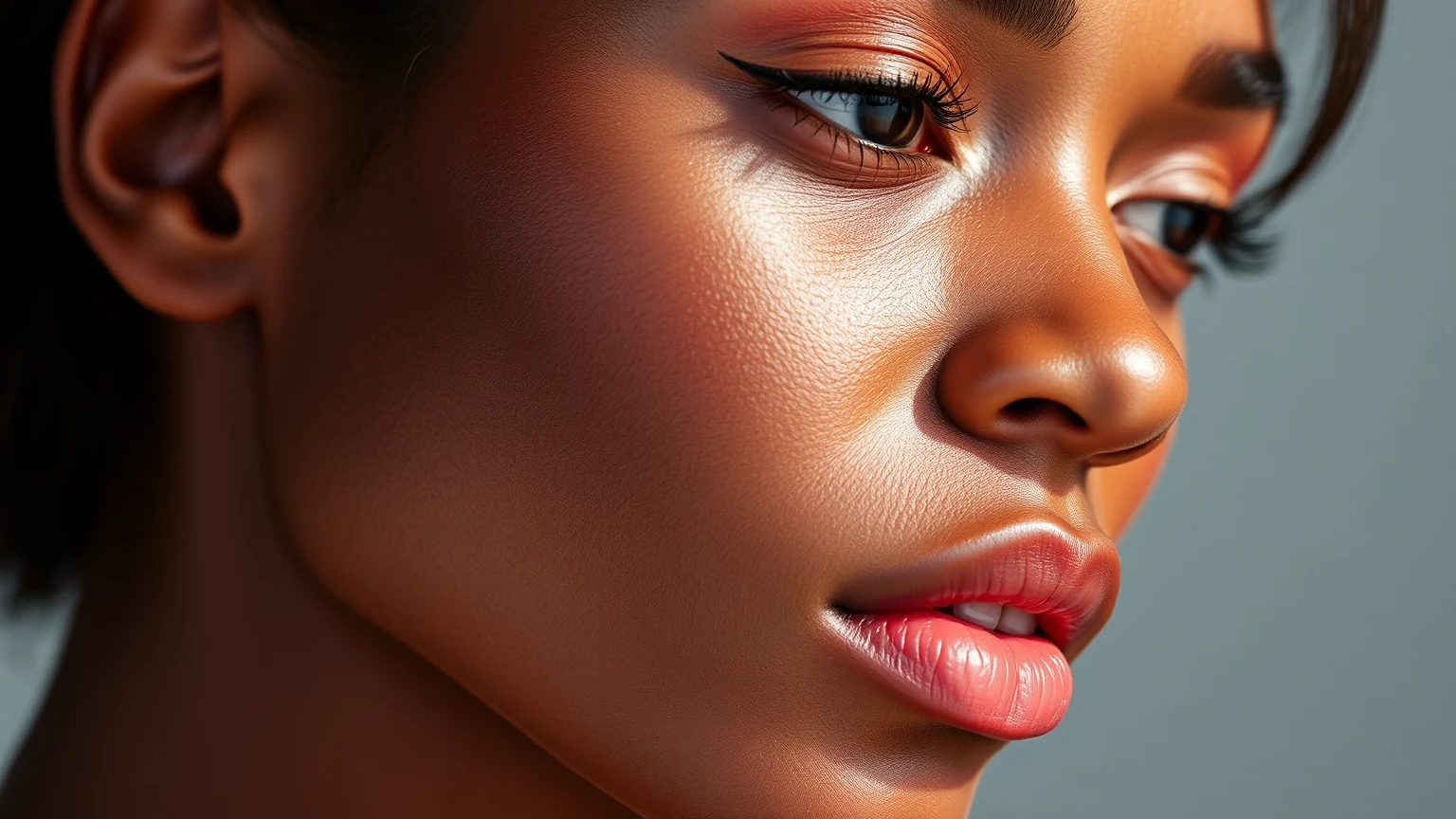
Decide what the concealer should do in this look: cover selected contrast, brighten, sculpt, sharpen an edge, mute color, connect base and eye makeup, create a graphic shape, or stay absent. Placement follows the image. No face area automatically needs coverage, and light does not prescribe one correct map.
Read the Exact Formula and Shade
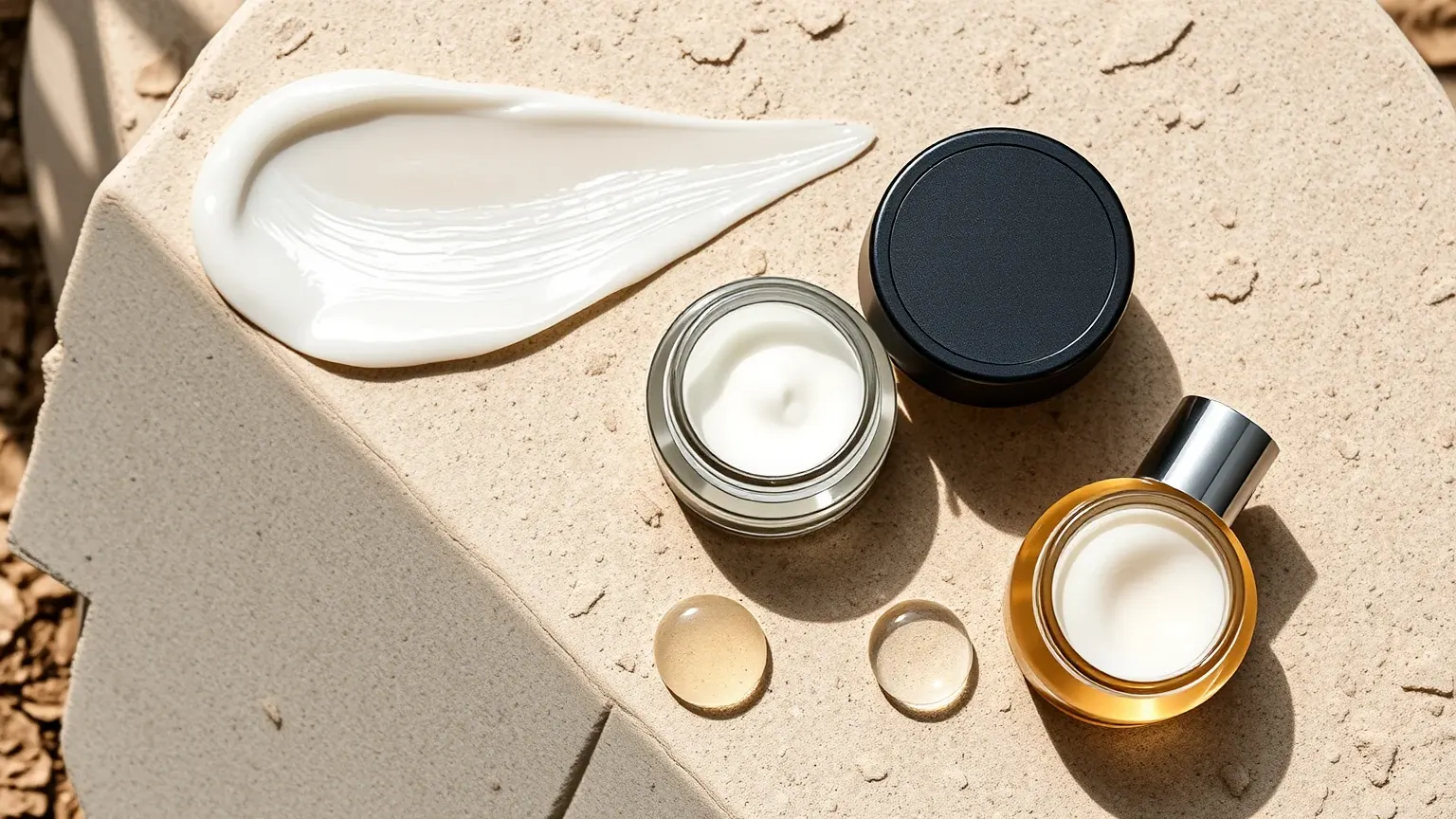
Keep the product directions, shade, undertone, opacity, finish, reflection, texture, package, applicator, current condition, and base products attached. A liquid, cream, stick, pot, or pen does not promise a fixed level of movement or coverage. Compare the complete item rather than relying on format shorthand.
Build Placement With Tools and Amount
Fingers, brushes, sponges, built-in applicators, palettes, stamping, sweeping, pressing, and layering can create different edges. Use any eligible amount that serves the look; a smaller area is not automatically more expensive or refined. Concealer can be invisible, deliberate, broad, selective, symmetrical, or not.
Observe Movement Without Correcting the Face
Record gathering, separation, reflection, transfer, fading, edge change, touch-up, and removal with the exact combination, light, movement, expression, and time. Lines and texture are part of a moving face. Powder or another setting step is optional and product-specific, not a duty wherever the formula moves.
Make Placement Accessible
Consider vision, color perception, grip, dexterity, tremor, reach, sensation, assistance, package force, mirror distance, lighting, labels, seating, hygiene, and cleanup. A broad handle, magnification, guide, prepared palette, tactile marker, verbal shade description, or another person can support the chosen image.
Choose the Finish on Purpose
Repeat the placement, move an edge, add or remove eligible coverage, change tools, compare another exact shade, set selected areas, let the formula remain visible, or skip concealer. The successful placement is the one that serves the wearer’s composition and access—not the one that looks least like makeup.
About Coyglow Editorial Studio
The Coyglow Editorial Studio connects skin, makeup, nails, and everyday decision-making with clarity and restraint.