Published on August 23, 2024, by Coyglow Editorial Studio — 1 min read
Write Placement and Shade Into the Same Brief
Name color family, depth, undertone description, opacity, finish, edge, location, scale, light, camera, base, and the complete look together. Placement changes where color appears; shade changes what that placement communicates. Neither dimension needs to lead every blush decision.
Read the Exact Blush and Tool
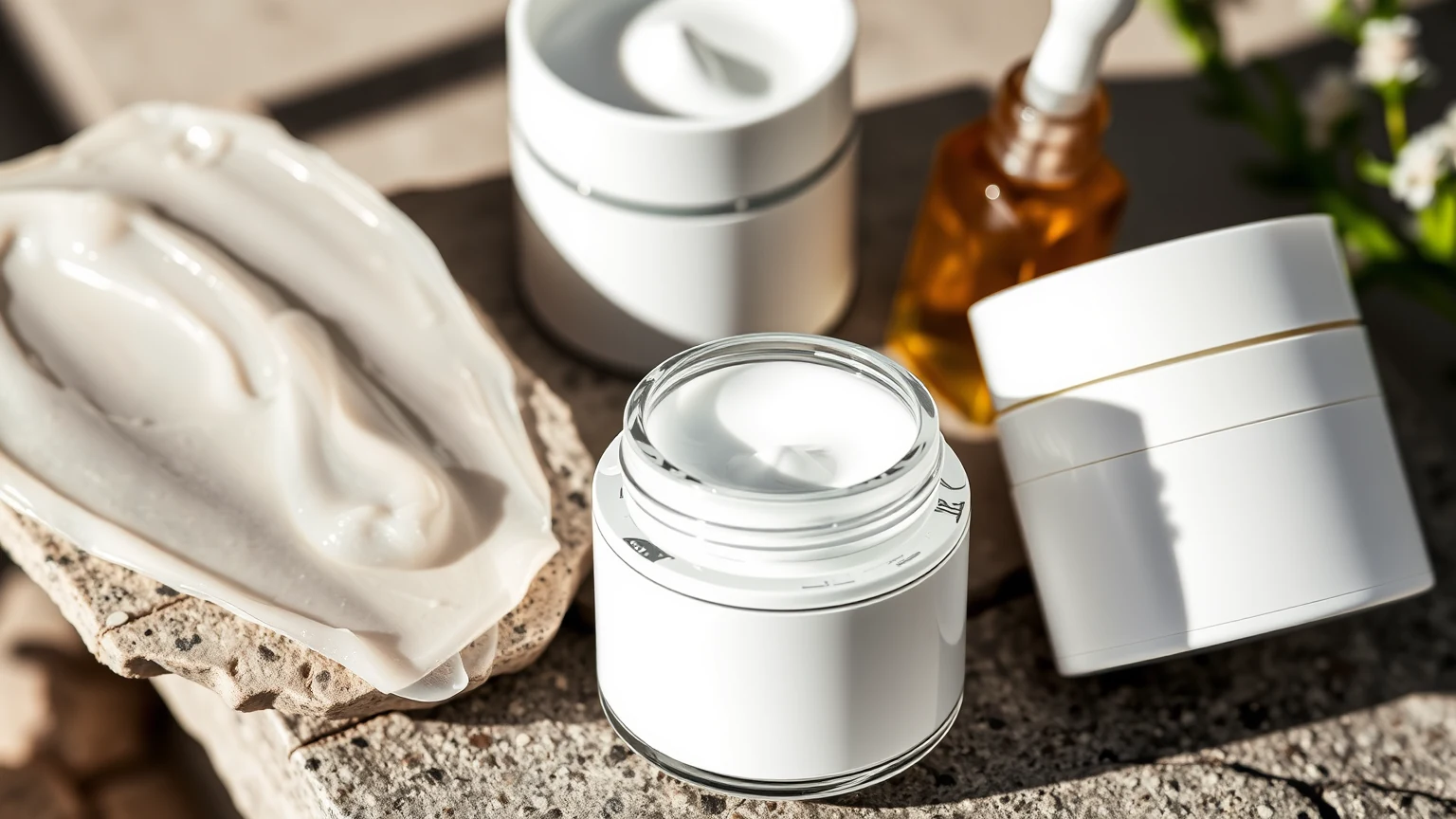
Check live shade, formula and finish information, directions, warnings, applicator, package, price, availability, and visual material. Cream, powder, liquid, stick, tint, or stain are format cues—not universal promises about blur, shine control, decisiveness, blend time, edge, wear, or ease.
Build Shape Without Face-Correction Rules
Place color high, low, central, across features, near the eye, toward the temple, under the cheek, asymmetrically, or outside conventional zones according to the composition. Blush does not need to lift, slim, widen, warm, feminize, or make a face look vibrant. The wearer owns the shape and meaning.
Coordinate Opacity, Edge, and Reflection
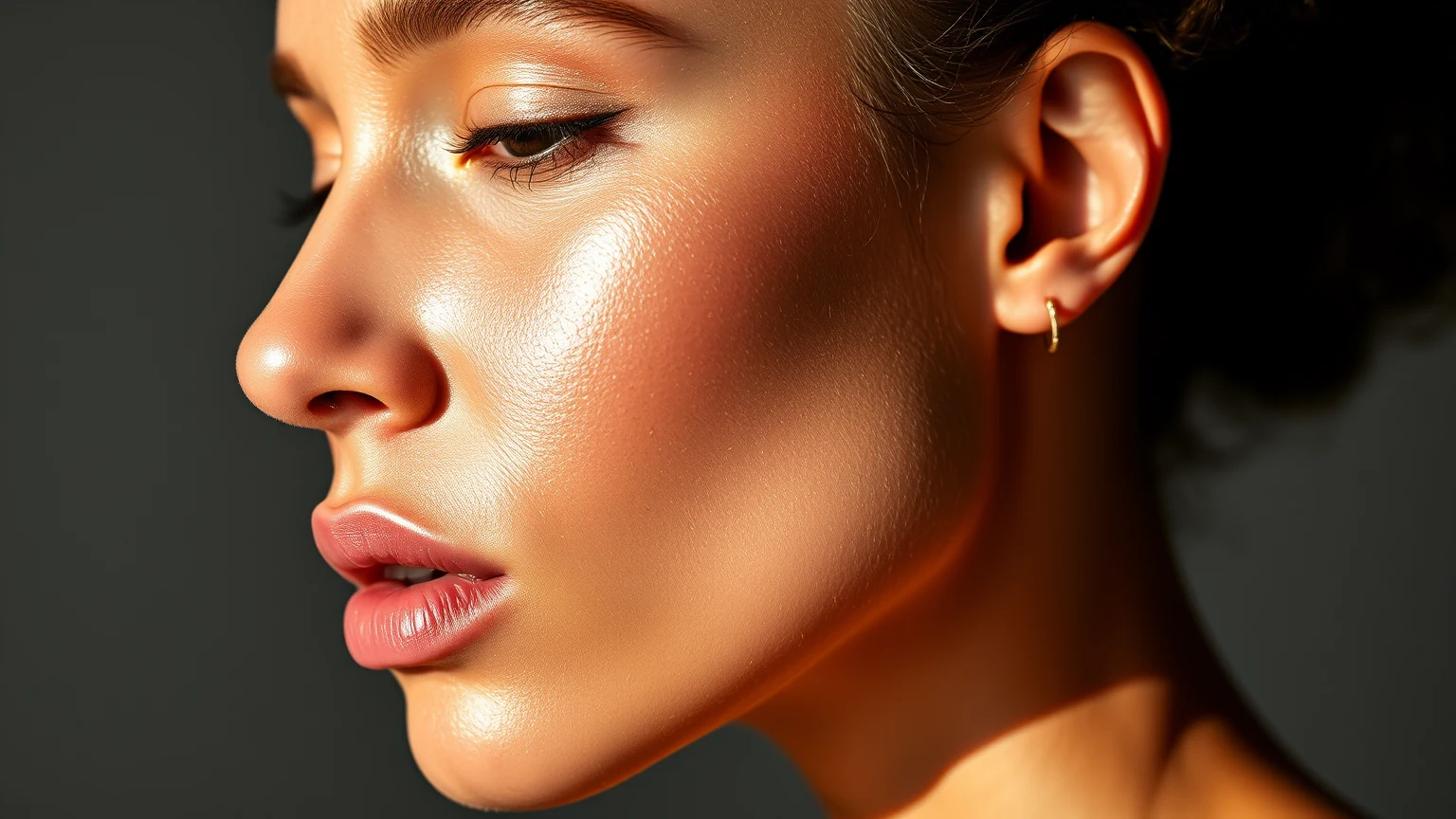
Use eligible amount, layers, fingers, brush, sponge, and base relationship to create a crisp edge, transparent veil, opaque field, diffused cloud, glossy point, matte plane, or mixed surface. A soft build is not automatically more wearable, and visible cosmetics are not a failure of technique.
Let Skin, Makeup, and Nails Answer One Another
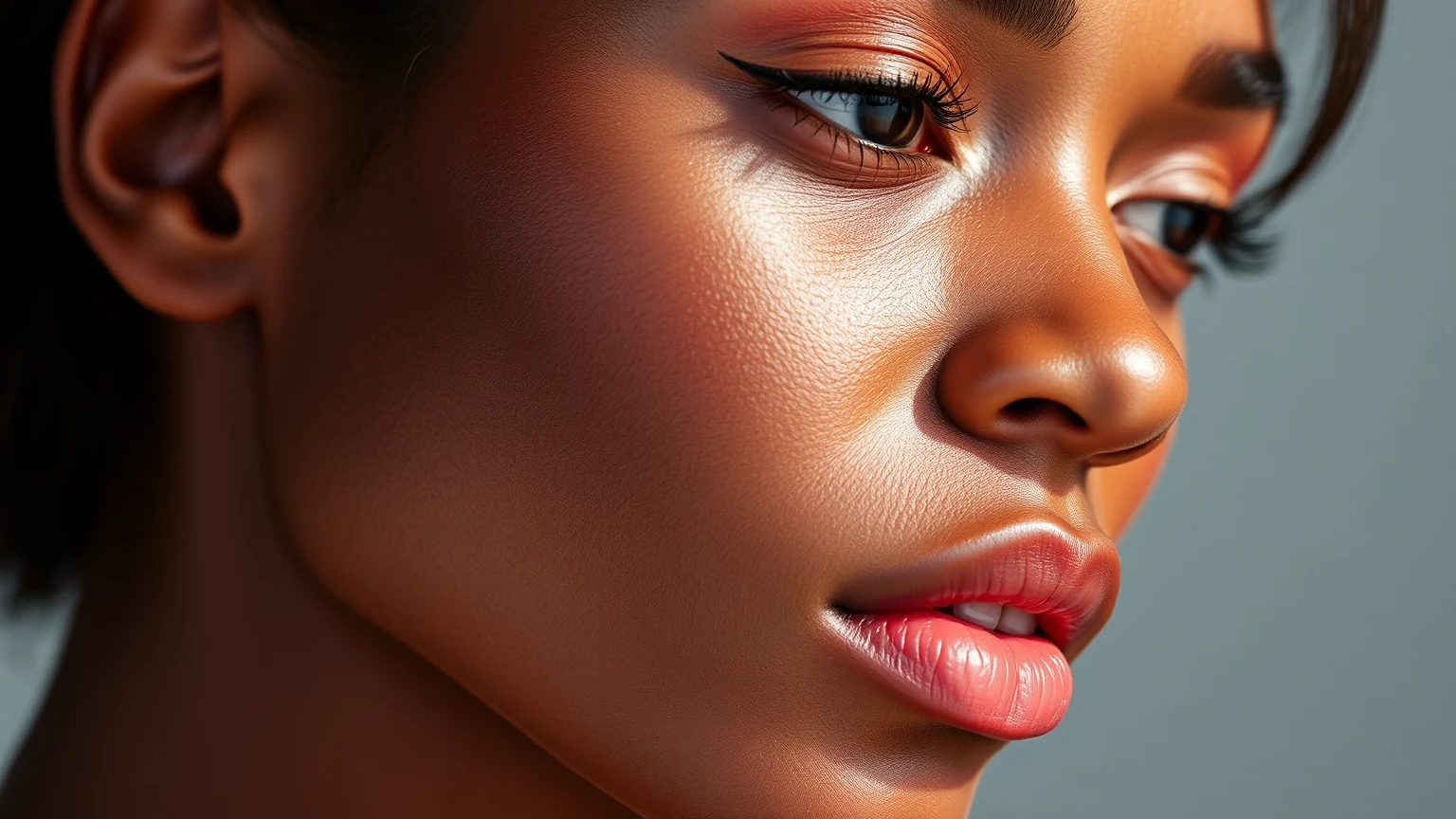
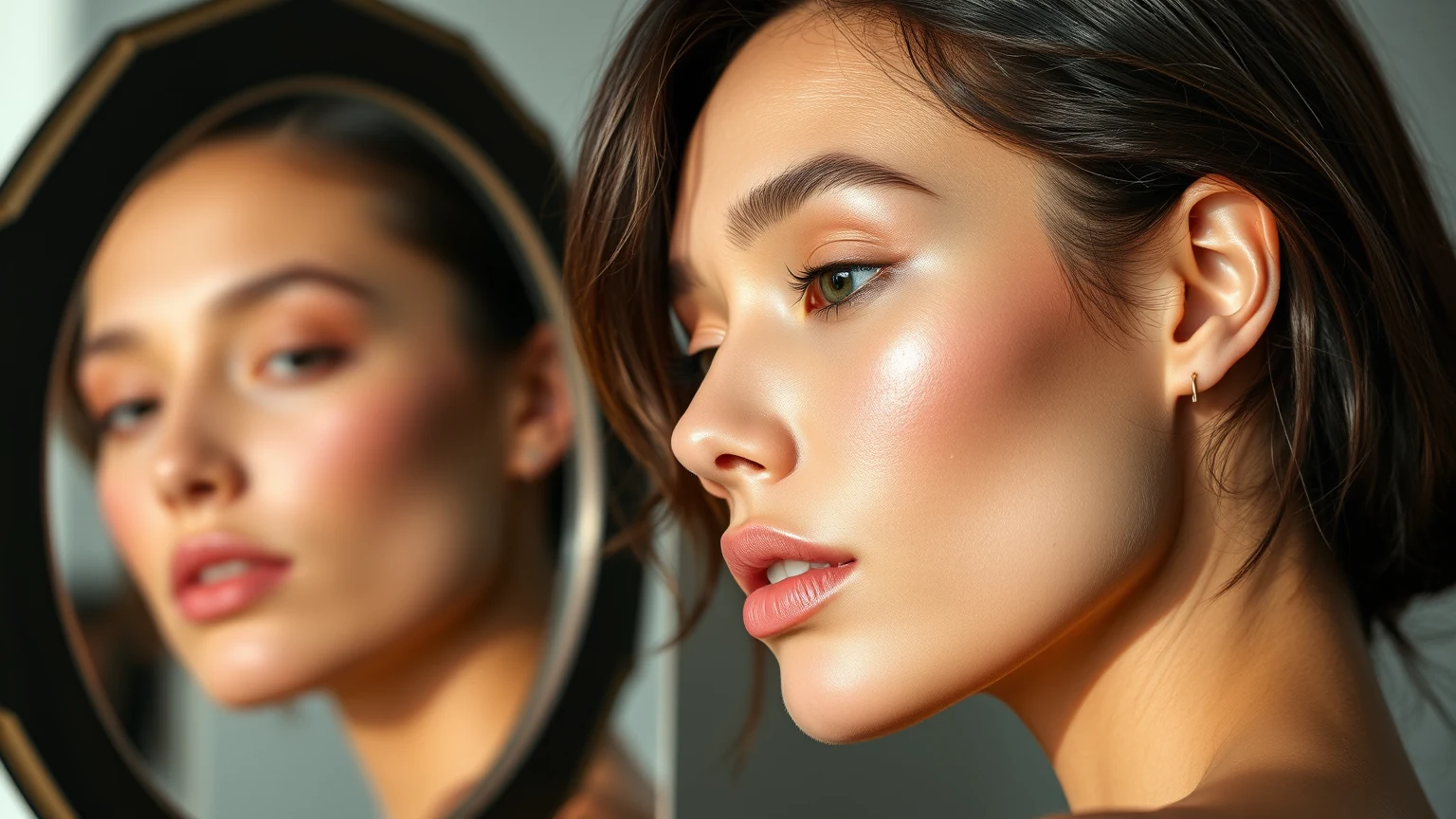
Read blush with complexion, brow, eye, lip, hair, jewelry, clothing, and nails. Echo the same hue in a nail look, oppose temperatures, repeat a finish, or let each area carry independent color. Blush can resemble circulation, paint, light, shadow, ornament, or an invented surface.
Observe the Exact Look, Then Revise
Check shade relationship, placement, opacity, edge, reflection, movement, photographs, touch-ups, access, and removal in the relevant setting. Save exact product, shade, amount, tool, base, and light when helpful. Then repeat, relocate, recolor, sharpen, blur, layer another eligible formula, or leave blush out.
About Coyglow Editorial Studio
The Coyglow Editorial Studio connects skin, makeup, nails, and everyday decision-making with clarity and restraint.