Published on August 22, 2024, by Coyglow Editorial Studio — 2 min read
Separate Coverage From Physical Sensation
Coverage describes how much visual information is altered; weight describes a wearer’s physical or emotional experience and may mean different things to different people. Opacity, thickness, slip, set, reflection, movement, and comfort are separate observations. Full coverage is not inherently heavy, and sheer coverage is not inherently effortless.
Read the Exact Shade and Finished Formula
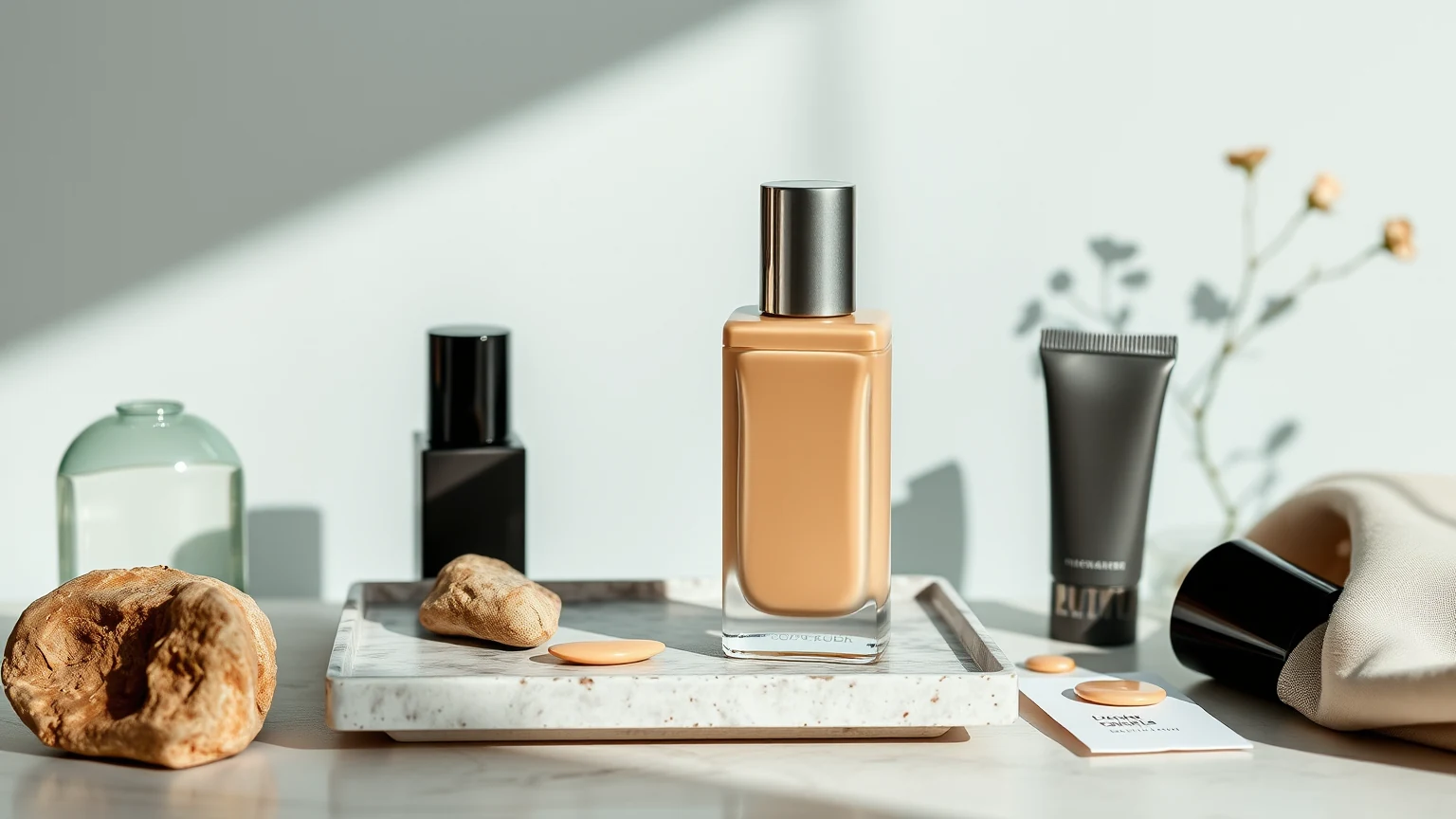
Check live shade, depth and undertone description, coverage and finish language, format, directions, warnings, formula information available, package, tools, price, availability, and sample or return options. Foundation, tint, concealer, and cheek color have different jobs; category words alone do not establish how they layer or feel.
Design Coverage Through Placement and Amount
Cover the whole face, target selected areas, keep features visible, build layers where eligible, mix surfaces, or leave intentional gaps according to the brief. Use fingers, brush, sponge, or another eligible tool for the desired edge and surface. No placement strategy is more polished, skin-like, modern, or honest by default.
Evaluate in the Light and Camera That Matter
View shade relationship, opacity, reflection, texture, edge, and movement in the room, outdoor context, screen, flash, stage, or camera connected to the look. Daylight is one source of information, not the universal judge. Record what changes across contexts without turning a photograph into a formula verdict.
Compose the Complete Look
Read foundation with brow, eye, cheek, lip, hair, jewelry, clothing, and nails. Pair opaque skin with transparent color, sheer skin with graphic pigment, several reflective surfaces, or intentional tonal contrast. The base can disappear, announce itself, or sit between those positions without needing to imitate untouched skin.
Turn Wear Into a Specific Revision
Observe sensation, shade, opacity, reflection, transfer, movement, touch-ups, access, photographs, and removal for the duration the real plan requires. Save exact product, shade, amount, tool, placement, light, and preference when useful. Then repeat, redistribute, change one eligible design variable, compare another formula, or choose no base.
About Coyglow Editorial Studio
The Coyglow Editorial Studio connects skin, makeup, nails, and everyday decision-making with clarity and restraint.