Published on August 24, 2026, by Coyglow Editorial Studio — 2 min read
Start With The Berry You Mean
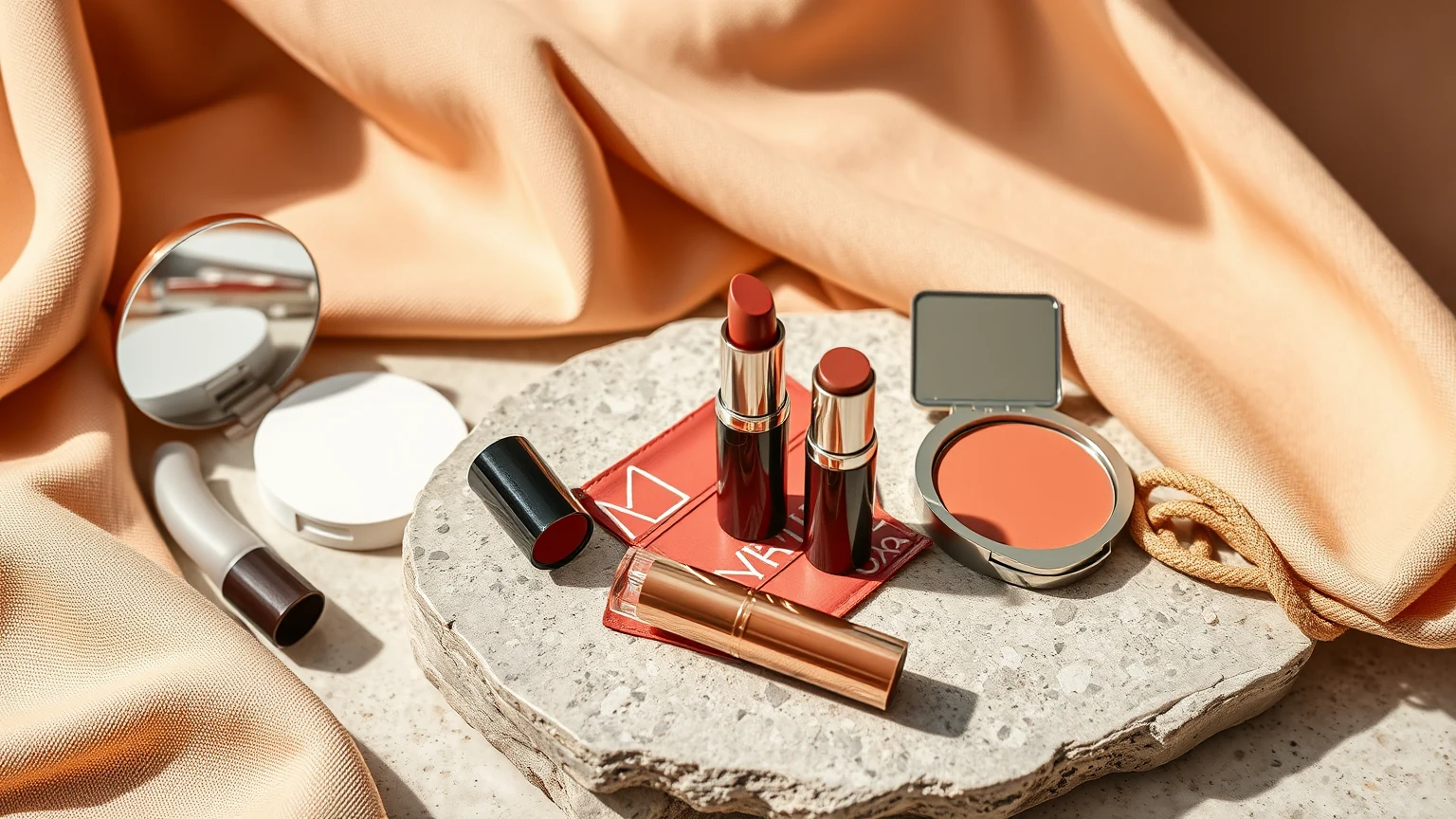
Berry can lean rose, plum, wine, or a muted red-brown. Before choosing a product, choose the direction. Rose-berry feels lighter and clearer; plum introduces cooler depth; wine reads richer; brown-berry feels grounded. Saving one reference in daylight is often more useful than collecting ten mood images that disagree with one another.
Let The Edge Set The Mood
A sharply defined outline gives berry color polish and presence. A softened edge makes the same family feel more relaxed. You can decide between those moods before deciding how much color to wear. That separation—edge first, intensity second—keeps a soft berry lip from becoming either too vague or more dramatic than the moment calls for.
Build Color In Deliberate Passes
Begin with the smallest amount that makes the color legible. Look at it in the light where you will actually wear it, then decide whether the center, the edge, or the overall depth needs more. The goal is not to chase an ideal berry; it is to stop at the version that works with your face, your clothes, and the time you want to spend maintaining it.
Keep The Rest Of The Face Open
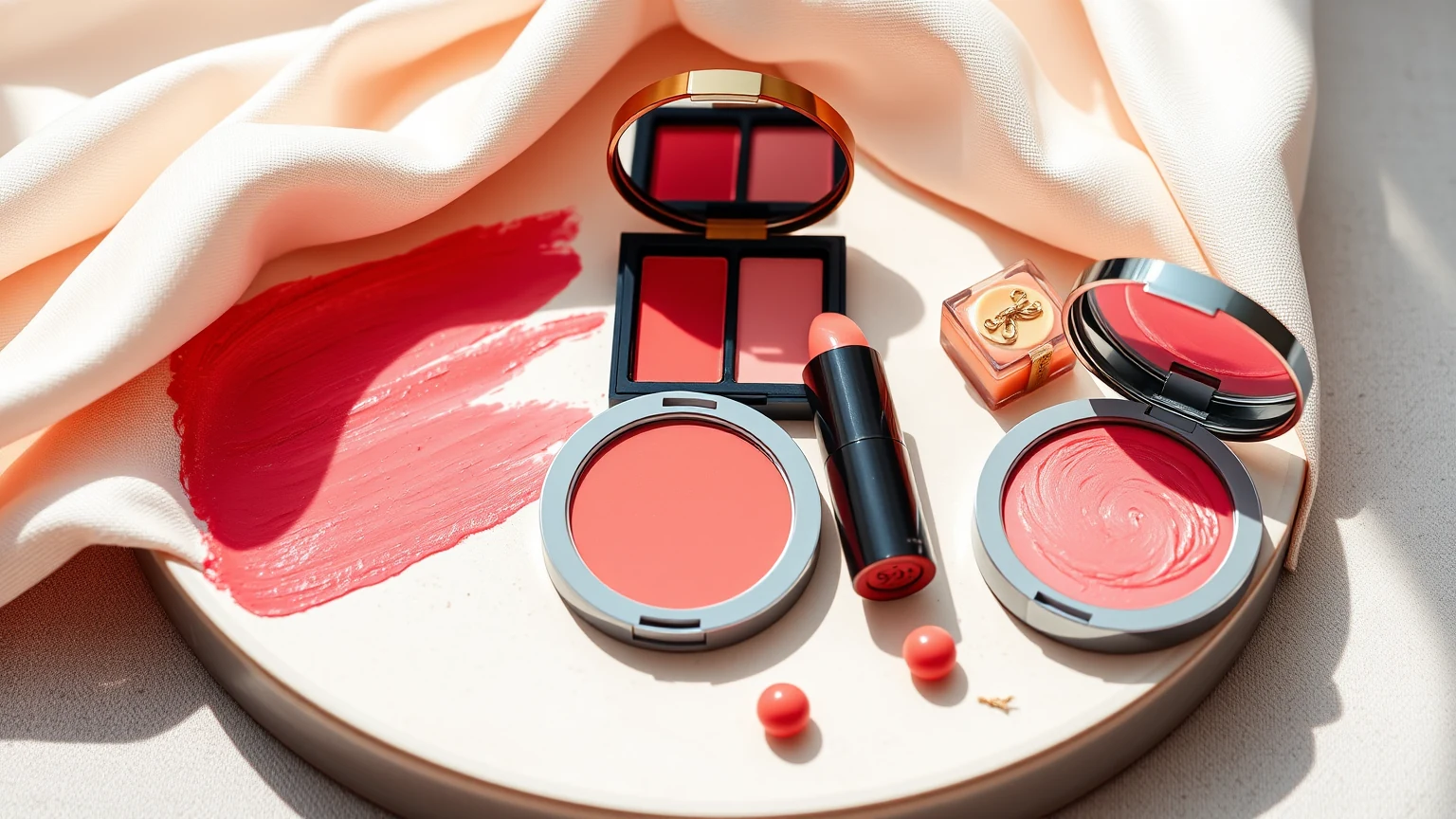
Berry does not require a matching cheek or a neutral eye. Repetition can feel harmonious, contrast can feel graphic, and leaving another color role empty can make the lip more articulate. Coyglow prefers one clear color decision over a full face assembled from automatic pairings. Give the berry room, then add only what improves the composition.
The Coyglow Edit
Choose a berry direction, choose the edge, and choose the depth. Those three decisions create more range than the seasonal label ever could. When a live product offers the right reviewed shade information, compare it there; until then, keep the visual brief. A good color idea remains useful before it becomes a purchase.
About Coyglow Editorial Studio
Coyglow Editorial Studio writes beauty guidance across skin, makeup, nails, routine design, product literacy, creator culture, and community commerce.