Published on September 20, 2024, by Coyglow Editorial Studio — 2 min read
Texture Is Visible Information, Not a Verdict
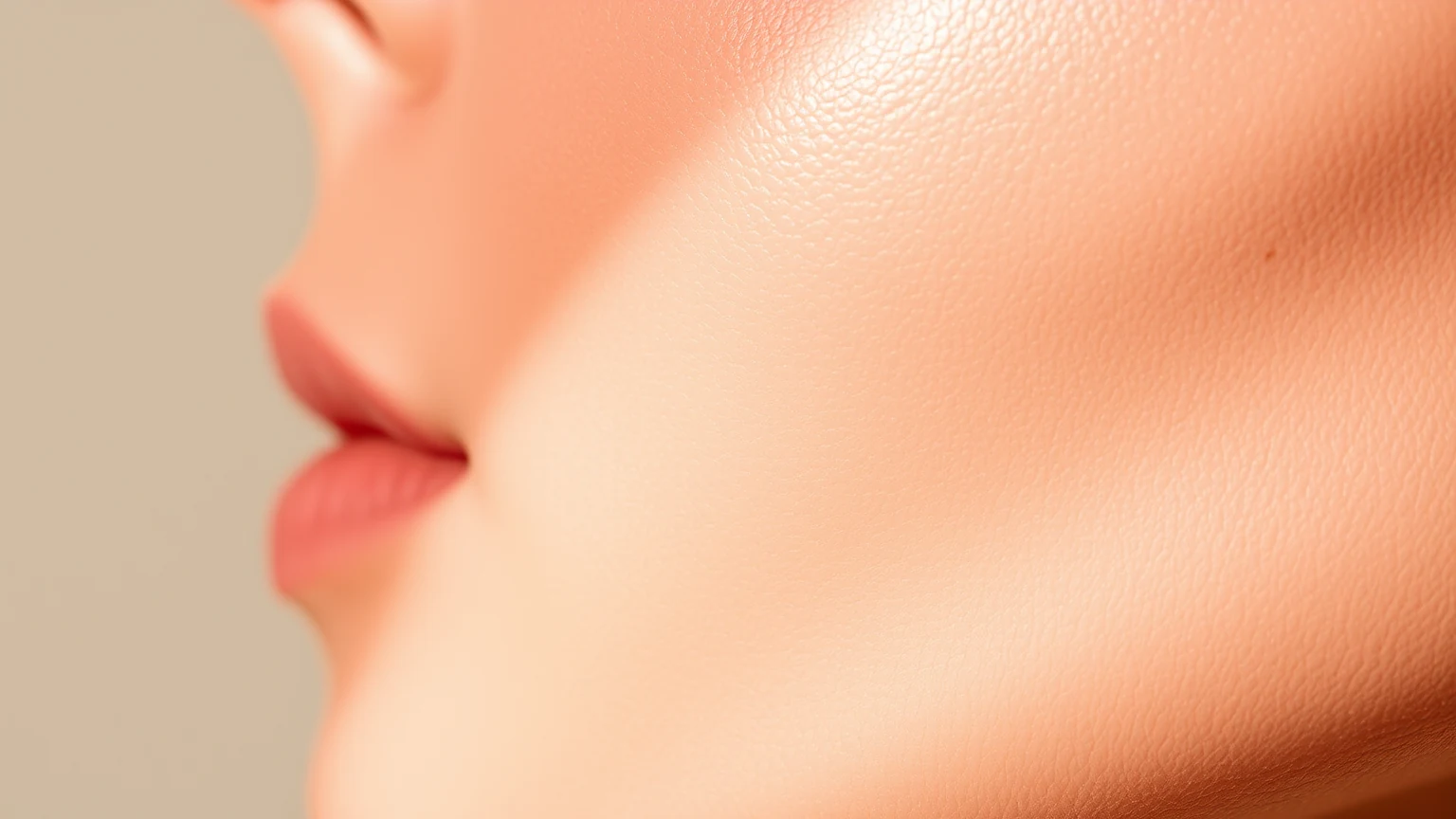
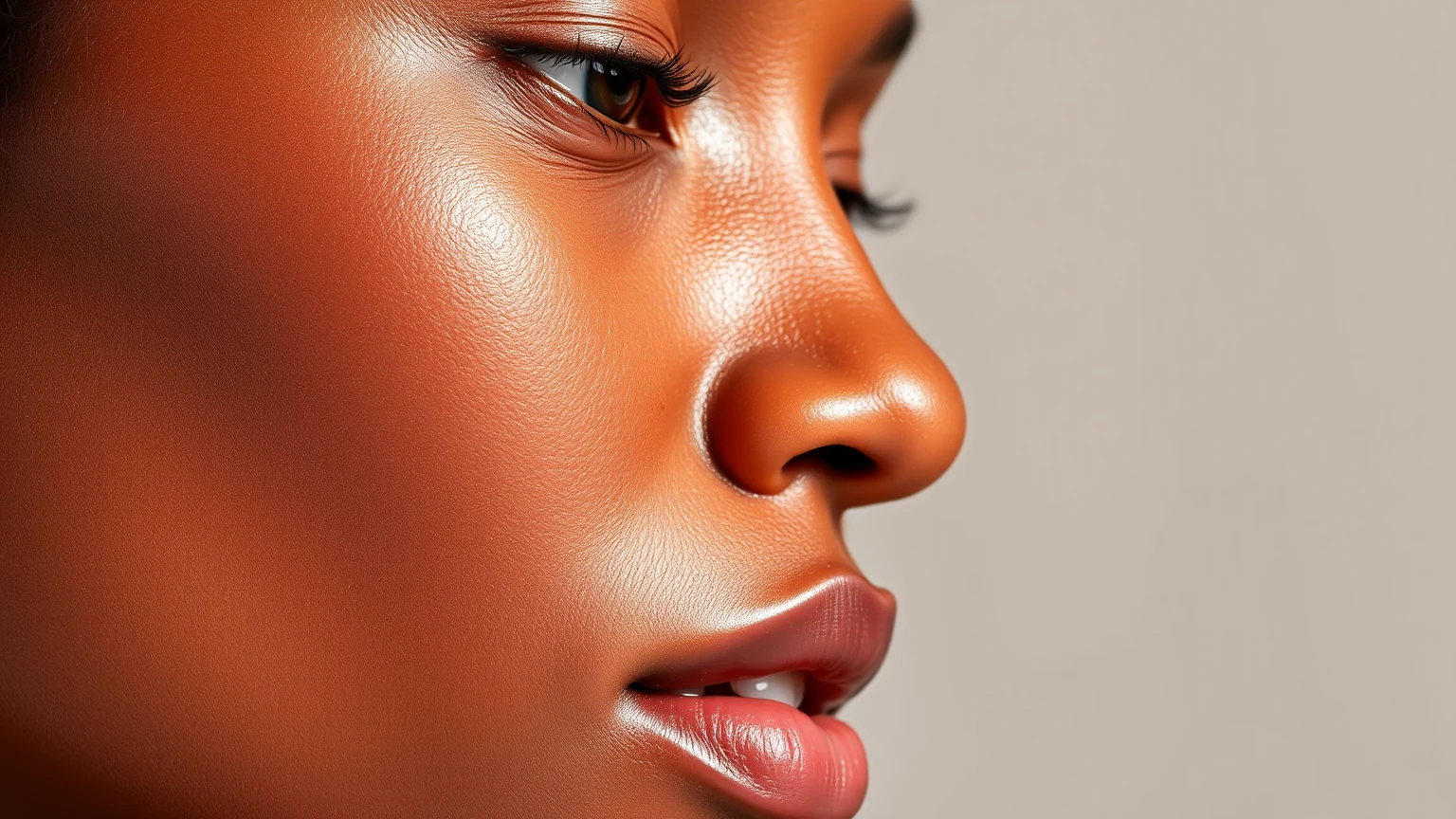
Lines, pores, hair, dry-looking areas, shine, bumps, scars, color variation, and product sitting on the surface can all appear in a close view. Describe what is visible, where, when, and under which light without assigning a hidden cause or deciding that a real face should look poreless, filtered, refined, or corrected.
Distance, Light, and Expression Change the View
A mirror, phone camera, macro lens, side light, flash, daylight, display, smile, and still expression can make the same surface read differently. Name the viewing condition before comparing. A close photograph may support makeup placement or recreation, but it does not define how a person appears at conversation distance or in motion.
Read the Exact Products on the Surface
Record cleansing, leave-on care, sun protection, primer, complexion color, powder, cheek, setting product, tools, amount, order, timing, and removal. Follow each direction and warning. Do not assume a retinoid, exfoliating acid, moisturizer, primer, or powder has one universal effect on visible texture or belongs in every comparison.
Choose a Makeup Finish Instead of Chasing Erasure
Visible texture can coexist with sheer, opaque, luminous, matte, glossy, graphic, or bare-skin looks. Compare eligible amount, tool, edge, reflection, and color under the light that matters. A smoother-looking frame is an aesthetic outcome of that sequence; it does not prove a change beneath the visible surface.
Observe Change Without Inventing a Timeline
Save the exact area, product sequence, light, image settings, environment, time, sensation, and visible observation when useful. Repeat only within directions. One day, two weeks, or any fixed interval is not a universal verdict; the useful comparison window depends on the product information, purpose, and question actually being asked.
Keep a Clear Support Boundary
For a severe, sudden, unusual, persistent, or otherwise concerning experience, pause and seek appropriate qualified support. Otherwise change an eligible product, amount, tool, light, color, or finish; keep the visible texture; or choose no comparison. The aim is informed authorship, not a promise that skin must become visually uniform.
About Coyglow Editorial Studio
The Coyglow Editorial Studio connects skin, makeup, nails, and everyday decision-making with clarity and restraint.