Published on November 8, 2024, by Coyglow Editorial Studio — 2 min read
Visible Pores Are Part of a Face, Not a Failure
Pores can be visible across bare skin, skin care, sun protection, complexion, powder, photography, video, and every age or style. Visibility does not make a face unfinished or establish a concern. Begin with what is visible, the relevant light and distance, current products, desired finish, and whether the wearer wants any change.
Describe the Image Before Explaining It
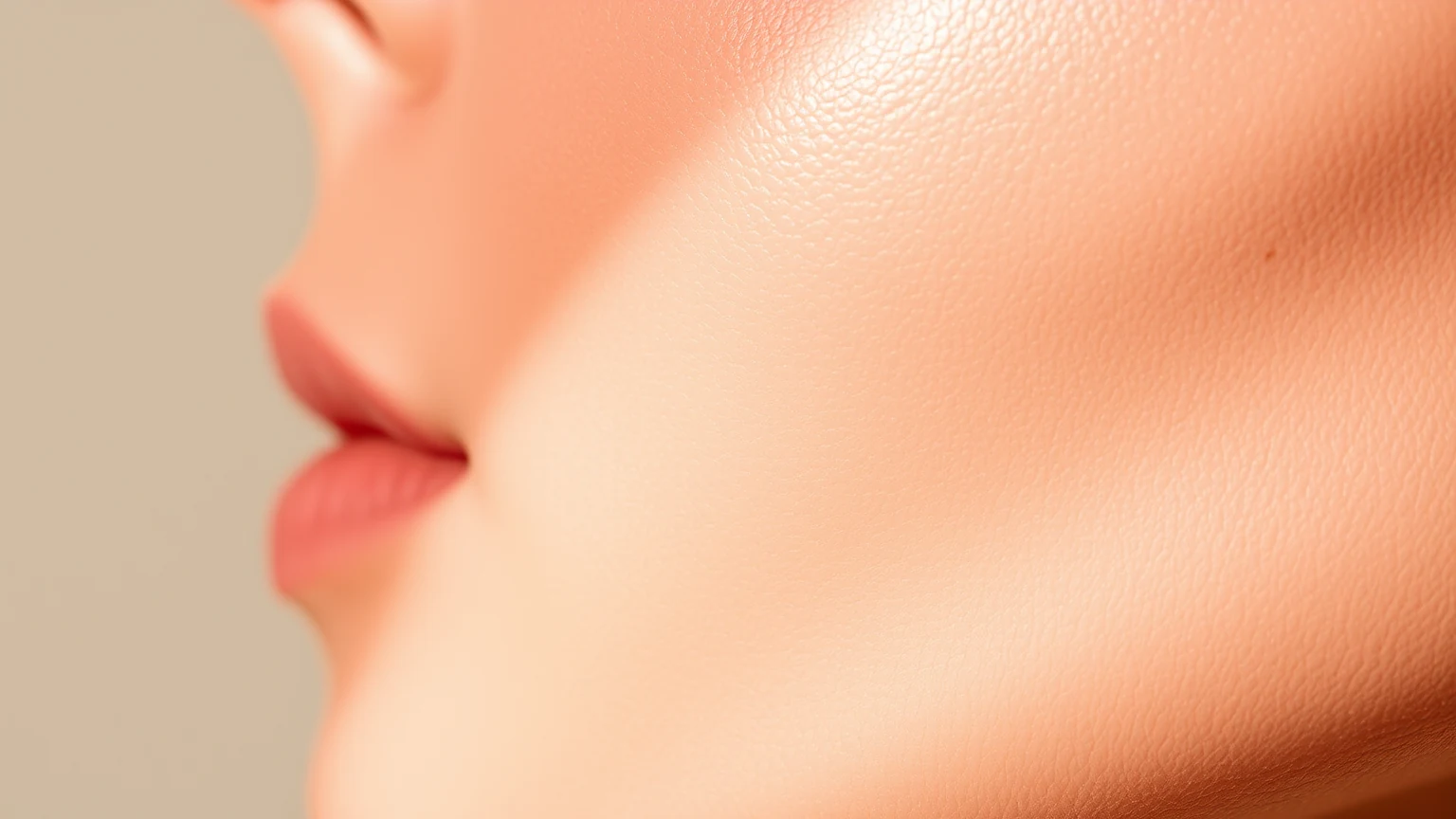
Record area, shape, contrast, shadow, reflection, oil, color, visible texture, expression, movement, camera, lens, focus, resolution, image processing, and time when relevant. These observations do not establish elasticity, blockage, product buildup, cleansing quality, age, or another hidden cause. Keep image description and inference separate.
Do Not Build a Universal Open-and-Close Story
Avoid using pore opening or closing as the explanation for a visible change unless exact qualified evidence supports that narrow statement. Heat, cold, steam, water, cleanser, toner, acids, retinoids, masks, tools, and makeup should not receive automatic pore roles. Read each finished product through its own directions, warnings, and supported claims.
Keep Every Complexion Finish Available
Bare, glossy, luminous, satin, velvet, matte, powdered, full-coverage, sheer, blurred, visibly textured, graphic, and mixed finishes can each be complete. The goal does not have to be poreless or refined skin. Primer, base, concealer, powder, color, light, and tools can compose a chosen image without claiming to change anatomy.
Observe Exact Products and Conditions
If comparing, hold relevant products, amounts, order, tools, light, distance, expression, and image settings steady where practical. Record reflection, color, edge, visible texture, pilling, separation, movement, transfer, sensation, touch-ups, and removal. Keep every observation attached to the tested sequence rather than predicting another product or timeline.
Let the Wearer Decide Whether Change Is Needed
Repeat the look, choose another eligible finish, compare a whole product, change the lighting or image brief, leave texture visible, make no change, or seek appropriate qualified support for severe, sudden, unusual, persistent, or otherwise concerning experiences. A useful pore article expands complexion options instead of turning normal visibility into a defect.
About Coyglow Editorial Studio
The Coyglow Editorial Studio connects skin, makeup, nails, and everyday decision-making with clarity and restraint.