Published on January 5, 2024, by Coyglow Editorial Studio — 2 min read
Begin With What the Camera and Eye See
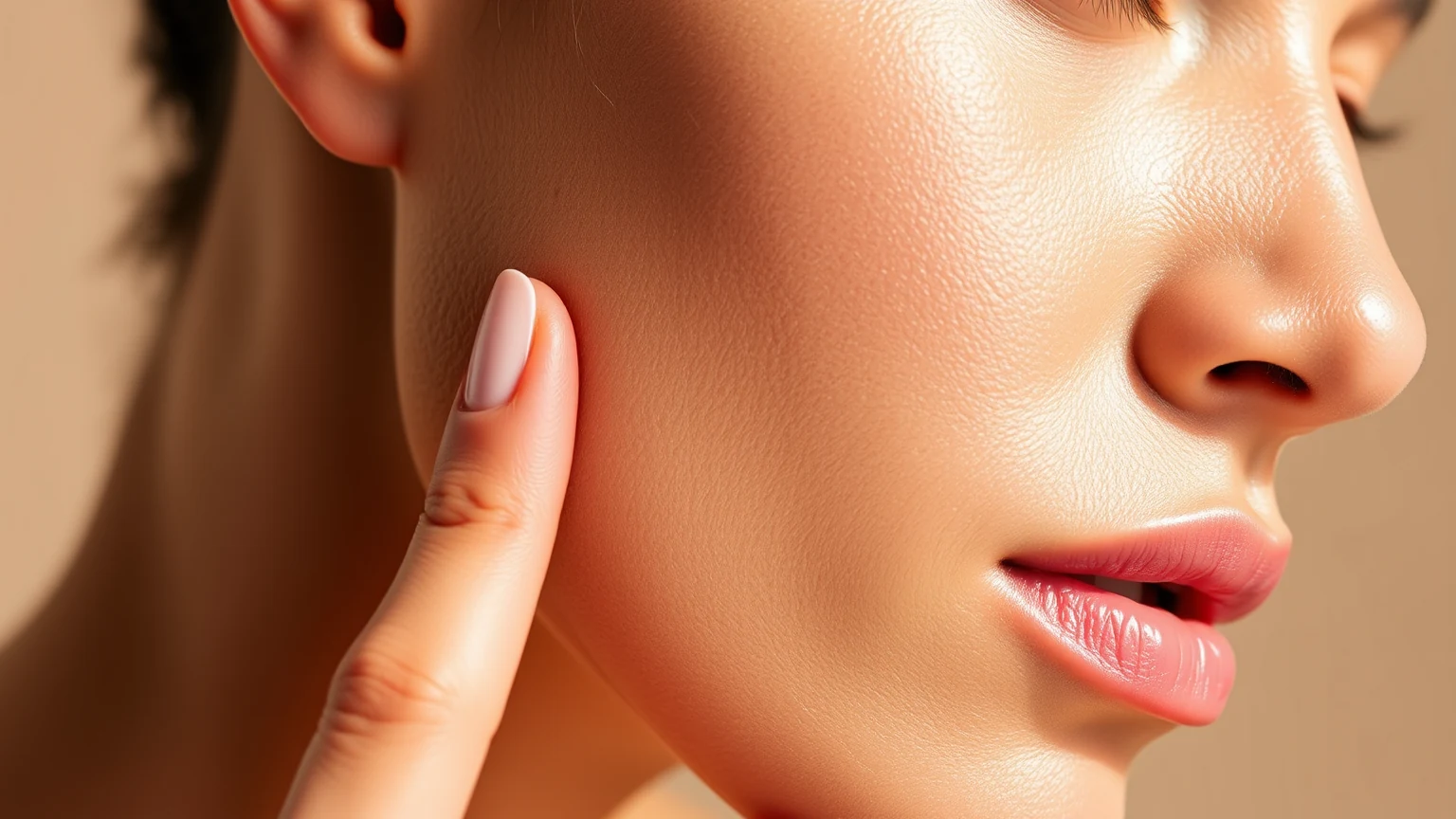
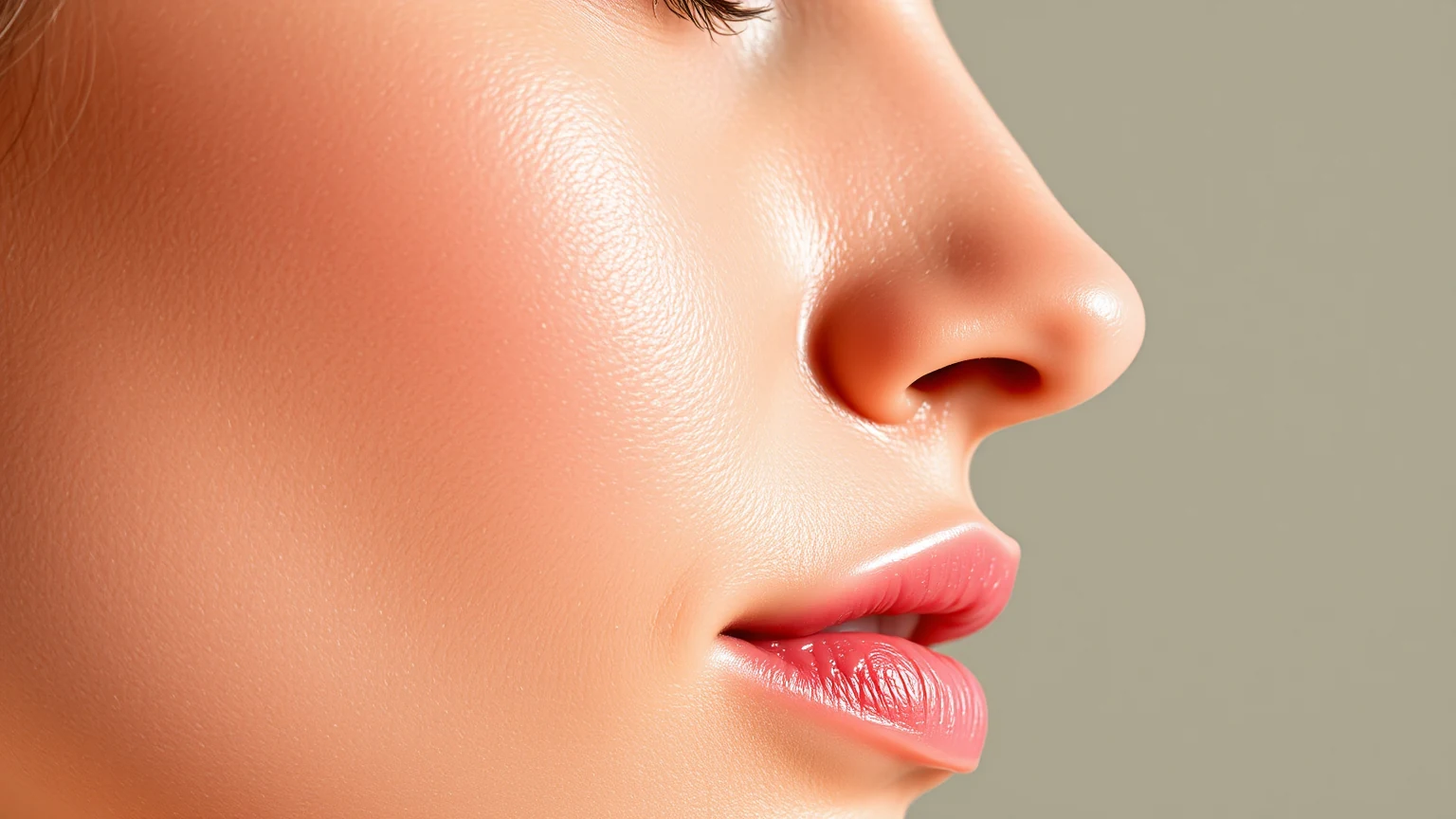
Visible pores can appear as points, shadows, texture, or shifts in reflection across different areas of the face. Record the light, distance, camera, magnification, angle, products, and finish present. These conditions can change visibility without revealing a hidden cause. An editorial image or mirror view is evidence of an appearance in that moment, not a verdict about what the skin is doing underneath.
Reject the Poreless Finish as a Requirement
Skin does not need to look digitally uniform for complexion makeup to be complete. Choose whether the look should reveal texture, soften its contrast, create luminous movement, build a matte field, or vary by area. The target is an intentional finish, not the disappearance of every visible detail. Coyglow keeps real skin available as part of the design rather than treating it as unfinished work.
Read Base Texture and Coverage Separately
A sheer, medium, or fuller-coverage product can sit in dewy, natural, satin, or matte territory depending on the exact formula and application. Coverage changes what remains visible; finish changes how light moves. Neither category predicts the result alone. Verify shade, directions, tool guidance, and claims, then compare placement and amount within those boundaries instead of assigning a universal pore-smoothing product type.
Let Tools Change the Edge
Fingers, brush, sponge, puff, and other directed tools can create different pressure, distribution, and borders. Use only tools appropriate to the exact formula and keep hygiene visible. Work at the scale of the intended look, then step back. Close magnification is useful for application detail; it should not become the only distance at which a face is judged.
Place Powder by Reflection and Movement
Powder can reduce reflection, shift surface texture, set selected color, or remain absent. Map where light and movement matter in the intended setting and choose placement accordingly. Do not use visible pores as an automatic full-face powder instruction. The complexion may combine matte, satin, and luminous areas while keeping texture visible, and that mixed finish can be the designed result.
Save a Complexion Recipe, Not a Correction
Record products, shade, amount, order, tools, placement, light, camera, distance, and the finish that made the whole look work. Repeat that relationship when wanted and change it when the brief changes. Coyglow does not infer hidden reasons or prescribe ingredient categories from visible pores. We help design how real skin, color, coverage, and light belong together.
About Coyglow Editorial Studio
The Coyglow Editorial Studio connects skin, makeup, nails, and everyday decision-making with clarity and restraint.