Published on April 23, 2024, by Coyglow Editorial Studio — 2 min read
Let Lip and Cheek Hold Separate Roles
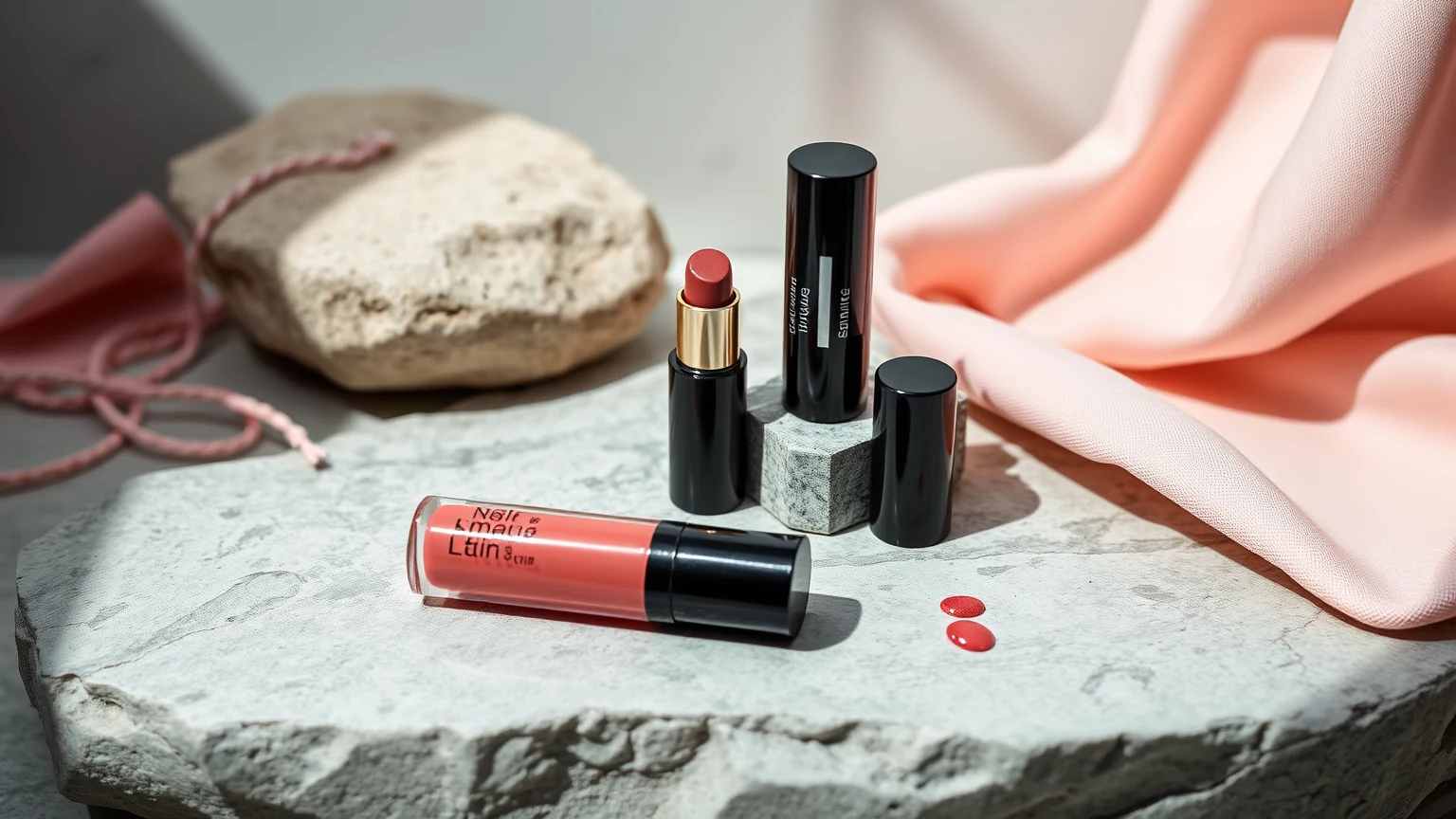
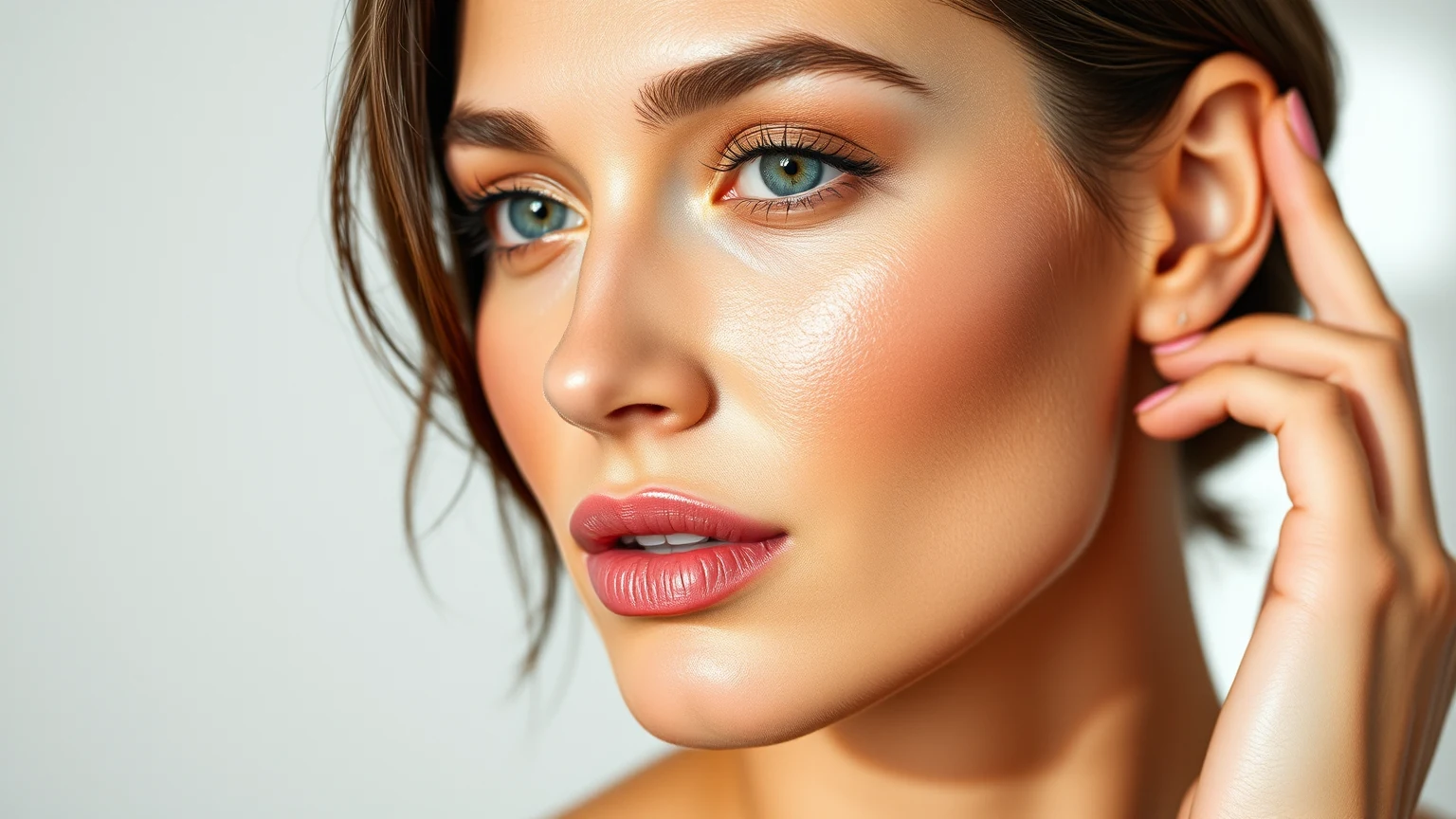
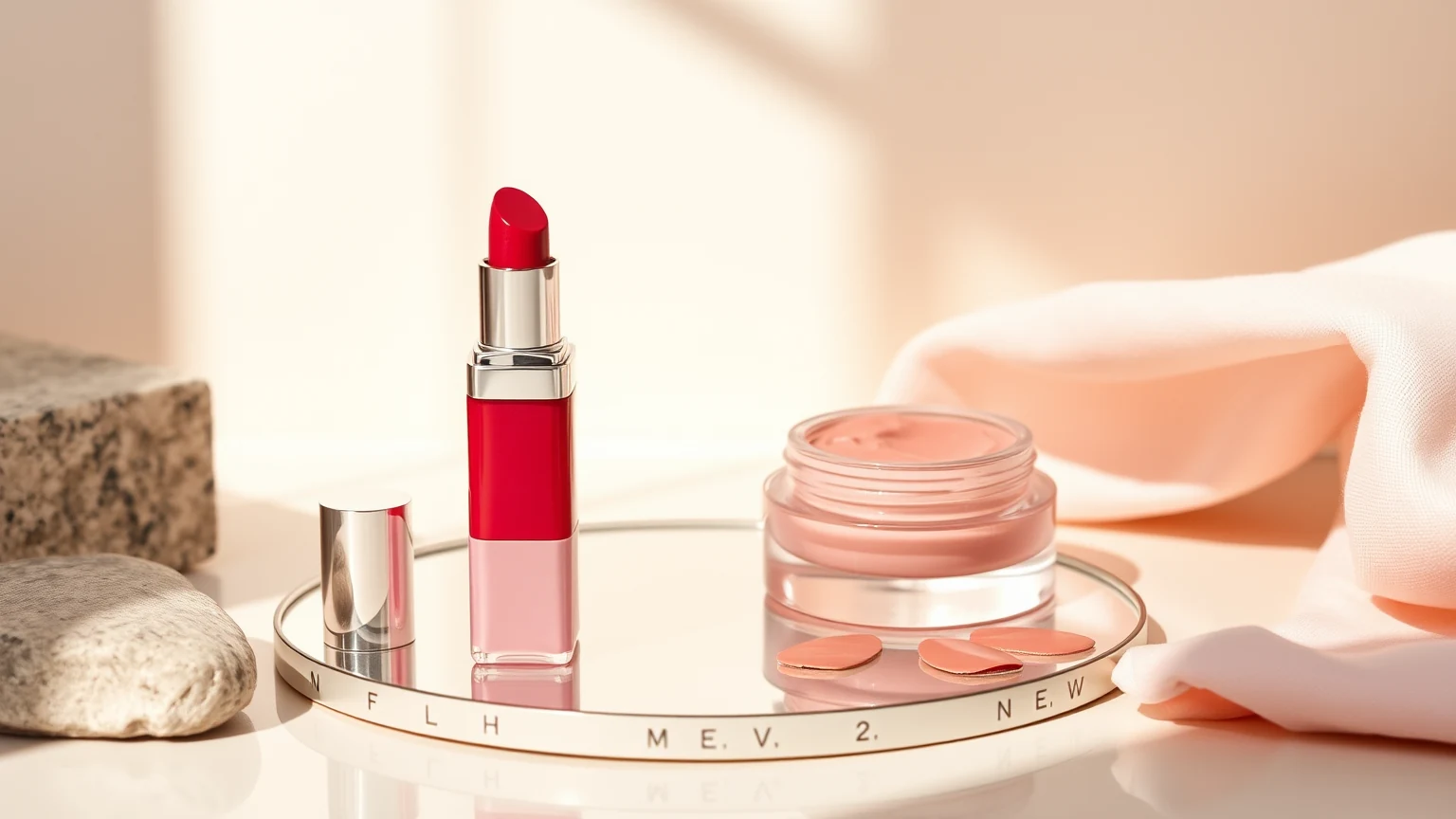
A lip-and-cheek look can create harmony, tension, rhythm, symmetry, or two independent statements. Begin with the desired composition rather than a rule that the colors share one family. One feature may lead, both may compete beautifully, or either may disappear while the other carries the face.
Choose Exact Colors Beyond Their Family Names
Read live shade, depth, undertone, saturation, opacity, finish, formula, and available visual evidence for each product. Rose, berry, coral, brown, red, nude, and pink cover wide territories. A shared label does not ensure a match, and different labels do not prevent a deliberate relationship.
Use Texture to Change the Conversation
A lacquered lip beside a powdery cheek, a blurred lip beside a reflective cheek, two creams, two mattes, shimmer against stain-like color, or mixed textures can shift the entire composition. Follow product directions and observe pickup, spread, build, edges, setting, transfer, and removal before assuming two formats belong together.
Place Color for the Shape You Want
Cheek color can sit high, low, central, broad, narrow, sculptural, or graphic; lip color can be sharply edged, diffused, layered, overdrawn, partial, or used beyond a conventional lip boundary when the product is eligible. Placement changes the relationship as much as shade. No one map is required for cohesion.
Review the Whole Look in Relevant Light
View lip and cheek with the complexion, eyes, brows, hair, clothing, and expected setting. Observe how light, movement, eating, touch, and time affect the exact products, then decide whether to preserve, refresh, intensify, or change the contrast. Cohesion belongs to the wearer’s brief, not to automatic sameness.
Save a Relationship, Not a Mandatory Duo
Record exact shades, products, tools, layers, placement, finish, light, movement, touch-ups, and removal. The next version may keep one color, reverse the focal point, add more cheek shades, use several lip products, or abandon the pairing. Coyglow offers a color conversation without turning it into a fixed set.
About Coyglow Editorial Studio
The Coyglow Editorial Studio connects skin, makeup, nails, and everyday decision-making with clarity and restraint.